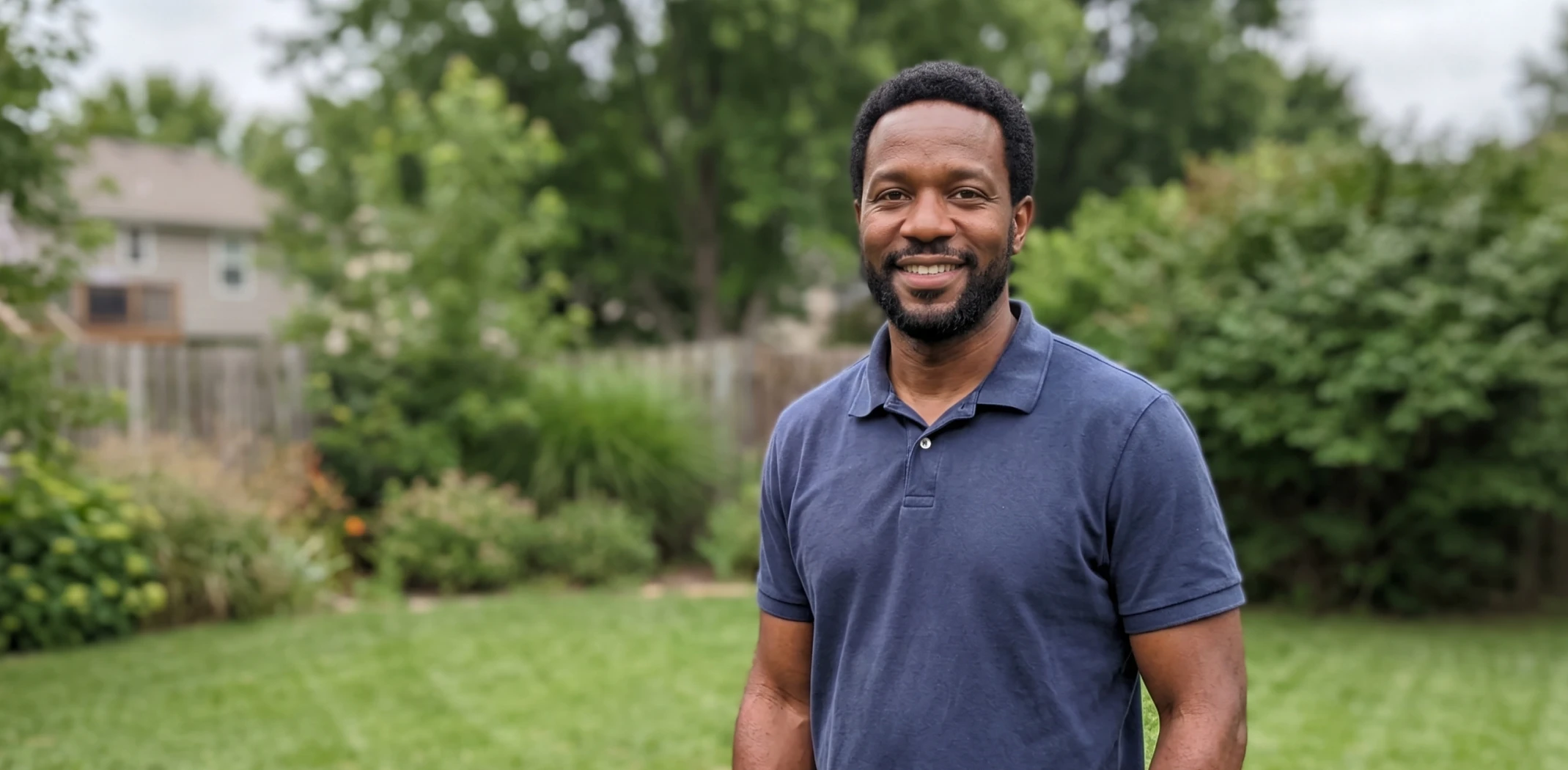
Julian Ortega had edited videos for fun since college – gaming clips, travel montages, a friend’s wedding here and there. At 31, a customer-support rep in Grand Rapids, he had heard “you could charge for this” more times than he could count. Where to begin was the mystery.
Freelancing felt like a club for other people – the ones with a slick portfolio, a registered business, an audience. So the editing stayed a weekend hobby, and every “you should sell this” stayed a compliment he shrugged off.
Then he quit filing freelancing under ‘someday’ and asked something plainer: which single service could my hobby sell, and who would buy it first? Ten minutes with a starter turned “maybe” into a first paid edit.
Why “you should sell this” seldom becomes income
Between a hobby skill and a paying client sit three small things almost no one sets up: one clear offer, a real price, and a first client willing to say yes. Skip them and “you should freelance” never leaves the group chat. The answer is not more talent – it is turning what you already do into something buyable.
Julian did not need a year-long course. He needed his hobby shaped into one sellable service, priced right, with a first client to win this month.
The ten minutes that made it sellable
Rather than fall down another ‘how to freelance’ rabbit hole, Julian answered a few questions in the Hobby to Freelance Income Starter. It shaped his editing into one clear offer, set a real beginner rate, and gave him a first-client plan he could run that week.

What Julian got back · in about 10 minutes
One clear service built from his hobby skill, written in a sentence a client can say yes to.
Real rate ranges for the work, so a first client never meant undercharging.
Where to find them, a warm-pitch script, and a five-try rule so he actually sent it.
Scope and deposit basics, content-mill and scam red flags, and the side-income tax basics.
It did not push him to build a brand or leave his job. It turned a weekend hobby into something a real client could buy – at a price that respected the skill.
From hobby to first client, step by step
Step 1 · Name the service – the one thing people already ask you for, written as a paid offer.
Step 2 · Price it – a real beginner rate for the work, not “whatever feels okay.”
Step 3 · Land client #1 – five warm contacts, one clear pitch, sent today.
Step 4 · Keep it small – a couple of evenings, a deposit up front; raise the rate before the hours.
The same editing he had done free for years – but now a priced service with a client attached, run on a couple of evenings, without disrupting his job.
Why gifted hobbyists stay unpaid
The barrier is rarely ability – it is the sense that you must feel ‘ready’ or that asking to be paid is cheeky. So skilled people keep giving it away. Naming one offer, fixing one price, and pitching five warm contacts skips the waiting and produces an actual paying client.
Here is what Julian relied on – and what he left alone.
- One clear offer from your hobby
- A real beginner rate
- Warm contacts first
- A deposit up front
- “I’ll freelance everything”
- Racing to the bottom on price
- $5 gig mills
- Waiting until you feel “ready”
The order matters: name the service, price it, land client #1, then keep it small.

The cost, next to the usual options
Julian had scrolled free videos and eyed a pricey course. Here is how the choices stack up.
| Approach | Cost | Turns your hobby into a paid offer? | Time |
|---|---|---|---|
| Post on a $5 gig marketplace | Free to join | No – a race to the bottom | Ongoing |
| Free “how to freelance” videos | Free | No – advice, no offer or price | Ongoing |
| A full freelancing course | $50–500 | Sometimes – often generic and pricey | Weeks |
| Hobby to Freelance Income Starter | $10 | Yes – offer, pricing, first client | About 10 minutes |
“If my hobby were sellable, someone would already be paying me.” People pay for a clear offer at a clear price – not for a hobby they do not realise they can hire. Income depends on your skill, effort and market and is not guaranteed; avoid anything promising easy money or charging you to “join.” This is educational guidance, not a promise of income.
Two more who got their first client

“I had written newsletters for fun for years and assumed no one would pay. One clear offer and a real price later, I landed my first paying client within a month, straight from my hobby.”
Lena P. · freelance copywriter (former retail lead), Omaha NE

“I built spreadsheets for fun; the plan turned that into a service with an actual price. Two regular clients now, on weeknights, and I finally stopped undercharging.”
Reuben O. · spreadsheet & automation freelancer, Tampa FL
Julian still works his day job – the difference is that his weekend hobby now brings in real money, one client at a time. Once your first skill is paying, packaging the next is easier: the Skill-to-Freelance Converter helps you turn another skill into a freelance offer. Results vary, and no income is guaranteed.
*Individual results may vary. Freelance income depends on your skill, effort and market; this is educational guidance, not a guarantee of income.