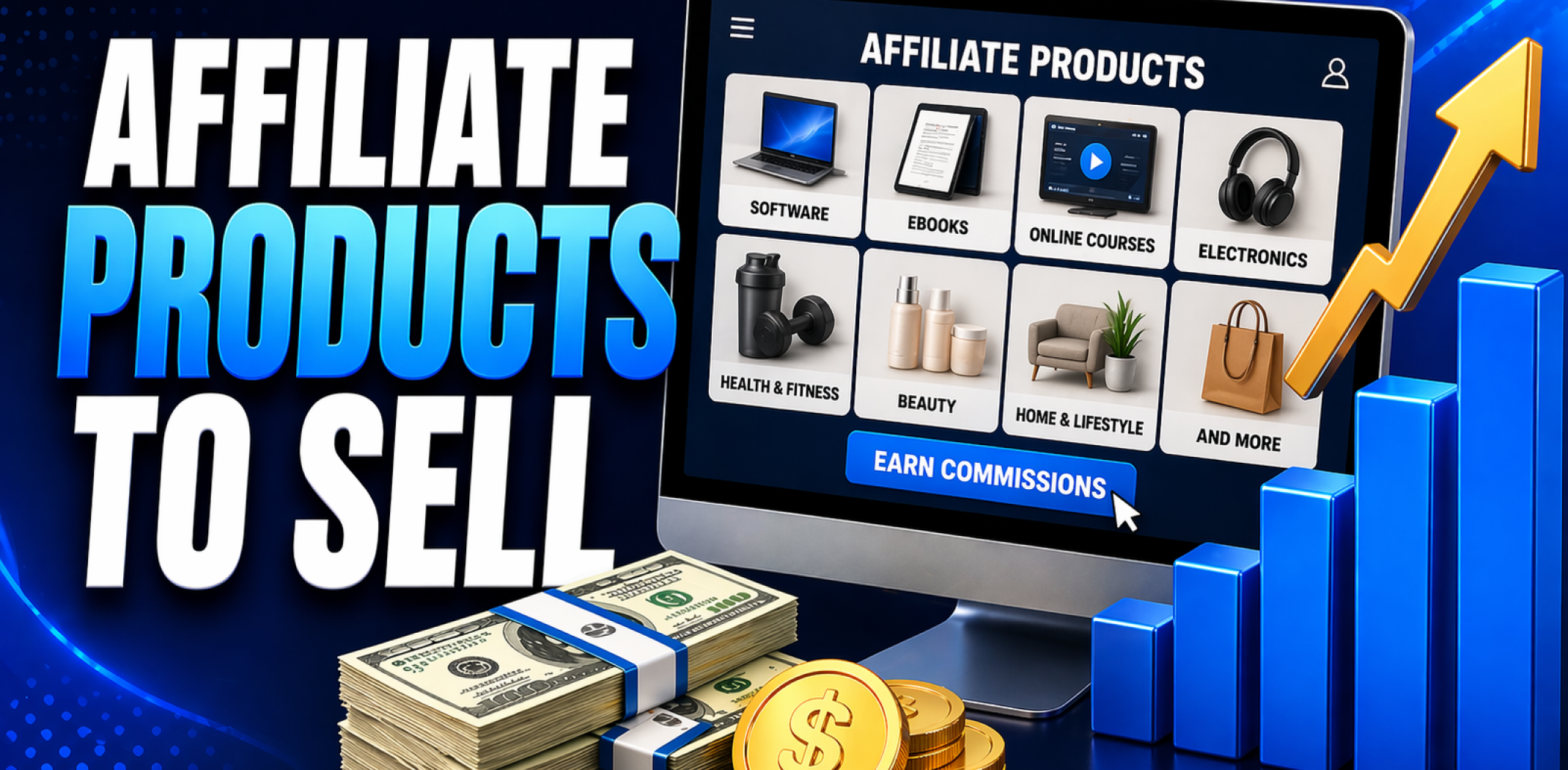
Affiliate marketing pulls in over $17 billion a year globally – and a huge chunk of that comes down to one decision: what you choose to promote. Pick the wrong products and you grind for months with almost nothing to show for it. Pick the right ones and a single niche site or social channel can earn you a steady $50–$200 a day in commissions.
So what are the best affiliate products to sell in 2026? This guide breaks down the top categories by commission potential, competition level, and ease of entry – so you can stop guessing and start promoting products that actually convert.
Quick Answer: The best affiliate products to sell are digital products, software tools, health and wellness items, and high-ticket physical goods. These categories offer the highest commissions, recurring revenue potential, and the strongest demand in 2026.
Before diving into specific categories, it helps to understand what separates a great affiliate product from a mediocre one. Commission rate matters, but it is not the only factor. Conversion rate, average order value, cookie duration, and recurring billing all play a role in how much you actually earn per referral. Keep that in mind as you browse the categories below.
Most people who find this article are looking for a real way to earn money online – not a complicated ecommerce lesson. Whether you are promoting affiliate products or building your own store, the goal is the same: more income, more freedom, and less financial stress. This guide gives you both the affiliate roadmap and a look at what else is working in 2026.
What are affiliate products to sell?
Affiliate products are goods or services you promote on behalf of another company. When someone clicks your unique referral link and makes a purchase, you earn a commission – typically between 5% and 50% of the sale price, depending on the product type. You never handle inventory, deal with customer service, or process payments. Your job is to drive traffic and influence buying decisions.
In 2026, affiliate marketing sits at the intersection of content creation, SEO, and ecommerce. It works through blog posts, YouTube reviews, email newsletters, social media, and paid ads. The model is popular because the startup costs are low – most affiliate programs are free to join – and the income can scale once you build an audience or a well-ranked content asset.
The key distinction between affiliate products worth promoting and those that are not comes down to three things: does the product solve a real problem, does the brand convert well, and does the commission structure reward your effort fairly? A 50% commission on a $9 product is less valuable than a 10% commission on a $500 product – simple math that a lot of beginners overlook.
How much can you realistically earn from affiliate products?
Affiliate income varies enormously depending on what you promote, how you promote it, and how much traffic you can generate. Here is an honest breakdown across the main product categories:
These figures assume a part-time content effort of around 10–20 hours per week. Most new affiliates take 60–90 days to see their first meaningful commissions, and reaching $1,000/month consistently typically requires 6–12 months of focused effort.
One note on ceiling figures: The top-end numbers above reflect experienced affiliates with established audiences or high-ranking content. If you are starting from zero, budget 3–6 months to build the traffic that makes those numbers realistic. Full-time effort compresses that timeline – part-time effort extends it.
With that context in place, here are the affiliate product categories worth your attention in 2026 – along with what makes each one work and how to get started in each.
Best affiliate products to sell by category
Not every niche is equal. Some categories pay poorly but convert easily. Others pay extremely well but require an audience that trusts you deeply. The categories below are ranked roughly by overall opportunity – balancing commission rates, demand, and how accessible they are at different experience levels.
Digital products and online courses
Digital products are among the best affiliate products to promote for one simple reason: the margins are enormous. There are no manufacturing costs and no logistics headaches – so brands can afford to pay affiliates 30%–50% per sale. An online course priced at $200 with a 40% commission pays you $80 per referral. Refer 50 students a month and you are looking at $4,000 – from a single product.
Online courses and educational platforms
Platforms like Teachable, Thinkific, and individual course creators run affiliate programs paying 20%–50% per sale. Udemy pays around 15%, but the sheer volume of purchases makes it a reliable converter. Skillshare pays a flat fee per trial sign-up. If you have an audience interested in learning any skill – coding, design, marketing, languages – course affiliate products are a natural fit.
Earning potential: $200–$4,000/month depending on niche depth and traffic volume.
eBooks and digital guides
Self-published eBooks on platforms like Gumroad or Payhip often carry 40%–50% affiliate commissions. Price points are lower – typically $15–$50 – but conversion rates are high because the purchase decision is easy. If you run a niche blog, recommending a tightly relevant eBook can generate consistent income without hard selling. Look for products with strong review histories and creators who actively update their content.
Earning potential: $100–$800/month as a supplementary stream alongside other affiliate products.
Membership sites and communities
Membership site affiliates are underrated. When you refer someone to a paid community or subscription resource, you often earn a recurring commission every month they stay subscribed – not just on the first payment. Platforms like Patreon and niche membership communities pay ongoing commissions in the 20%–30% range. One referred member at $50/month with a 25% commission earns you $12.50 every month that person stays – compounding quietly in the background.
Why this works in 2026: Strong, well-run memberships retain members for 12–24 months on average, making the lifetime value of each referral significantly higher than a one-time sale.
SaaS and software tools
Software affiliate programs are consistently among the highest-paying in the industry. SaaS companies operate on high margins and long customer lifetimes – so they can afford to be generous with affiliates. Many pay 20%–40% recurring commissions for the life of the customer, meaning a single referral can pay you for years.
Email marketing platforms
Tools like ConvertKit, ActiveCampaign, and GetResponse all run affiliate programs with recurring commissions. ConvertKit pays 30% recurring for 24 months per referral. If you refer a customer on a $99/month plan, that is roughly $30/month for two years – around $720 from one referral. Email marketing tools are perennial best sellers because every business needs them, and switching costs are high once a user is set up.
Earning potential: $300–$2,500/month with a content strategy targeting small business owners or creators.
Website builders and hosting
Hosting affiliate programs are among the most competitive and most lucrative in the industry. Bluehost, SiteGround, and Kinsta pay flat-fee commissions ranging from $65 to $150+ per referred customer. WP Engine pays up to $200 per sale. The audience is huge – anyone starting a website or online business is a potential buyer. The downside is heavy competition, so differentiation through honest, detailed reviews matters a lot.
Earning potential: $500–$3,000/month with SEO-focused comparison content.
Marketing and productivity tools
Tools like SEMrush, Ahrefs, ClickFunnels, and Canva Pro all have strong affiliate programs. SEMrush pays $200 per new subscription sale. ClickFunnels has historically paid 40% recurring. These tools appeal to marketers, entrepreneurs, and small business owners – audiences that convert well on tutorials, comparisons, and case studies. If you already use these tools yourself, authentic reviews are your biggest asset.
Earning potential: $400–$3,000/month with a marketing-focused blog or YouTube channel.
Health, wellness, and fitness products
Health is one of the most searched and most purchased verticals online. People buy supplements, fitness equipment, meal plans, workout programs, and wellness tools constantly – and they research heavily before purchasing. That research phase is exactly where affiliate content wins.
Supplements and nutrition products
Supplement brands like Athletic Greens (AG1), Thorne, and Legion Athletics run affiliate programs paying 10%–30% per sale. AG1 pays $18–$25 per trial referral. At $79+ per unit, a 15% commission yields around $12 per sale. With the right health and fitness content drawing consistent search traffic, supplement affiliate income compounds quickly. The key is promoting products you genuinely believe in – this category is saturated with low-quality promotions, and authentic recommendations convert far better.
Earning potential: $200–$1,500/month with a health-focused content channel and consistent traffic.
Fitness equipment and gear
Home gym equipment saw a permanent demand shift after 2020 and has stayed elevated. Brands like Rogue Fitness, TRX, and Bowflex offer affiliate programs with commissions ranging from 3%–10%. The order values are high – a single treadmill or squat rack referral can earn $50–$150 in commission. YouTube review channels and comparison blogs in this niche tend to rank well and earn consistently because buyers do a lot of research before committing to a $500+ purchase.
Earning potential: $300–$2,000/month with video content or SEO-driven comparison articles.
Wellness apps and mental health platforms
Apps like Calm, Headspace, Noom, and BetterHelp all run affiliate or partner programs. BetterHelp pays around $100–$150 per paying referral. Headspace pays a flat fee per app download or trial activation. The wellness category is sensitive territory – frame mental health products carefully – but it is one of the fastest-growing segments in consumer spending, and demand for credible content is high.
Earning potential: $200–$1,200/month with a mental wellness or lifestyle audience.
High-ticket physical products
High-ticket affiliate products are any physical items priced above $500, where even a low commission percentage translates into a meaningful payout per sale. The strategy is different here – you need fewer conversions to hit your income targets, but you need highly qualified traffic from buyers who are already close to a purchase decision.
Furniture and home goods
Brands like Saatva (luxury mattresses), Cove (smart home security), and Article (modern furniture) run affiliate programs paying 5%–15%. A Saatva mattress retails from $1,295 – a 7% commission is $90 per sale. Home goods content works well through interior design blogs, YouTube room tours, and Pinterest. Content that nurtures buying intent – “best mattress for side sleepers,” product reviews – performs better than generic traffic.
Earning potential: $300–$2,500/month with a design or home lifestyle content strategy.
Tech and electronics
Consumer electronics is one of the highest-revenue affiliate categories, despite Amazon Associates’ low 1%–4% commission rates. For higher payouts, look at direct brand programs – companies like DJI, GoPro, and Bose run their own affiliate schemes paying 5%–10%. A $400 DJI drone at 8% earns $32 per referral. The category is competitive but evergreen – new product launches create regular ranking opportunities.
Earning potential: $200–$1,500/month through review content and comparison articles targeting buyer-intent keywords.
Outdoor and adventure gear
REI, Backcountry, and Moosejaw all have affiliate programs paying 5%–10%. The outdoor niche benefits from a passionate, research-driven audience that trusts content recommendations heavily. A single tent or kayak referral at 7% commission on a $600 item earns $42. Build content around “best gear for X” and product reviews targeting hikers, campers, and cyclists and you have a reliable long-term affiliate income stream.
Earning potential: $200–$1,200/month with a dedicated outdoor or adventure content channel.
Finance and fintech products
Financial affiliate products pay some of the highest flat-fee commissions in any category. Credit cards, investment platforms, insurance comparison tools, and personal finance apps all pay $50–$200+ per qualified lead or approved application. The tradeoff is that finance content is subject to stricter compliance requirements – your content needs to be accurate, balanced, and properly disclosed.
Credit cards and banking apps
Credit card affiliate programs through networks like CJ Affiliate and Impact pay $50–$150 per approved application. Neobanks like Chime, Revolut, and Cash App have referral programs paying flat fees per funded account. Finance content targeting keywords like “best credit card for travel rewards” or “best high-yield savings account 2026” attracts buyers with high commercial intent. Conversion rates are strong because visitors are actively comparing before they commit.
Earning potential: $400–$3,000/month with a personal finance blog or YouTube channel reaching a US-based adult audience.
Investment and trading platforms
Platforms like eToro, Webull, and Public run affiliate programs paying per funded account – typically $50–$100 per referral. The investing audience is highly engaged and values detailed, credible content over promotional fluff. Comparison content between brokerages and explainer articles on investment strategies attract exactly the right audience for these programs.
Important: Always include appropriate disclaimers when promoting investment products – most affiliate agreements require this, and it protects your credibility.
Earning potential: $300–$2,000/month with a finance-focused content operation generating consistent organic traffic.
Affiliate products to sell: category comparison at a glance
Here is a side-by-side comparison of the main affiliate product categories to help you decide where to focus your energy first:
No category is objectively the best. The right one depends on your existing audience, content strengths, and how much time you can invest upfront. A YouTube channel covering tech gear naturally fits the electronics and software categories. A wellness blogger belongs in health and supplements. Align the product category with where you already have – or can realistically build – an audience.
How to find and evaluate affiliate products to sell
Knowing the categories is only half the job. The other half is identifying specific programs worth joining and vetting them properly before you build content around them.
Use affiliate networks as a starting point
Networks like ShareASale, CJ Affiliate, Impact, and PartnerStack aggregate thousands of programs across every category. You can filter by commission rate, cookie duration, and average earnings per click (EPC). EPC is especially useful – it tells you how much other affiliates are earning per 100 clicks to that program, giving you a realistic benchmark before you invest time creating content.
Check commission structure and cookie duration carefully
A 30% commission sounds great until you realize the cookie lasts only 24 hours. If your audience needs a week to make a purchase decision – which is common for high-ticket items – a short cookie window means you lose credit for most of the sales you influence. Look for programs offering at least 30-day cookies. Recurring commission programs are worth special attention: a 25% recurring commission on a $50/month subscription beats a 40% one-time commission on a $30 product in almost every scenario.
Research the brand before promoting
Promoting a product with a poor reputation damages your credibility more than it earns you in commissions. Before joining any program, check Trustpilot, Reddit, and Google reviews. Look for patterns: consistent complaints about billing, customer service, or product quality are red flags. A high commission rate is worthless if the brand has a sky-high refund rate. Your audience trusts you to filter out bad products – that trust is your most valuable long-term asset.
Prioritize products you actually use or understand
The most consistently effective affiliate marketers promote products they have personal experience with. Authentic reviews and honest assessments of limitations convert better than polished promotional copy. If you use a project management tool daily, your review of it carries weight that a research-based article never can. Where personal experience is not possible, go deeper than competitors – more data, more comparisons, more real user quotes from forums and community threads.
Check for exclusivity conflicts and program terms
Some brands prohibit affiliates from promoting direct competitors in the same content. Others restrict certain paid advertising methods. Read the program terms before building content. Getting banned from a program after you have invested months building traffic to it is a painful and avoidable mistake. Pay particular attention to disclosure requirements – the FTC requires clear affiliate disclosure in the US, and most major platforms enforce this independently.
Legal and ethical considerations for affiliate marketers
Affiliate marketing has a real reputation problem in some corners of the internet – and that reputation was earned by a subset of affiliates who cut corners. The good news is that operating ethically is not just the right thing to do – it is also the more profitable long-term strategy.
What to avoid absolutely
Do not write fake reviews, invent user testimonials, or exaggerate product capabilities to boost conversions. Do not use misleading headlines that imply a product is free when it is not, or hide affiliate disclosure in unreadable fine print. Do not stuff content with affiliate links in ways that prioritize commission over user experience. These tactics might boost short-term clicks but they erode trust, attract FTC scrutiny, and get your content penalized by search algorithm updates.
Key principle: Affiliate disclosure is not optional – it is legally required in the US, UK, EU, and most other major markets. Always disclose clearly at the top of any content containing affiliate links.
What to do instead
Focus on genuine helpfulness. Your job is to match the right buyer to the right product – not to sell indiscriminately. Content that honestly compares options, flags real limitations, and gives negative points equal space alongside positives builds the kind of trust that compounds over time. Users who trust your recommendations return, share your content, and convert at higher rates on future recommendations. One honest review that earns consistent commissions for two years is worth more than ten manipulative posts that spike briefly and disappear.
Which affiliate products should you sell? A guide by profile
The best affiliate products to sell depend heavily on where you are in your journey. Here is a practical breakdown by experience level.
Complete beginner
If you are just starting out, begin with a niche you genuinely know something about and find programs with clear terms, reliable payouts, and good affiliate support. Digital products and software tools are ideal first choices – the commission rates are high, the products require no logistics, and the affiliate dashboards are typically beginner-friendly. Amazon Associates is often recommended as a starting point because of the sheer range of products, but the commission rates are low and the program has made repeated cuts in recent years. Use it for volume, not as your primary income source.
Intermediate / part-time
If you already have some content and traffic but want to scale, focus on recurring commission programs and high-ticket products. At this stage, diversifying across two or three categories – for example, software tools and health products – gives you resilience against program changes or niche traffic fluctuations. Start building an email list if you have not already. Email subscribers convert at significantly higher rates than cold organic traffic, and they give you a direct channel that is not dependent on search algorithm updates.
Advanced / full-time goal
At the advanced level, the biggest lever is building content assets that compound. High-ticket product reviews, comprehensive category comparison articles, and email sequences targeting buyers at different stages of the decision cycle all generate long-term income. Finance and software are the highest-ceiling categories at this level – experienced affiliates in these niches regularly earn $5,000–$20,000/month. The investment is proportional: these niches require deeper expertise, more rigorous content, and often some paid traffic budget to accelerate rankings.
Pro tip: the affiliates earning the most in 2026 are not those promoting the most products – they are the ones who go deep on a single niche, build genuine authority, and leverage one strong content asset across multiple promotion channels.
Already earning but looking for more
If affiliate income is already part of your revenue mix and you want to grow further, the logical next step is adding a complementary income stream you own outright. Affiliate income is inherently dependent on third-party programs that can change their terms, cut commissions, or close entirely. Diversifying into your own online store – where you control the margins and the customer relationship – gives you a more stable financial foundation alongside your affiliate activities. The two models are not competitors; they are natural complements for anyone serious about building long-term online income.
Why Sellvia is a game-changer for your online store 🚀
Sellvia isn’t just another ecommerce tool. We are a trusted name in the industry, recognized by Forbes and even ranked in Inc.’s list of the 5,000 fastest-growing companies in the U.S. So if you’re serious about starting as a solopreneur, this is a smart place to begin.
Starting an online business can feel overwhelming, but that’s exactly where Sellvia steps in. It takes care of the tricky parts, so you can focus on making sales and growing your brand. Let’s break down what makes it such a great choice.
Get a ready-to-go store hassle-free 🎯
Want to start selling but don’t know where to begin? No worries! Just share your ideas, and Sellvia’s team will build a free ecommerce website that’s fully set up and ready to take orders from day one. No coding, no stress – just a store that works right out of the box.
A $100 welcome gift to grow your business faster 🎁
Starting a business takes momentum – and Sellvia gives you a head start. When you claim your free store today, you also get a $100 welcome gift to put toward growing your business. Use it to upgrade your store, boost your marketing, or unlock new tools. It is a real dollar value, handed to you on day one, with no catch and no hoops to jump through.
A massive catalog of digital products to sell 🏆
One of the biggest struggles in starting an online business is figuring out what to sell. Sellvia solves that completely. Your store comes pre-loaded with digital products – guides, courses, checklists, and tools – all created by Sellvia. You keep 50–70% of every sale. No inventory. No logistics headaches.
Everything in one easy-to-use platform 🔥
Managing an online store shouldn’t be complicated. With Sellvia, you can handle orders, add new products, and even chat with customers – all from a simple and user-friendly platform. No need to mess with confusing tools or deal with unnecessary tech stuff. It’s all smooth sailing.
No upfront costs, just start selling 💰
A big reason people hesitate to start an online business is the cost. But here’s the good news: With Sellvia, you don’t need to invest in stock or deal with logistics. You can run your store with no upfront costs, keeping things low-risk while still making money.
Support that’s always got your back 🤝
Running a business comes with questions, but you’re never alone. Sellvia’s dedicated support team is available 24/7 to help with anything you need. Whether it’s a small question or a big challenge, they’ve got you covered.
Promoting affiliate products to sell is a solid start – but owning a store where you keep 50–70% of every sale is a stronger long-term play. Claim your free Sellvia store today and start building income you control.