You want to start an online business. You have the motivation. You just need to know which platform to use. The problem is there are dozens of options out there and most reviews make it sound more complicated than it needs to be.
Here is the short version: the best ecommerce website builders in 2026 are the ones that get you selling fast, without requiring a computer science degree or a big upfront budget. This guide breaks down the top platforms clearly so you can make a smart choice and get started today.
Quick Answer: The best ecommerce website builders right now include Shopify, Wix, WooCommerce, Squarespace, Hostinger, Ecwid, Square, and BigCommerce. Each one suits a different type of seller. If you want the fastest path to your first sale with no setup stress, Sellvia gives you a ready-made store loaded with digital products and a built-in ad system from day one.
What is an ecommerce website builder?
An ecommerce website builder is a platform that lets you create an online store and start selling products without having to write code or hire a developer. You pick a design, add your products, set up payments, and you are ready to go. Most platforms today include built-in tools for managing orders, tracking sales, and marketing your store.
In 2026, these platforms have become more beginner-friendly than ever. Many now include AI tools, drag-and-drop editors, and mobile-optimized templates right out of the box. Whether you want to sell physical goods, digital products, or services, there is a builder built for your situation.
The key is finding the one that matches your budget, your tech comfort level, and your goals. Let us walk through exactly that.
How much can you realistically earn with an online store?
Before picking a platform, it helps to understand what you can actually earn. The answer depends on your effort level, the products you sell, and how you drive traffic. Here is a realistic breakdown by approach.
These figures reflect what consistent sellers report after 60–90 days of operation. Results vary based on niche, ad spend, and how actively you manage your store.
One note on earning potential: The ceiling figures above reflect full-time effort with paid advertising. Part-time sellers working 1–2 hours a day typically land in the $300–$800/month range after the first 60–90 days. Start with realistic expectations and scale from there.
The best ecommerce website builders reviewed
Every platform below has been evaluated based on ease of use, cost, earning potential, and how well it suits someone starting out without technical experience. Let us get into it.
Beginner-friendly platforms
If you have never run an online store before, these are the platforms that will give you the fastest start with the least frustration.
Wix
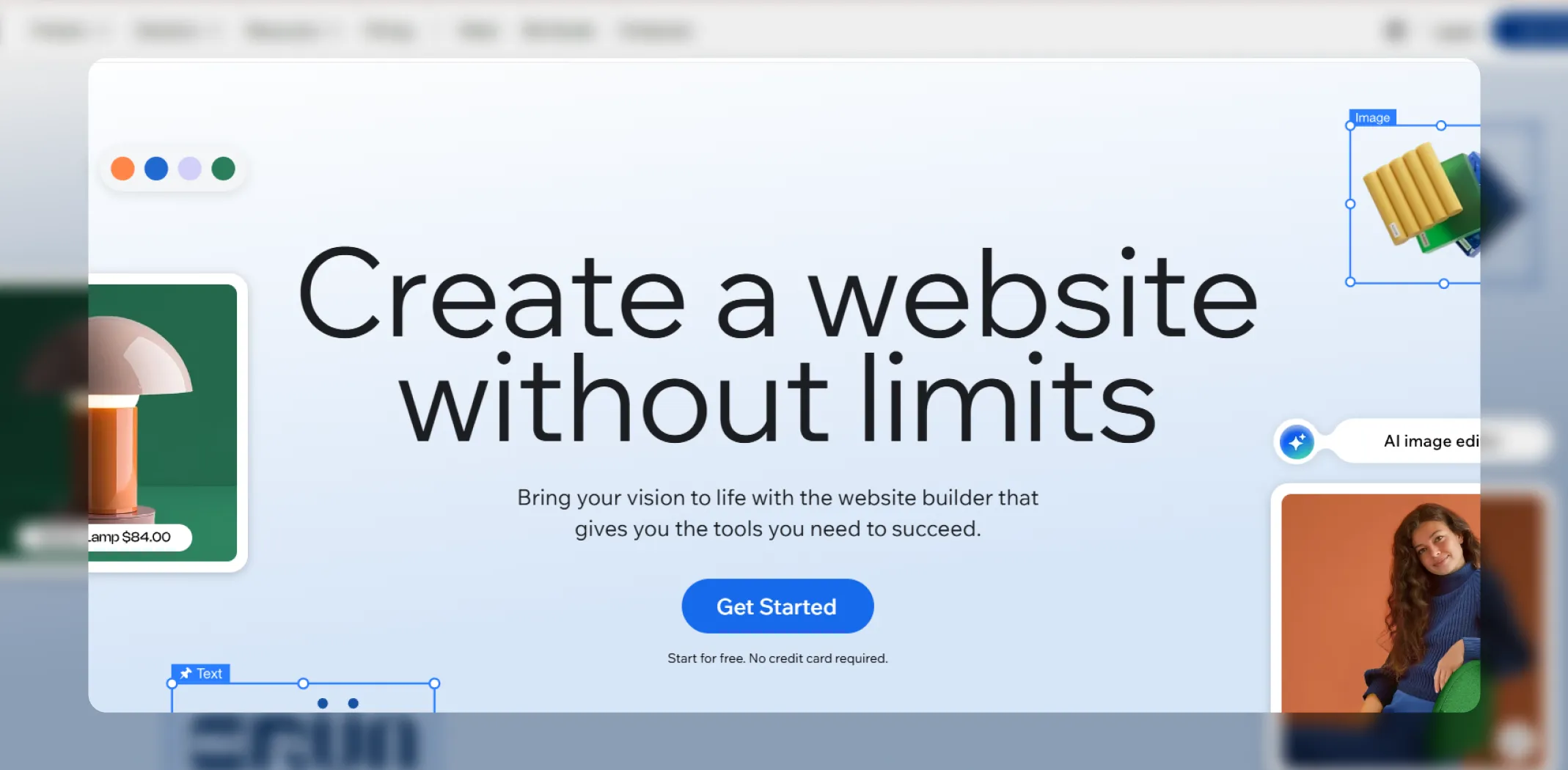
Wix is one of the most popular website builders in the world and it works well for small online stores. Its drag-and-drop editor means you can build your store visually without touching a single line of code. You can start with a template, customize everything to match your brand, and go live in a day or two.
Wix ecommerce plans start at $17/month. That includes the store, payment processing, and a custom domain. Add-ons can push the cost higher over time, so keep an eye on what you are activating. It rates 4.1/5 on Trustpilot from thousands of real users.
Earning potential: $200–$800/month with consistent social media traffic and a focused product niche.
Why this works in 2026: Wix has invested heavily in AI-powered design tools that make setup faster than ever. Their ecommerce features have matured significantly and suit stores with up to a few hundred products.
Hostinger
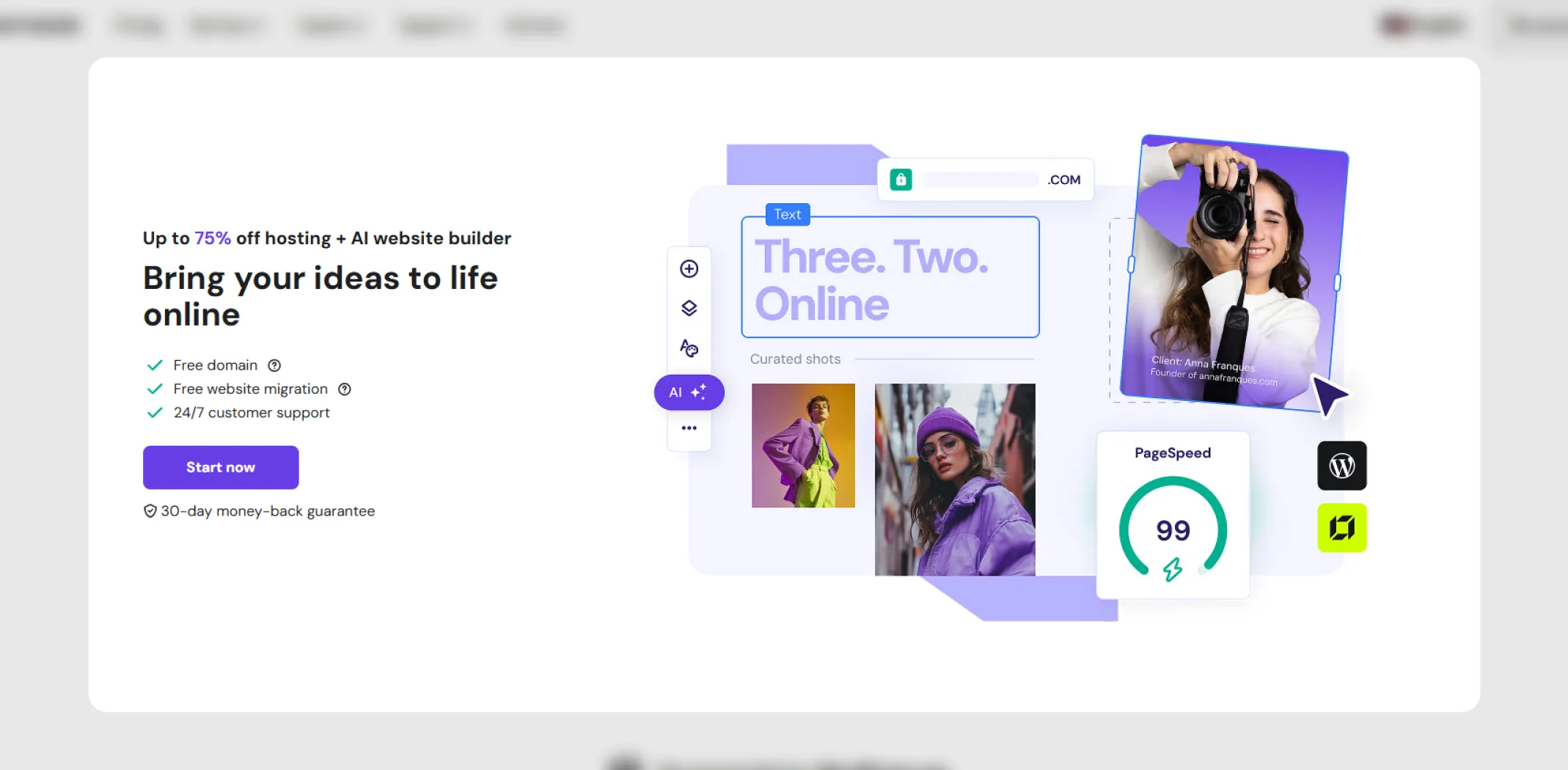
Hostinger is the most affordable option on this list. Starting at $11.99/month, it is built for beginners who want to keep costs low without sacrificing too much functionality. The platform includes AI-powered design tools and ready-made templates so you can get a store running quickly even if you have no design experience.
The main limitation is scale. Hostinger works well for stores with under 500 products, but it lacks advanced features like abandoned cart recovery or subscription product options. It rates 4.7/5 on Trustpilot, making it one of the highest-rated platforms among actual users.
Earning potential: $100–$500/month for small stores with a tight niche and regular social posting.
Why this works in 2026: For someone testing their first product idea with a tight budget, Hostinger removes the financial barrier to entry without requiring a major learning curve.
Ecwid
Ecwid is not a standalone store builder in the traditional sense. It is designed to add ecommerce functionality to a website you already have. If you run a blog, portfolio site, or local business website and want to add a shop section, Ecwid makes that seamless. It starts at $5/month and even has a free plan for very small stores.
The downside is that it is not great as a standalone business foundation. It rates 4.7/5 on G2 and works best as a bolt-on solution rather than a primary platform.
Earning potential: $50–$300/month as a supplement to an existing audience or website.
All-in-one platforms
These builders are designed to handle everything from store design to payments to marketing in one place. They cost more but offer more power as your business grows.
Shopify
Shopify is the most widely used dedicated ecommerce platform in the world. It is built specifically for selling, which means every feature and every setting is designed around running a store. You get product listings, payment processing, shipping tools, and a massive library of apps to expand your store’s capabilities.
Plans start at $39/month. That cost climbs if you add apps, use external payment processors, or upgrade to higher tiers. Shopify charges transaction fees unless you use Shopify Payments, which is worth knowing before you commit. It rates 4.4/5 on G2 from tens of thousands of reviews.
Earning potential: $500–$5,000+/month for sellers who actively market their store and optimize their product selection.
Why this works in 2026: Shopify has become the default choice for serious sellers. Its reliability, third-party integrations, and brand recognition make it a trustworthy long-term foundation.
BigCommerce
BigCommerce is designed for sellers who are ready to scale. It handles large product catalogs, multiple sales channels, and complex store setups without breaking a sweat. It has some of the strongest built-in SEO tools of any platform on this list, which matters if you want your store to rank on Google without paying for every click.
Pricing starts at $348/year (about $29/month). There are no extra transaction fees, which makes the math more predictable than Shopify for high-volume sellers. The trade-off is a steeper learning curve. It rates 4.2/5 on G2.
Earning potential: $1,000–$10,000+/month for established sellers with a strong product catalog and marketing strategy.
Why this works in 2026: For sellers who have already proven a product and need to grow fast, BigCommerce removes the technical bottlenecks that slow down other platforms.
Square
Square is unique because it bridges online and in-person sales in one system. If you already have a physical location – a market stall, a pop-up shop, a small retail space – Square lets you sync those sales with your online store automatically. The free plan includes basic ecommerce features, and you only pay processing fees when you make a sale.
The main limitation is design flexibility. Square stores tend to look similar because customization options are limited compared to Wix or Squarespace. It rates 4.3/5 on Trustpilot.
Earning potential: $200–$1,500/month for sellers combining online and in-person selling.
Design-forward platforms
If your brand relies heavily on visuals – think photography, art, handmade goods, or personal branding – these platforms help your store look as good as your products.
Squarespace

Squarespace has some of the best-looking templates of any website builder on the market. Every theme is clean, modern, and mobile-optimized. If your customers are making purchase decisions based on how your store looks, Squarespace gives you a serious advantage.
Plans with ecommerce features start at $25/month. It includes built-in marketing tools, email campaigns, and analytics. The downsides are limited payment options compared to Shopify and a smaller product catalog cap. It rates 4.5/5 on G2.
Earning potential: $300–$2,000/month for creative brands with strong visual content and a loyal following.
Why this works in 2026: Visual commerce is growing. Buyers increasingly judge stores by their design before they look at prices. Squarespace makes a strong first impression effortlessly.
WooCommerce
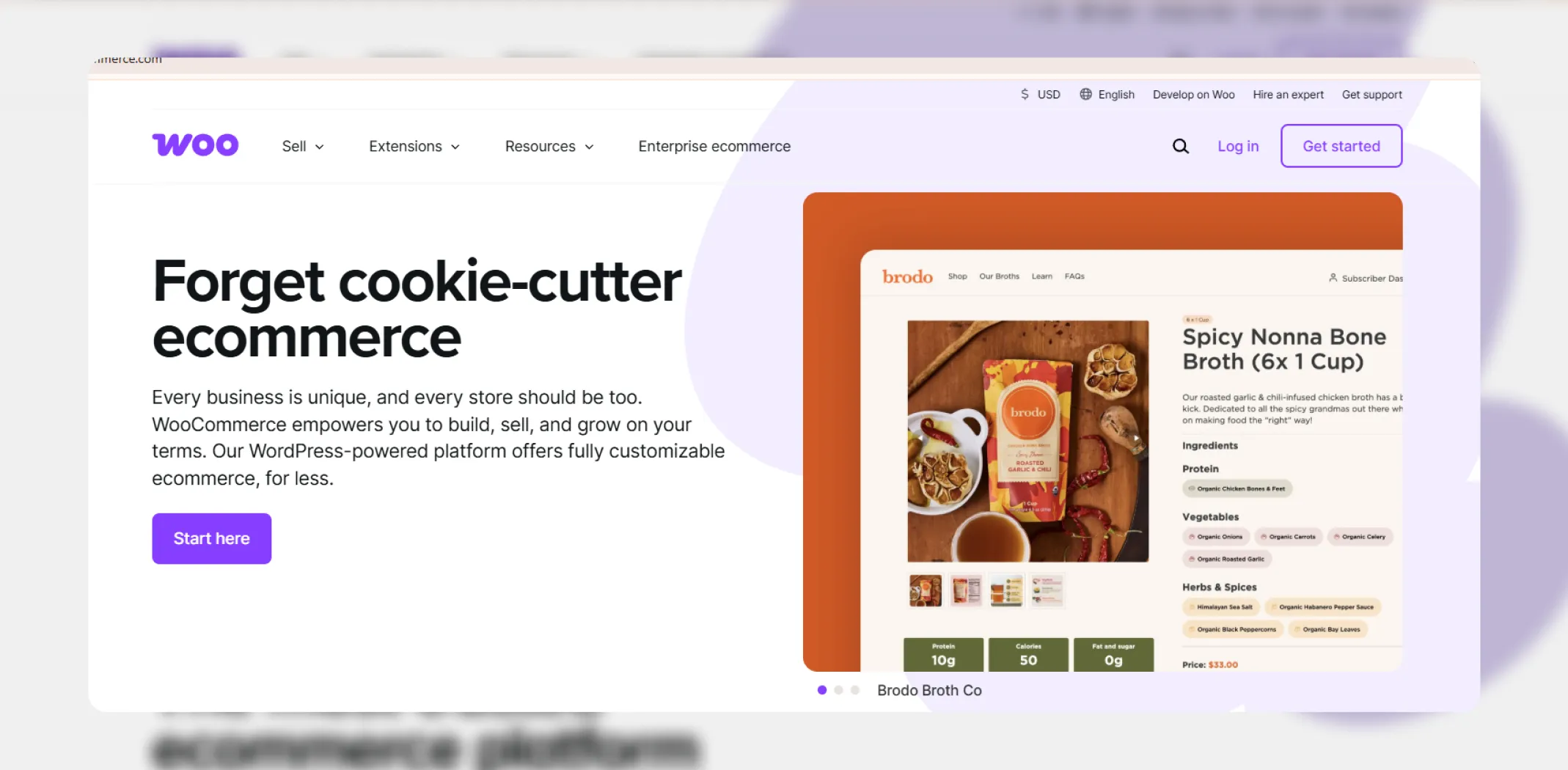
WooCommerce is a free plugin that turns a WordPress site into a fully featured online store. Because WordPress powers over 40% of all websites, WooCommerce has an enormous library of plugins, themes, and integrations available. You can customize virtually every aspect of your store.
The catch is that “free plugin” does not mean free. You still need to pay for hosting, a domain, and likely several premium plugins to get the features you need. You also take on more responsibility for maintenance, updates, and security. It rates 4.4/5 on G2.
Earning potential: $500–$5,000+/month for sellers willing to invest time in setup and ongoing management.
Why this works in 2026: WooCommerce is the right choice if you want total control and already have WordPress experience. It is not the right choice if you want something running fast with minimal setup.
Comparing the best ecommerce website builders side by side
Here is a quick reference to help you compare all eight platforms at a glance before making your decision.
Every platform above requires you to figure out what to sell, how to market it, and how to drive traffic on your own. That is where most beginners get stuck.
How to choose the right ecommerce website builder for you
With so many options, the decision comes down to five honest questions. Answer these and the right platform will become obvious.
What is your budget?
If you are working with under $20/month, start with Hostinger or the free Square plan. If you can invest $39/month and want the most complete toolkit, Shopify is hard to beat. If you want a full store built for you with digital products already loaded and a built-in advertising system, Sellvia’s 14-day free trial costs you nothing to start.
How tech-savvy are you?
Be honest here. If the idea of managing web hosting, installing plugins, and troubleshooting errors sounds stressful, avoid WooCommerce and go with a hosted platform like Wix or Shopify. If you want zero setup at all, Sellvia builds and launches your store for you.
What are you selling?
Physical products you manage yourself? Shopify or WooCommerce. Creative work or photography? Squarespace. Digital products like guides, courses, and tools? Sellvia provides a full catalog of ready-to-sell digital products with 50–70% profit margins on every sale – no inventory, no packaging, no logistics.
How fast do you want to see results?
Building a store from scratch, finding products, setting up ads, and learning a platform can take weeks. If you want sales faster, the built-in advertising system on Sellvia lets most new store owners start receiving orders the same day they turn on ads. Many people activate their store and see their first order within 24 hours.
Do you want ongoing support?
Most ecommerce platforms offer documentation and live chat. Sellvia offers 24/7 support from a team that is invested in your store’s success – because when you earn, they earn. That alignment matters when you are just starting out and have questions at 11pm on a Tuesday.
The right builder for your situation
Not everyone is starting from the same place. Here is how to match your current situation to the best fit.
Complete beginner with limited budget
Start with Hostinger to learn the basics, or skip the learning curve entirely with Sellvia’s free trial. Sellvia builds the store for you and loads it with digital products. You activate ads and start selling without needing to figure out what to stock or how to market it.
Intermediate seller who already has an audience
If you have a blog, social media following, or email list, Shopify or WooCommerce give you the control and flexibility to build a store around your existing audience. Ecwid is also worth considering if you just want to add a shop to a site you already own.
Advanced seller focused on scaling
BigCommerce and Shopify Plus are built for high-volume stores. If you are already doing consistent monthly sales and want to grow to five or six figures per month, these platforms can handle the volume. Budget for apps, integrations, and possibly a developer.
Someone who wants the fastest path to income
That is Sellvia. Over 1,500,000 stores have been launched on the platform. Store owners have collectively earned more than $1.5 billion. The trial-to-paid conversion rate sits around 30% because the platform actually works for people who use it. Sellvia is recognized by Forbes and ranked in Inc.’s list of America’s 5,000 fastest-growing companies.
Why Sellvia is a game-changer for your online store 🚀
Sellvia isn’t just another ecommerce tool. We are a trusted name in the industry, recognized by Forbes and even ranked in Inc.’s list of the 5,000 fastest-growing companies in the U.S. So if you’re serious about starting as a solopreneur, this is a smart place to begin.
Starting an online business can feel overwhelming, but that’s exactly where Sellvia steps in. It takes care of the tricky parts, so you can focus on making sales and growing your brand. Let’s break down what makes it such a great choice.
Get a ready-to-go store hassle-free 🎯
Want to start selling but don’t know where to begin? No worries! Just share your ideas, and Sellvia’s team will build a free ecommerce website that’s fully set up and ready to take orders from day one. No coding, no stress – just a store that works right out of the box.
A $100 welcome gift to grow your business faster 🎁
Starting a business takes momentum – and Sellvia gives you a head start. When you claim your free store today, you also get a $100 welcome gift to put toward growing your business. Use it to upgrade your store, boost your marketing, or unlock new tools. It is a real dollar value, handed to you on day one, with no catch and no hoops to jump through.
A massive catalog of digital products to sell 🏆
One of the biggest struggles in starting an online business is figuring out what to sell. Sellvia solves that completely. Your store comes pre-loaded with digital products – guides, courses, checklists, and tools – all created by Sellvia. You keep 50–70% of every sale. No inventory. No shipping. No logistics headaches.
Everything in one easy-to-use platform 🔥
Managing an online store shouldn’t be complicated. With Sellvia, you can handle orders, add new products, and even chat with customers – all from a simple and user-friendly platform. No need to mess with confusing tools or deal with unnecessary tech stuff. It’s all smooth sailing.
No upfront costs, just start selling 💰
A big reason people hesitate to start an online business is the cost. But here’s the good news: With Sellvia, you don’t need to invest in stock, storage, or shipping supplies. You can run your store with no upfront costs, keeping things low-risk while still making money.
Support that’s always got your back 🤝
Running a business comes with questions, but you’re never alone. Sellvia’s dedicated support team is available 24/7 to help with anything you need. Whether it’s a small question or a big challenge, they’ve got you covered.
Every ecommerce website builder on this list will give you a platform – but only Sellvia gives you the products, the ads, and the support to actually start earning. Claim your free store today and see why over 1.5 million people chose Sellvia to start their online business.
What is the best ecommerce website builder for beginners?
Which ecommerce platform has the lowest monthly cost?
Ecwid offers the lowest entry point at 5 dollars per month, and Square has a free plan that only charges processing fees when you make a sale. Hostinger starts at around 12 dollars per month and offers solid beginner features for that price. Keep in mind that the true monthly cost of any platform often rises once you factor in apps, plugins, and marketing tools. Sellvia offers a 14-day free trial with full platform access and a welcome gift included so you can test it before committing to the 39 dollar monthly plan.
What is the easiest ecommerce website builder to use?
Wix and Hostinger are consistently ranked among the easiest ecommerce website builders because both use drag-and-drop editors and offer step-by-step setup guides. Neither requires technical skills or experience with web development. Squarespace is also highly rated for ease of use, particularly if design matters to you. If you want to skip setup entirely, Sellvia builds and launches a fully operational store for you so you can focus on selling rather than configuring.
How much does it cost to build an ecommerce website?
Using a platform like Shopify or Wix, you can expect to spend between 17 and 39 dollars per month for a functional store. Custom-built stores designed by developers can cost anywhere from 2,000 to 20,000 dollars depending on complexity. Additional costs to budget for include apps, premium themes, domain registration, and advertising. Sellvia offers a 14-day free trial with no upfront cost, and the platform after trial is 39 dollars per month with order processing fees charged only when sales are made.
Which ecommerce website builder is best for selling digital products?
Sellvia is the strongest choice for selling digital products because every store comes pre-loaded with a catalog of guides, courses, checklists, and tools that Sellvia creates and maintains. You keep 50 to 70 percent of every sale, and delivery is handled digitally so there is no inventory or logistics to manage. Shopify and WooCommerce also support digital product sales through third-party apps, but those require you to source or create your own products. With Sellvia, the product catalog is already built and ready to sell from the moment your store goes live.