
Somebody who likes what you make gets in touch, and the message carries the phrase everyone recognises: it would be marvellous exposure. Half the internet tells you to accept, since nobody pays without a portfolio. The other half tells you never to work for nothing, because it fixes your price at zero forever. Each describes a genuine risk, and neither has any idea which one you are currently standing in.
The quick answer
The honest framing is not “free or paid” at all. One thing settles it: whatever you are genuinely short of. With nothing to show, free work purchases evidence, and that is a reasonable trade. With a folder already full, it purchases nothing while quietly informing the next client of your rate. Checking which of the two you are in takes minutes and usually ends the debate.
Coming up: the thing that decides this, a table you can find your own situation in, and the sort of free work that costs far more than it appears to.
The choice was never free against paid
Both warnings come from people burned in opposite directions. One spent two years handing out favours and never turned a single one into a client, so working free is evidently a trap. Another charged confidently from the first day and arrived sooner, so hesitation is evidently the error. Neither is lying, and neither has any idea whether you currently own anything worth showing a paying client.
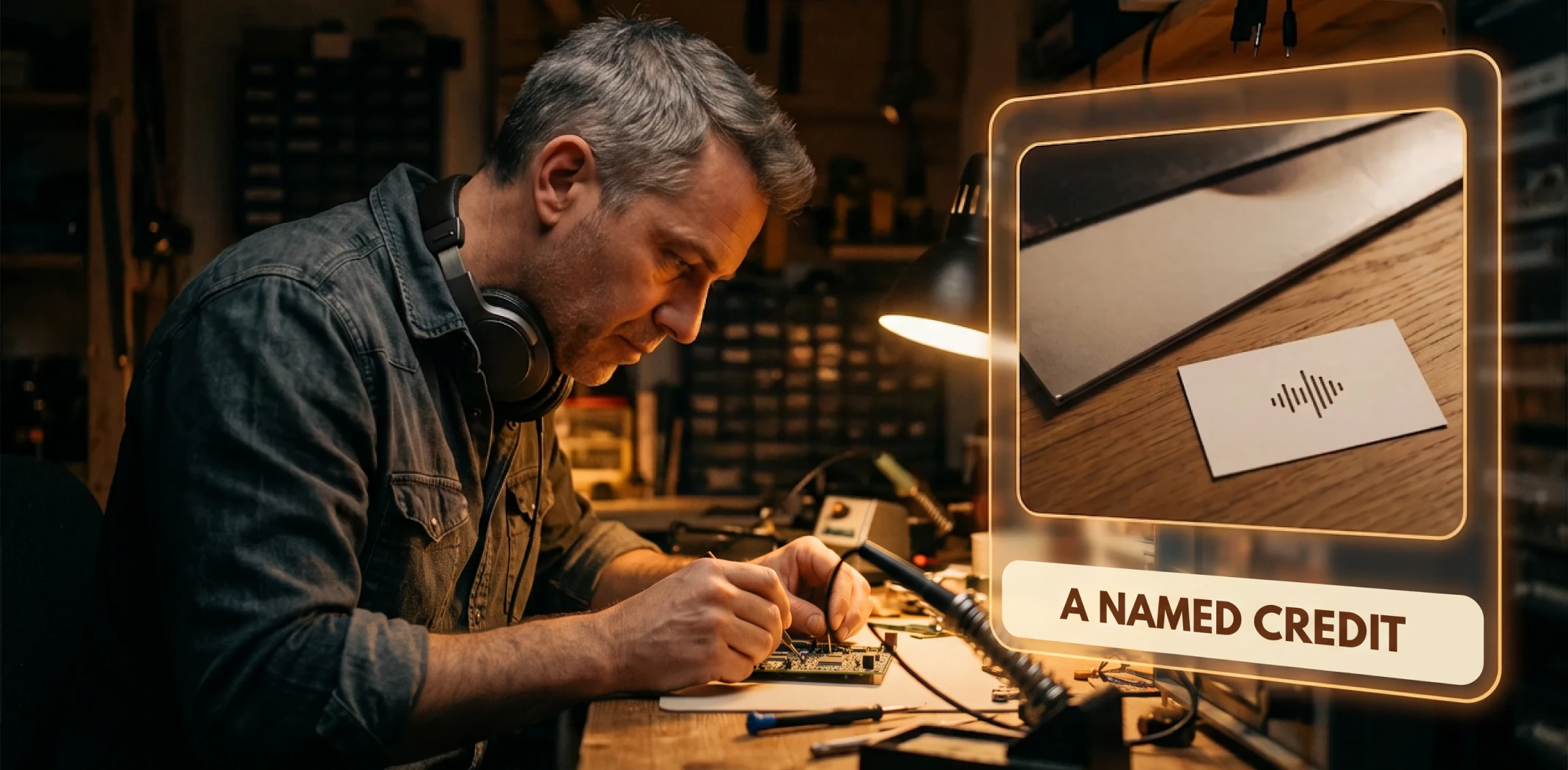
The mechanism is straightforward. Free work is a purchase rather than a gift: hours are being spent to acquire something. What it can legitimately acquire is evidence, a testimonial or a named introduction. What it cannot acquire is a client’s conviction that your time carries value, and every additional piece makes that harder. Naming what a piece of free work is meant to buy before agreeing to it is the whole discipline.
Which means the question was never whether working for nothing is beneath you. It is whether this particular piece has anything specific to purchase.
Find what you are missing in the table
Consider what you could genuinely put in front of somebody today rather than how capable you happen to feel, then locate yourself in the table below. Sorting that honestly takes a few minutes and usually settles it.
| What you have | What usually works | Why |
|---|---|---|
| Nothing to show whatsoever | Two or three free pieces you choose yourself | That is buying evidence, which is well worth owning |
| A few pieces, no paying clients | Charge, and keep the price low | The gap is proof of payment, not proof of skill |
| Paying clients already | Charge on every occasion | Free work at this stage caps your next quote |
| Not sure what you have | Lay it out this week | Every row above depends on it |
Take those as a starting point, not a rule. The field you work in, whether the results are publicly visible and how long each piece takes all shift the line, which is exactly why the answer belongs to your situation rather than to a slogan.
The kind of free work that genuinely pays off
This is the part most people miss: there is an enormous difference between free work you selected and free work somebody requested. The first is a project you selected to prove something specific. The second is somebody else’s job with the invoice removed, and telling the two apart before you say yes is what protects the year ahead.
Free work that repays you tends to carry the same three features.
Worth doing for nothing · three tests
The project was yours. Something you chose demonstrates the work you want more of. Something requested demonstrates the work they want more of, and those seldom match.
There is an end and a count. Two pieces, or a single month, settled before anything begins. Open-ended free work quietly turns into an unpaid position that is awkward to leave.
Something comes back that is not thanks. A public credit, a testimonial you can quote, or a named introduction. If none of those are on the table, you are not buying anything.
Chosen by you, bounded, and repaid in something beyond goodwill. Anything else is a favour, which is perfectly fine so long as you name it as one.
Notice that none of this is about confidence. It is about knowing what a piece of work is meant to return, and a first offer priced from what you already have is designed to make that decision once rather than every time somebody asks.
What it costs when free work goes wrong
It costs you the price, and prices stick. A client who received good work for nothing carries a figure in their head, and that figure is zero. Lifting it later asks them to accept that identical work now costs money, which people find remarkably hard, so the relationship generally ends instead of converting.
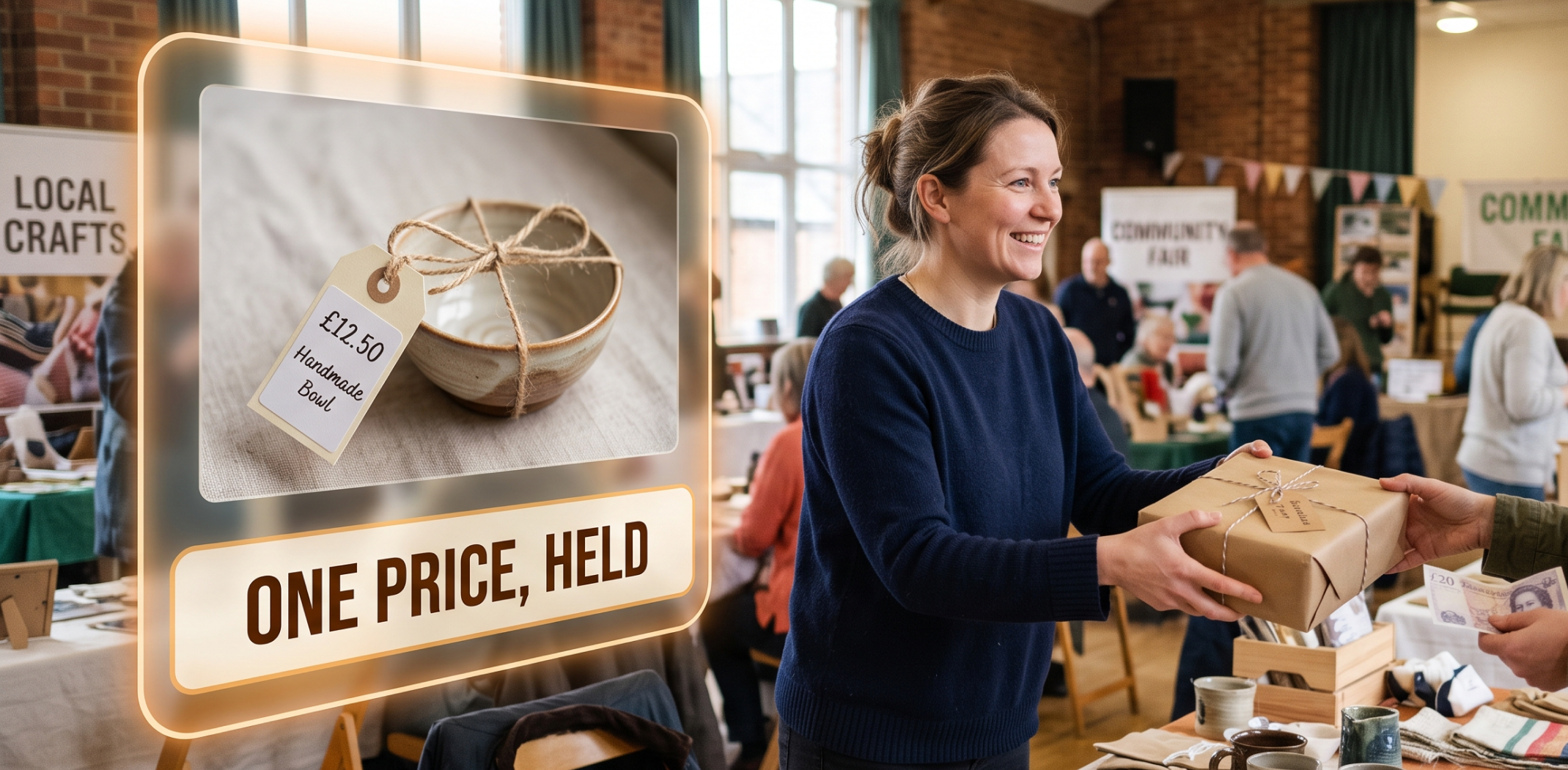
The second cost is your calendar. Unpaid work expands, since nobody is counting the hours, and it invariably turns up at the precise moment a paying enquiry does. So: work out what you are short of, agree what each piece buys, then set a small price and hold it. A plan with one offer and one number is what stops each request from becoming a fresh negotiation.
Saying yes vs refusing vs pricing it properly
You can work this out yourself, for free, with an hour and an honest look at your folder. Here is how the usual routes compare with pricing from what you already have.
| Way to decide | Cost | Built on your own work? | Time |
|---|---|---|---|
| Say yes to everything | Free | No – buys goodwill, not clients | Months, sometimes years |
| Refuse all free work | Free | No – ignores having nothing to show | Stalls at the start |
| A freelancing course | $100–400 | Sometimes – general pricing, not yours | Weeks |
| Hobby to Freelance Income Starter | $10 | Yes – one offer, one price, your evidence | About 15 min |
“Does charging early not cost me the chance?” Occasionally it does, and that is worth conceding rather than smoothing over: some people who would have said yes to free will say no to a price, and a few of those would genuinely have been useful. The question is what proportion, and whether the ones you lose were ever going to pay. A low first price filters far better than free does, because somebody willing to pay a small amount has already answered the only question that matters. This is general educational guidance about pricing your own work rather than business, tax or legal advice, and rules on invoicing and self-employment differ by country.
If that still sounds like splitting hairs, two people took opposite routes from an identical starting point.
Two people, two opposite mistakes
One of them had nothing to show and used free work on purpose. The other had a folder full of finished work and was still handing it out.

“I had nothing anybody could look at, so I picked three projects myself and did them for nothing on purpose. All three went in the portfolio and the fourth enquiry was the first one I charged for.”
Teodora L. · illustrator, Green Bay WI
“Two years of favours and a folder full of good work I had never been paid for. Asking for money felt like a betrayal until I saw it written down. The first invoice was small and nobody blinked.”
Ignatius R. · sound engineer, Chattanooga TN
Once money starts arriving, the part that catches people out is what it costs to earn it, and the Side Hustle Expense Tracker is built for keeping that straight from the first invoice. Results vary; this is general guidance rather than business or tax advice.
Five short answers, and a single offer at a single price lands the same day, worked out from what you can already show rather than from somebody else’s rate card. It also sorts the requests worth accepting for nothing from the ones that are simply another person’s job with the invoice removed, and that distinction tends to decide the following year. The opening price is deliberately modest.
*Individual results may vary.