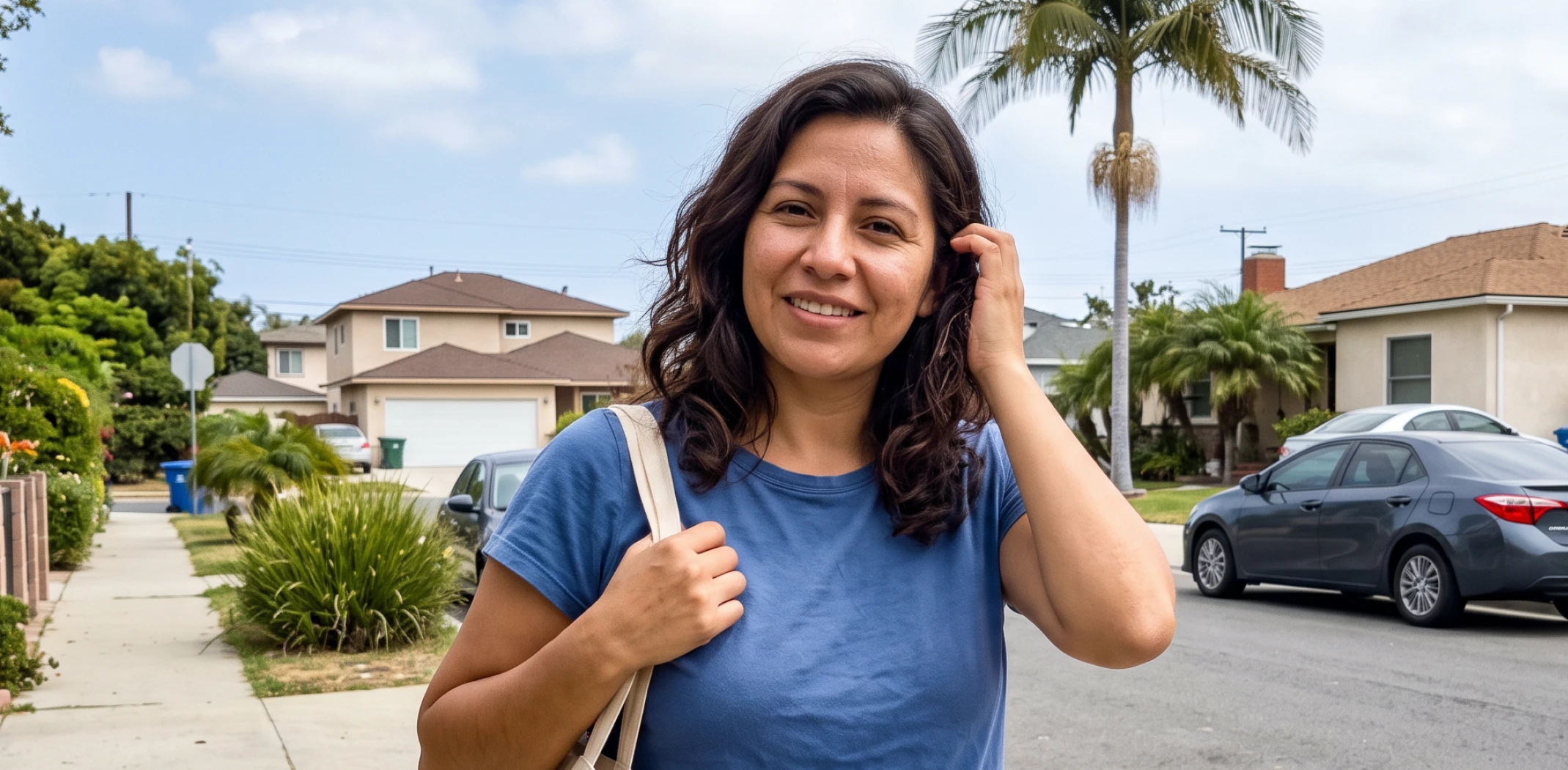
Stacy wanted to know how to save for a down payment while paying rent. She is 31 and works as a physical therapy assistant in Greenville, South Carolina. Her one-bedroom costs $1,350 a month, and her take-home is around $3,900. She had been planning to buy a small house for two years. Her savings had been stuck near $1,200 the whole time.
Her plan was to save the leftovers each month. There were rarely leftovers. Two times she set up an automatic transfer, and two times she moved the money back when life got expensive.
She did not lack discipline. She had a system that depended on discipline, and that is a system that breaks.
The leftover method never builds a down payment
When saving happens at the end of the month, it competes with everything else in the month. Groceries, birthdays and repairs always win. People who reach a down payment usually flip the order: savings come out first, on payday, and the rest of life fits into what remains. It sounds small. It changes everything.
A coworker who had just closed on a townhouse shared her method. Stacy set up an automatic savings plan that saves first and lets you spend the rest.
Setting the goal and the math
Ten questions, one at a time. Monthly take-home: $3,900. Must-pay bills: rent, car payment, insurance, utilities, phone, groceries and a student loan, about $2,700. Costs that come now and then: about $120 a month. Main goal: a down payment. How much: $15,000 including closing costs. By when: 2 years. Saved so far: $1,200. Direct deposit: yes. Auto-saving before: tried, did not last.

Her down payment plan
around $500 a month after every bill and the costs that come only now and then.
24 months meant $575 a month, too much. 30 months meant about $460. She chose 30.
$230 of each check goes directly to a house account, and $60 to a small fund for repairs and gifts.
the savings were one tap away. The fix: a separate bank, no card, and a rule to lower the amount in a bad month instead of stopping.
She had never planned for car repairs and gifts. Those surprises were what kept emptying her savings.
Fourteen months of saving without thinking
First week · Two new pots – a high-yield savings account at an online bank she does not use daily, split into “House” and “Car and gifts.”
Second week · Turn it on – a $20 test transfer, then a request to payroll to split her paycheck.
Fourth month · Brakes – a $380 repair. The car pot covered $360 of it. The house money stayed where it was.
Ninth month · More pay – a raise of $160 a month, and $80 of it went straight to the house account.
One look at the balance each month is all the work she does now.
Saving without giving up her life
Stacy did not stop going out or skip her friends’ weddings. She just stopped deciding each month whether to save. The decision was made once, on the first day.
- Money out on payday
- Savings in a different bank
- A small fund for surprises
- A timeline you can live with
- Part of each raise saved
- Saving the leftovers
- Savings one tap away
- No plan for repairs
- A deadline that is too tight
- All or nothing months
Fourteen months in, her house account shows about $8,200, more than half of the goal. If she keeps the same pace, she can start house hunting in about a year.

How the choices compare
Stacy weighed the usual ways people try to save.
| Choice | Price | Result |
|---|---|---|
| Leftover saving | Free | Little or nothing each month |
| Round-up apps | Paid monthly | Small sums, no goal plan |
| Paid planner | Hundreds of dollars | Advice at a high cost |
| Set & Forget Savings Plan | $39 | Saving room, goal math, payday schedule, account setup and fixes for what failed before |
“How much do I really need for a down payment?” It depends on the home price, the type of loan and where you live, plus closing costs. Many first-time buyers put down much less than 20%. Talk to a lender early to get your number, then let the plan turn it into a monthly transfer.
Others who stopped saving with willpower

“Every time I saved, I moved it back a week later. Putting it in a bank I never open fixed that. Half a year later my emergency fund is $1,900 and still whole.”
Jared W. · apprentice electrician, Little Rock AR

“Vacation money always got spent on something else. Now $75 moves every payday before I notice. This summer we paid for the beach in cash.”
Lucy H. · school cafeteria cook, Mobile AL
Prefer a weekly savings game? Try the 52-Week Savings Challenge Builder. Results are different for everyone, and this article is general information, not financial advice.
Knowing how to save for a down payment comes down to one change: save first, spend second. Stacy set it up once, gave surprises their own pot and stopped relying on willpower. Her house fund grew while she lived her life.
AUTOMATE MY DOWN PAYMENT SAVINGS
*Individual results may vary.