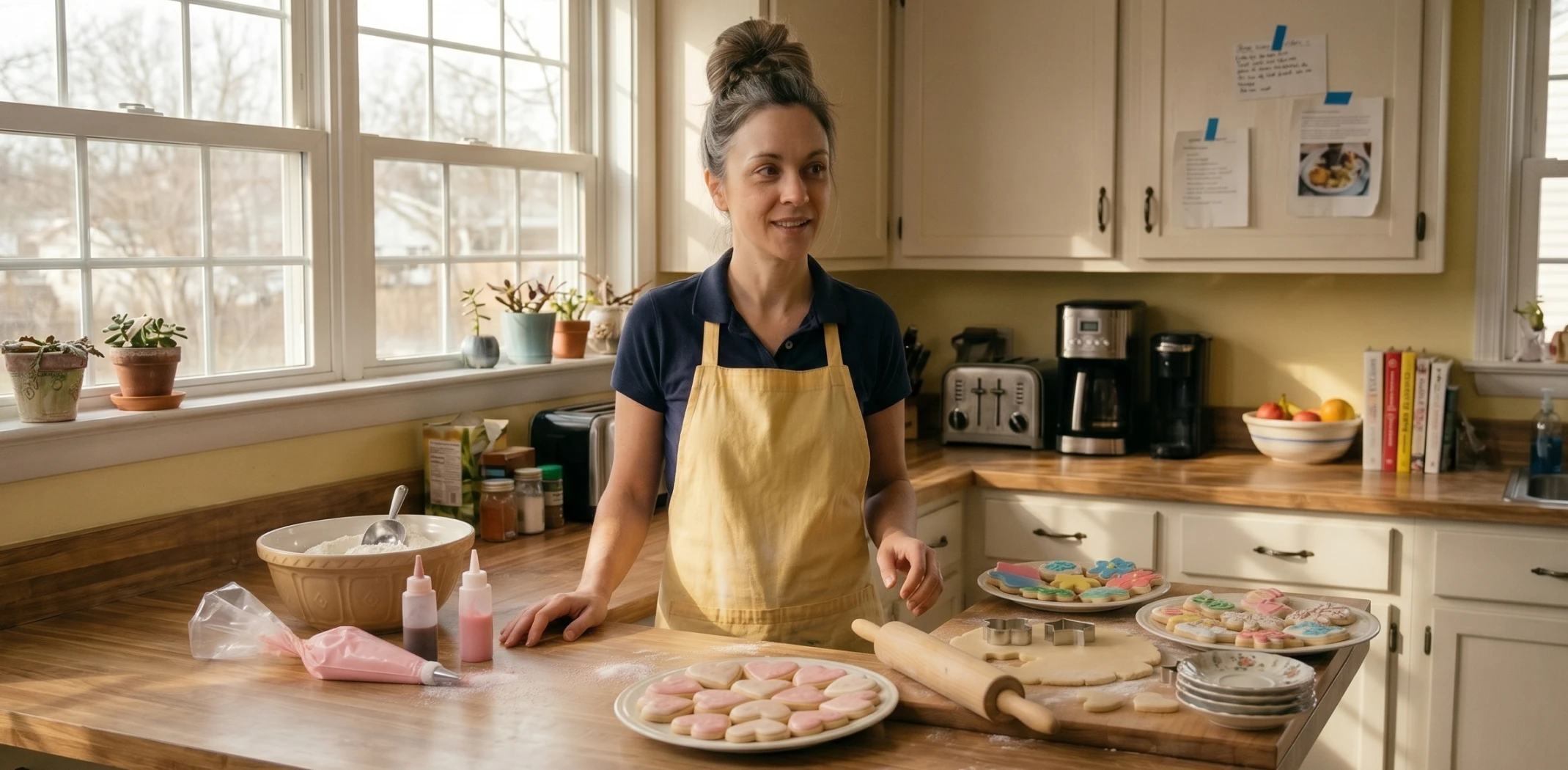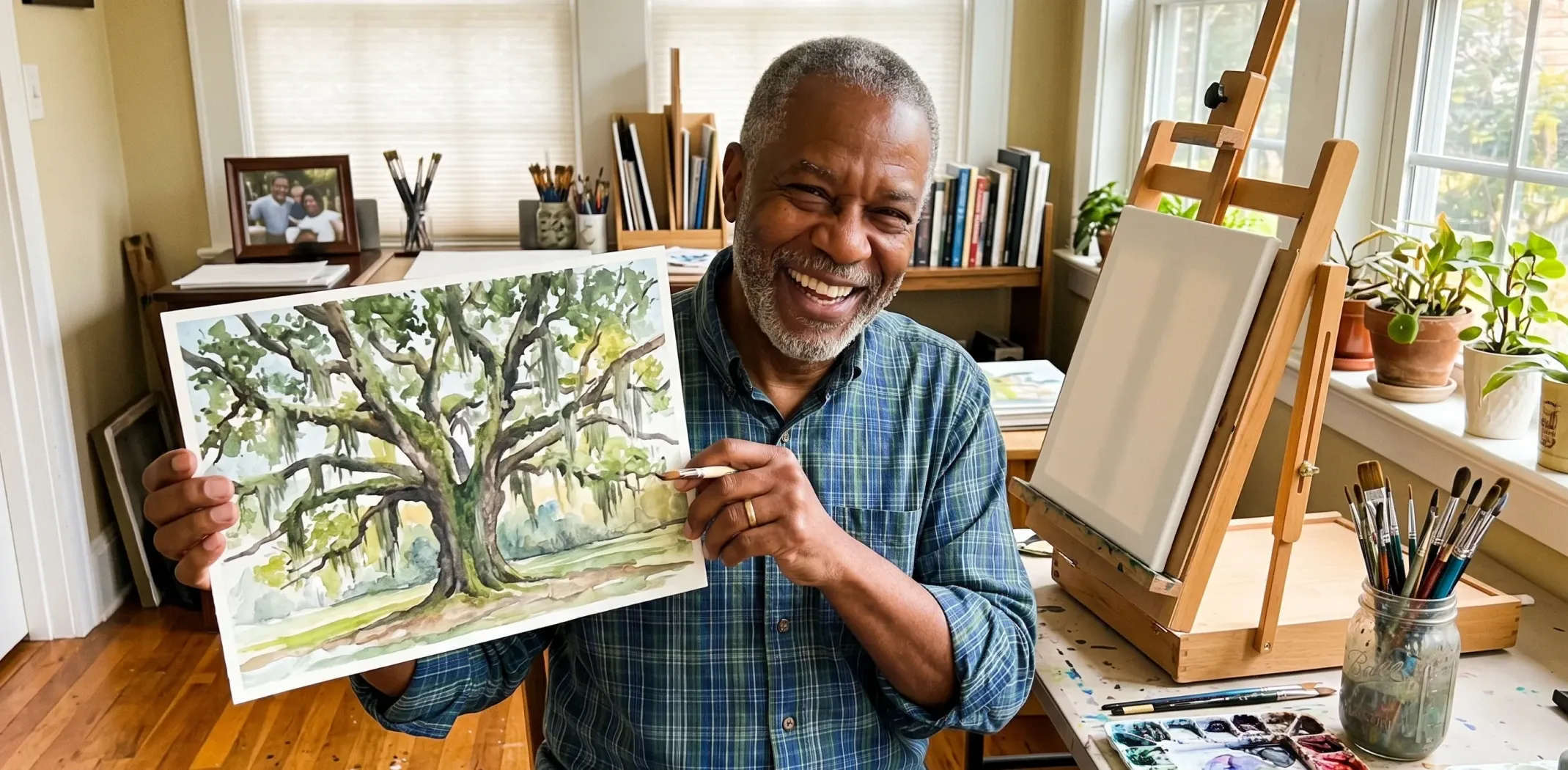
There were roughly 240 finished watercolours stacked in Otis Whitfield’s spare-room closet – 36 years of Sunday painting that had never once been priced or sold. For a retiree wondering how to make money from a hobby in retirement, that closet was the whole opportunity, just sitting there.
At 67, retired from a 38-year postal route in Atlanta, he was comfortable on his pension – but not loose. His late wife Mavis, a painter herself, had handed him his first brushes back in 1988, and he kept at it long after she was gone. The finished pieces simply piled up, until his daughter Janelle pushed, one more time, that they were good enough to sell.
He kept saying no – he was a mail carrier, not an artist, and the whole idea felt like a fog. The thing that cut through it was not a how-to-sell seminar. It was eight questions that converted 36 years of work into a ranked plan: which channels suited his hours, his stack of inventory and his wariness about going online, and what to tackle first. This is the order he followed.
Why “you should sell those” never becomes an actual sale
Friends and family always tell the hobbyist the work is good enough to sell. The compliment is warm and completely unactionable – “you should sell those” names no channel, sets no price, and assigns nothing to do tomorrow. So the work keeps gathering dust, and the encouragement quietly turns into one more thing to feel guilty about.
None of this means selling art is effortless – only that the obstacle is seldom the work. What is missing is the bridge from “this is lovely” to “here is the channel, the price, and the first move.” Building that bridge is precisely what a roadmap does.
Otis lacked neither work nor skill. He had decades of inventory and no map – no read on which channel suited a retiree with a full closet and a wary attitude toward screens.
Like so many gifted hobbyists, Otis did not need reassurance that the work was good. He needed to know where it would genuinely sell, what to charge, and which channel to open up first.
What Otis tried first – and why none of it stuck
Ahead of the roadmap that worked, he made the familiar false starts:
Setting up an Etsy shop, then freezing
He registered an account and then stalled on pricing, photography and listings. An empty shop with no plan behind it just becomes one more source of quiet guilt.
Handing paintings out “to build a name”
Kind-hearted, but it anchored the price at nothing. Giving work away earns goodwill, not money – and it signalled to everyone that the paintings were not worth paying for.
Holding out until he “felt like a real artist”
That moment never arrived. Identity was never the obstacle – what was missing was a channel, a price and a first step, not a fresh sense of self.
Every one of these skipped the unglamorous middle: map the work to specific channels, price it against real comparables, and roll them out one at a time, easiest income first.
I did not have to turn into somebody else. I needed to know where these paintings sell, what to ask for them, and which one to open this month – not the whole lot at once.
The 4 things the Roadmap built from Otis’s answers
He worked through eight questions – his craft and how much of it he had finished, his free hours, whether he preferred selling in person or online, and his goal. A few minutes later, four deliverables, ordered for action:
It never said “go sell art.” It said begin at the farmers market with prints, ask this for them, and leave the online shop alone until you are ready.
His simplest win suited a man who had spent 38 years greeting people on a route: a table of matted prints at a nearby farmers market. No screens, all face to face, and money in hand the very first weekend.
From a closet to $1,420 a month: Otis’s six months
The plan brought channels online one by one – market prints to begin with, the rest layered on as each settled.
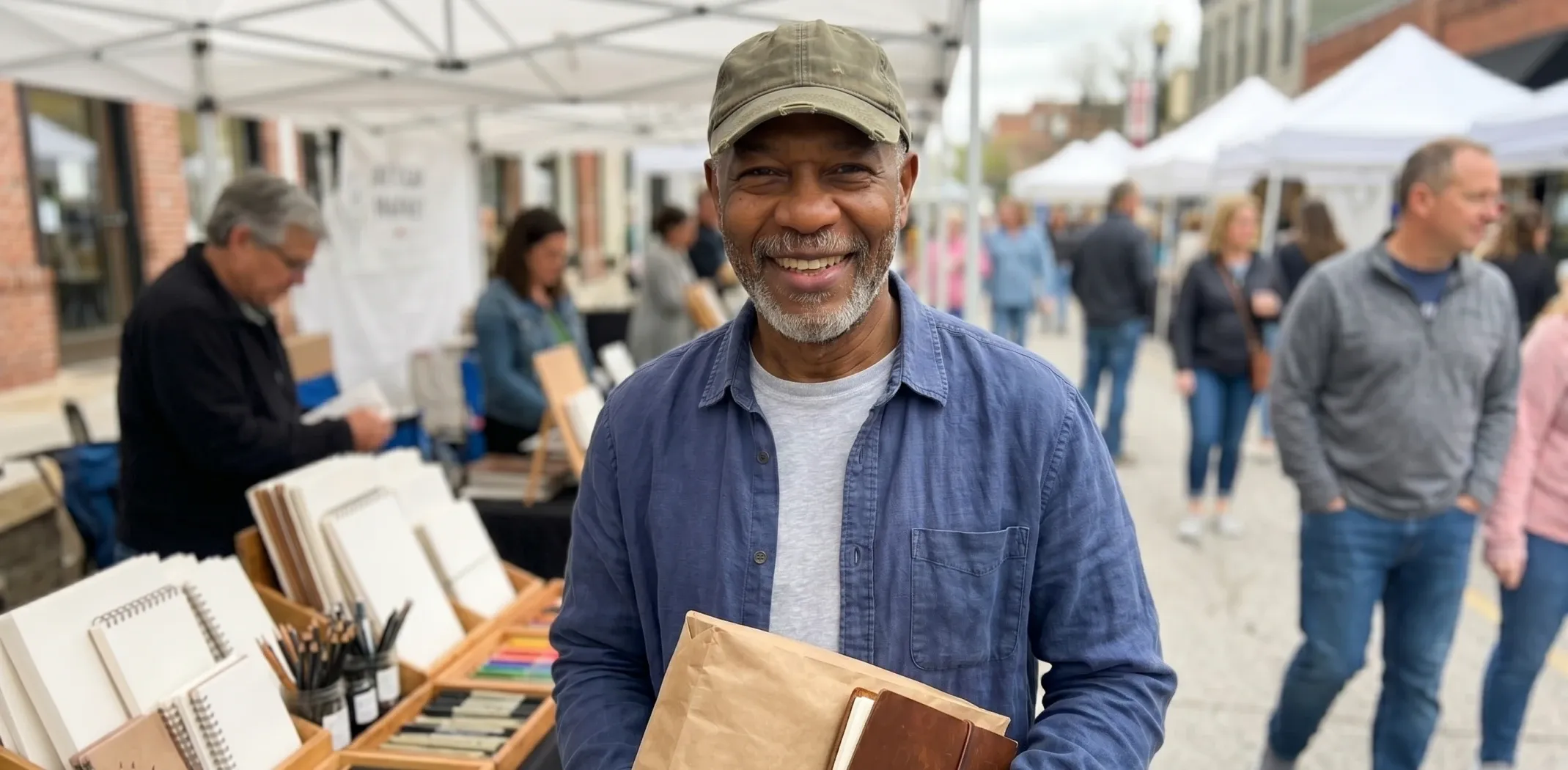
Farmers-market prints ★ start here
~$520/month · 🟢 Low effort · face to face, no tech, earning the first weekend.
Custom commissions
~$400/month · 🟡 Medium effort · higher price per piece, built from market regulars.
Etsy print shop
~$300/month · 🟡 Medium effort · the online channel, opened once he had momentum.
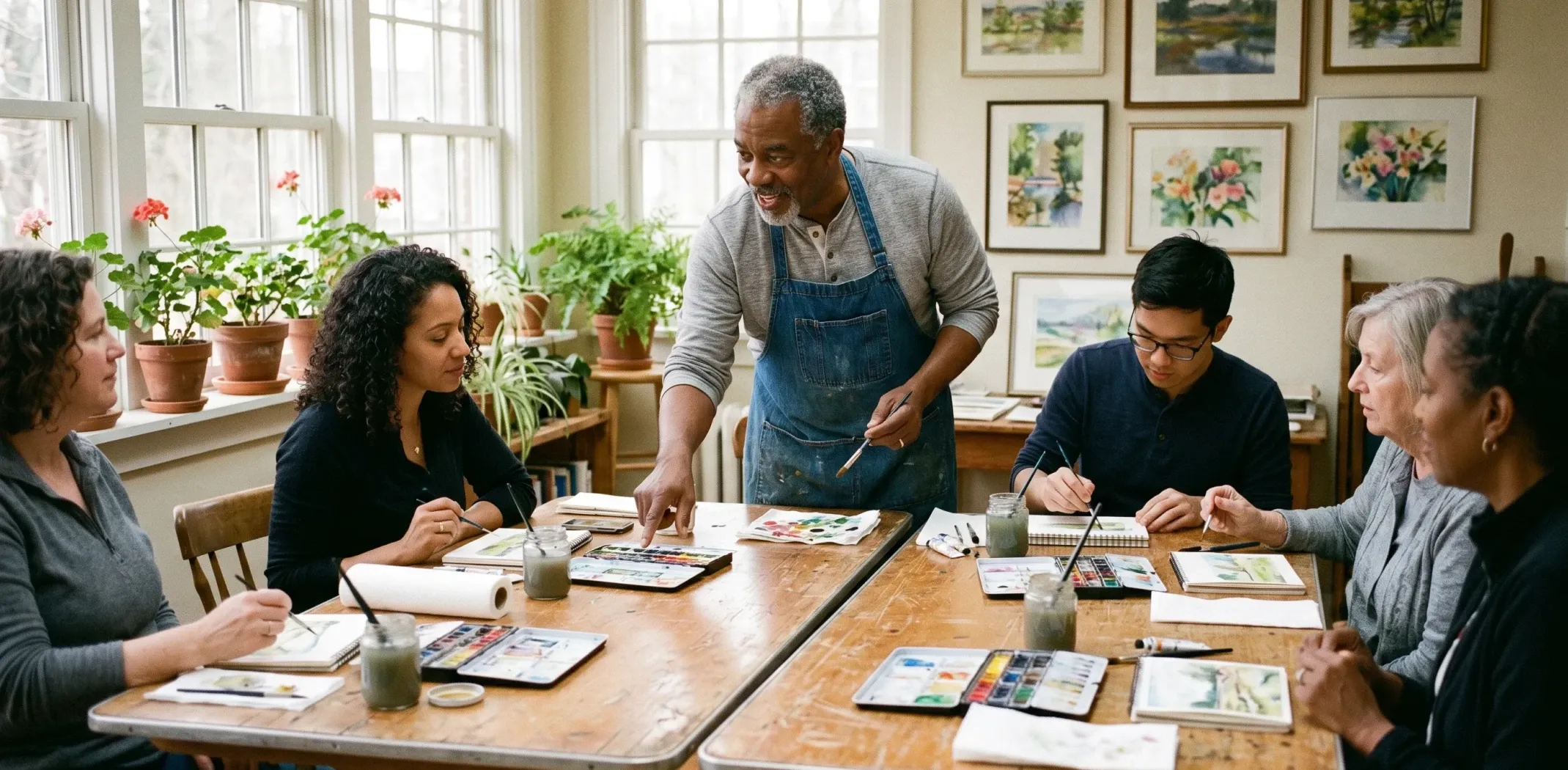
Two Saturday workshops
~$200/month · 🟡 Medium effort · teaching beginners, the part he enjoyed most.
Four channels, opened easiest-first, totalled around $1,420 a month by the sixth month. Enough that his granddaughter’s piano lessons – the $168 a month he used to draw from savings – now come straight from the paintings.
The income counted, and so did the closet finally clearing out. Mavis would have loved watching her birthday gift turn into all of this. That is the quiet gift of a roadmap – it gives years of work somewhere to land.
Why “just put it on Etsy” is only half the advice
“Put it on Etsy” is the reflex tip, and it tells barely half the story. It names a single channel – often not the easiest one for a given person – while ignoring pricing, sequence and whether online selling even suits you. For Otis, the in-person market was the right opener; Etsy followed once he had traction. The channel that earns first is the one that fits your time, inventory and comfort, not the one everybody names on autopilot.
A business coach
$100–$250/hr · weeks · useful, but steep for monetising a hobby.
A “sell your art” course
$50–$300 · hours · one fixed method, not tailored to you.
Free YouTube tips
Free · endless · scattered, no order and no pricing.
Hobby-to-Income Roadmap
$39 · ~5 min · ranked channels, real pricing and a week-by-week plan.
A coach or course has its uses, yet neither typically hands a hobbyist a ranked set of channels, real prices and a week-by-week order built for their exact life. Bridging that gap – from “your work is good” to “open this channel, at this price, this week” – is the entire point.
I am not techy – will selling online be too much for me?
That is the very reason it ranks channels by comfort. Otis is 67 and cautious with technology, so his plan opened in person at a farmers market and parked the online shop for later. The roadmap meets you where you are – simplest channel first, the screen-heavy ones only when you feel ready.
What other hobbyists did with the same roadmap
Otis’s story repeats among retirees with a craft: the skill and the inventory were already in hand – the plan was the only missing piece.

“Thirty years at the pottery wheel and not one pot ever sold. The plan opened Etsy and local craft fairs in the right sequence. By the fourth month I was around $890 a month.”
Linda Castillo · retired schoolteacher, Phoenix AZ
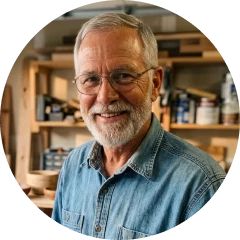
“Woodworking filled my retirement. The plan laid out a workshop track and commissions and named the prices to charge. I am running near $2,100 a month these days.”
Tom Bauer · retired engineer, Milwaukee WI
On top of the channel plan, Hobby-to-Income Roadmap throws in the platform tool-stack, listing and caption templates, a commission-pricing calculator, and unlimited re-runs – so you can map a second craft, or re-plan as your inventory and free time shift.
Different crafts, different ages, the same opening move: quit waiting for permission, fit the work to channels that suit you, and open the easiest one first.
How to make money from a hobby in retirement: the 5-step playbook
If you are retired with a closet of work and no idea where to begin, here is the order that changes it – the same one the Roadmap walks you through:
Count your inventory and your hours
Tally what you have already finished and the time you can spare each week. In retirement, a closet of completed work is a head start most new sellers would envy.
Fit the channels to who you are
Prints, originals, commissions, workshops, in person or online – rank them by effort-to-income and by your own comfort, not by whatever is fashionable.
Set prices off real comparables
Check what comparable prints, originals and commissions truly fetch, then price within that band. Underpricing is the error nearly every hobbyist makes at the start.
Open the lowest-effort channel first
Launch a single channel, gather a few sales and some confidence, then add the next. Starting with the easiest win creates momentum rather than overwhelm.
Layer channels across six months
Bring in the next channel only once the previous one is steady. A week-by-week sequence turns “sell my art” into a calm run of small, doable launches.
Otis did not remake himself or chase a fad. He matched 36 years of paintings to four channels, opened the easiest first, and emptied a closet over six months. The same sequence is open to anyone sitting on work they have never tried to sell.
That is the heart of it: your work is already good enough – what it needs is a channel, a price and a first step, opened in order rather than all at once.
Learn how to make money from a hobby in retirement – the same ranked channels, real pricing and 6-month plan Otis used to turn a closet of paintings into $1,420 a month.
*Individual results may vary.