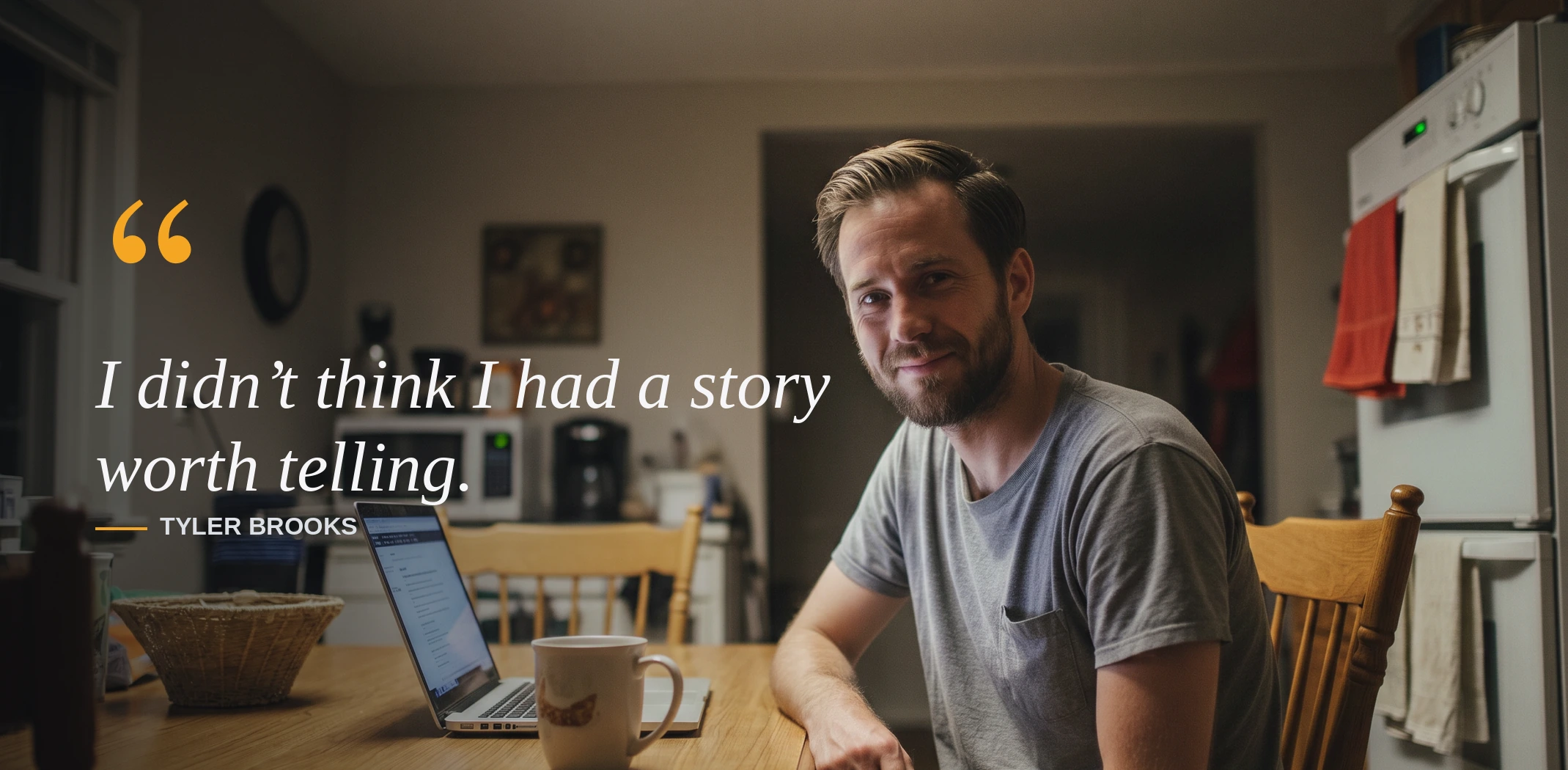
Tyler Brooks was a logistics coordinator at a mid-sized freight company in Austin, Texas – the kind of job that wasn’t exciting, but paid the bills, kept his family comfortable, and felt stable enough not to question. Then, on a Tuesday afternoon in October, his manager called him into a conference room and told him the company was downsizing. His position was being eliminated. Two weeks’ notice, standard severance, best of luck.
“I wasn’t panicking yet,” Tyler says. “But I could see panic from where I was standing.”
What happened over the next nine months – a free online store that eventually replaced his salary – is the kind of story that sounds unlikely until you understand exactly how it unfolded.
2 in the morning, looking for a solution
Tyler spent his first week of unemployment doing what most people do: sending out résumés, updating his LinkedIn, reaching out to former colleagues. He got a few responses. Nothing that felt right, or fast enough.
By week two, he’d started looking at side hustles. Not because he’d given up on finding a job, but because he needed something – anything – moving in a forward direction while he waited.
“I’d looked at freelancing, dropshipping, print-on-demand, all of it,” he says. “Most of it either required skills I didn’t have or money I didn’t want to spend before I’d made a single dollar.”
It was nearly 2 AM on a Thursday when he came across Sellvia. A free online store – fully built, products already loaded, payment system active. And a $100 gift on top of it.
He read it twice. Then he read the FAQ.
“It said 14-day free trial, cancel anytime. I thought, what exactly am I risking here? I signed up right then.”
A store that was ready before he was
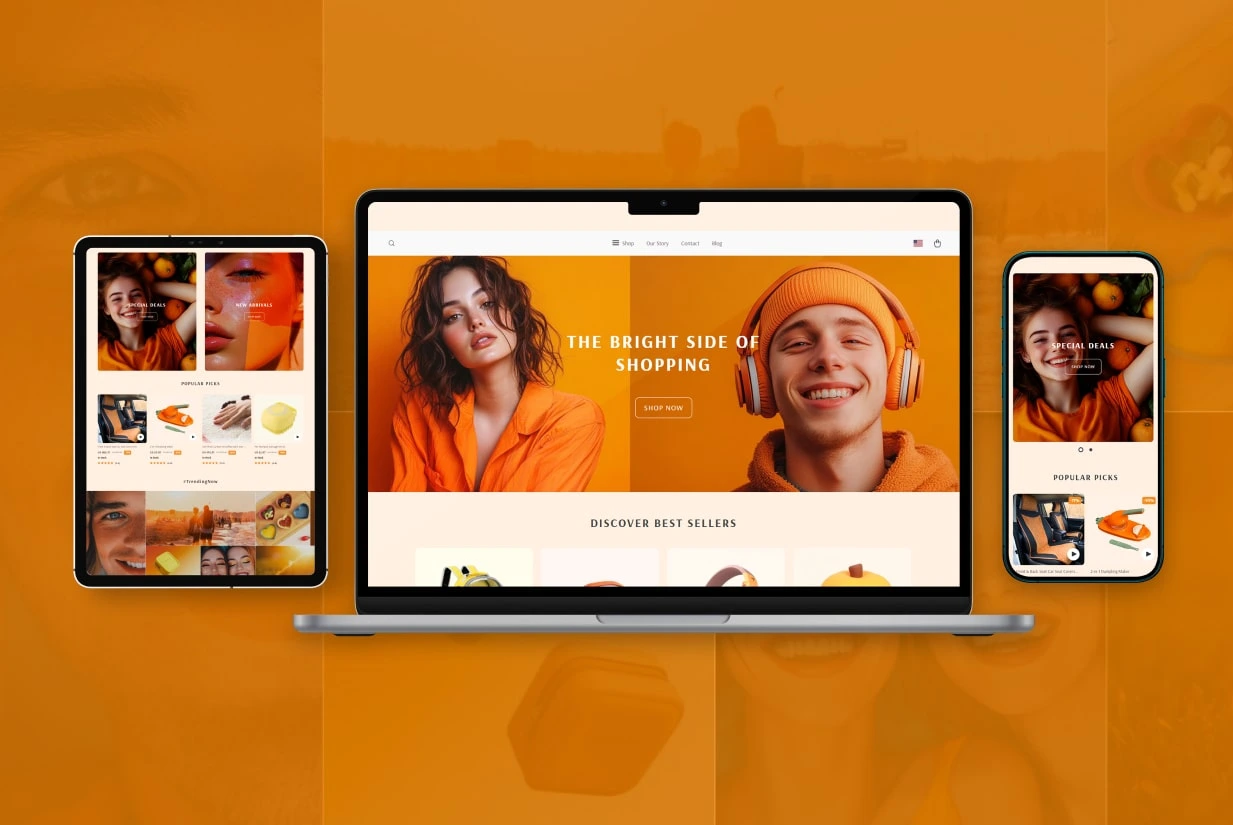
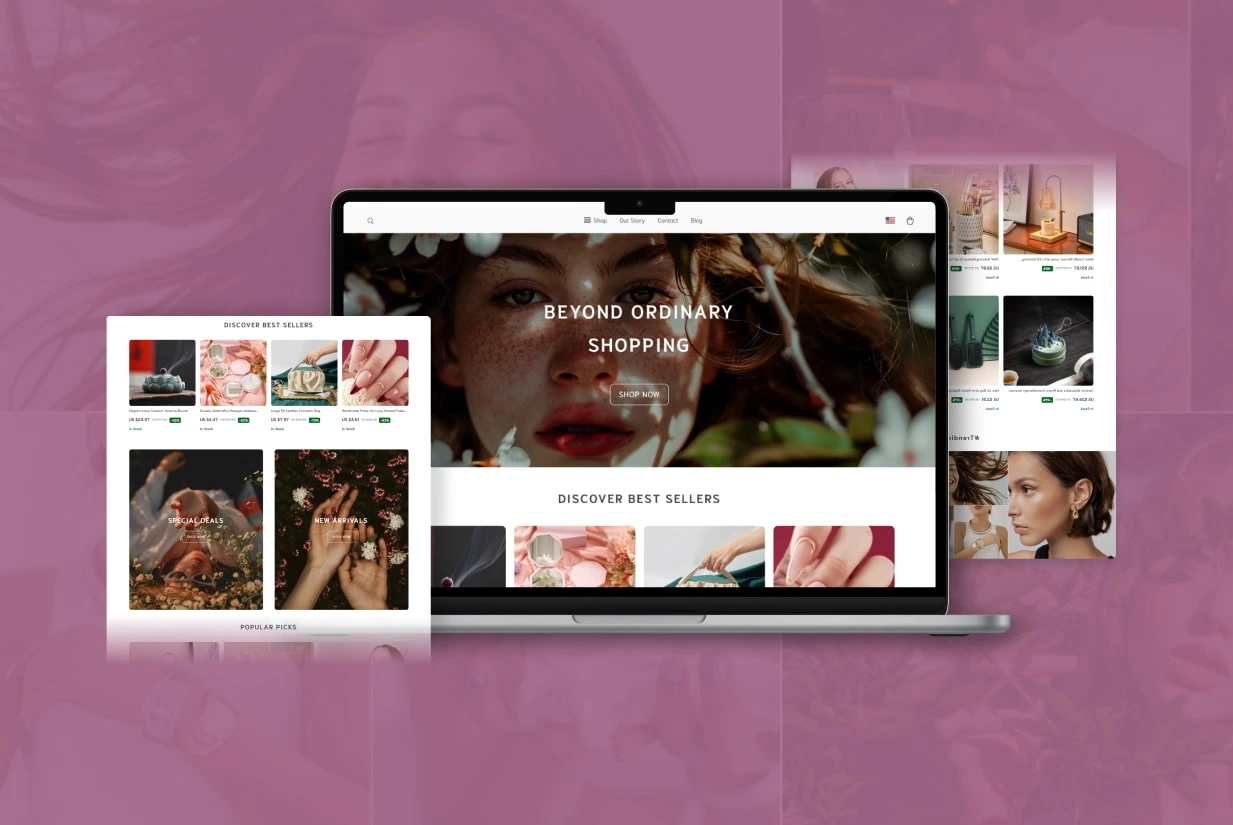
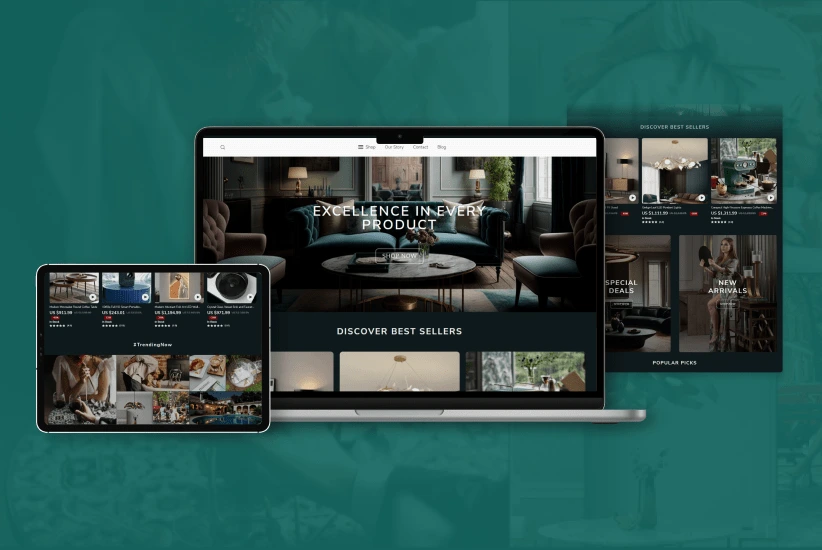
Tyler filled out the onboarding survey the same night – his niche preferences, domain ideas, design style. In 5 minutes, he had a fully functional ecommerce store in his inbox.
He spent the first few days just learning how it worked. His personal manager, a Sellvia team member named Daniel, walked him through the dashboard, helped him understand how dropshipping fulfilled orders automatically, and suggested which product categories to focus on first based on current demand.
“I kept waiting for the part where it got complicated,” Tyler says. “It never really did. The online store was just… ready. I didn’t build anything. I just had to learn to drive it.”
When it comes to promotion, Tyler made a decision to do it himself. He likes it that way and finds it challenging, but in a good way. Speaking of that – Sellvia can do auto promotion for you, in case you don’t want to deal with it, unlike Tyler.
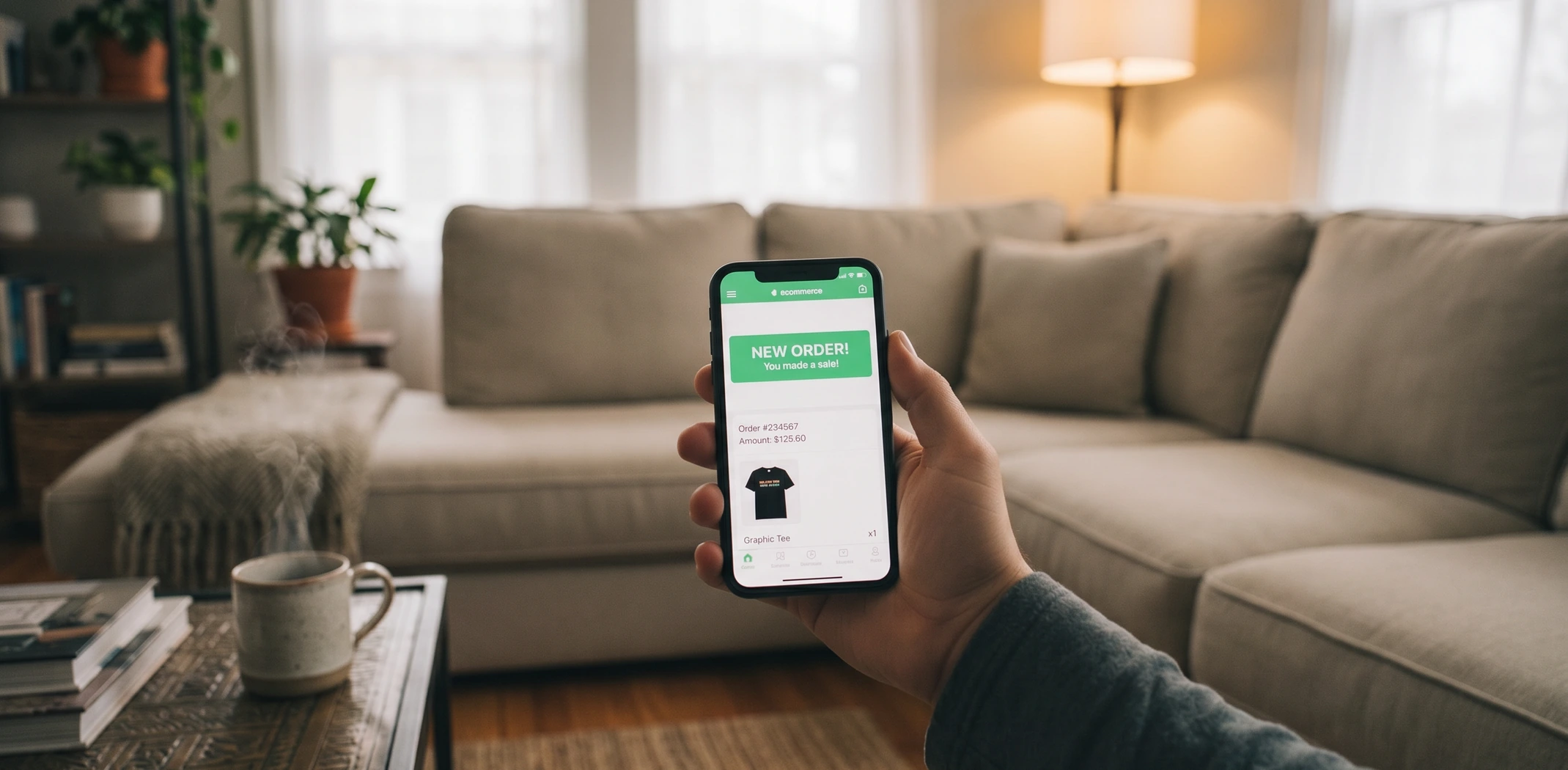
He made his first sale on day nine. A customer in Denver bought two items. The order processed automatically. Sellvia handled fulfillment. Tyler’s cut landed in his account.
“I texted Amanda: I just made $47 while sitting on the couch. She sent back a string of question marks.”
Tyler’s first full month of sales totaled $1,340 – modest, but more than he’d expected from something he’d started for free. He reinvested most of it into adding new products and refining which categories were converting best.
*Tyler’s own figures, shared with his permission. Individual results vary and depend on the work you put in.
The moment he stopped looking for a job
Tyler had kept his job search half-open for the first few months – applying occasionally, taking a call here and there. Not because he needed to, but because it felt like the responsible thing to do.
In month seven, he got an offer. Good company, salary close to what he’d been making before, stable benefits. He called Amanda and they talked it over for two hours.
“She asked me: if you take it, what happens to the store? And I realized – I’d have to scale it way back. Run it on the side instead of full-time. And I didn’t want to do that. I’d built something. I didn’t want to hand most of my time back to someone else.”
He turned down the offer.
“That was the moment I actually believed this was real. Not the first sale, not even the gift. Turning down a job to keep doing this – that’s when I knew.”
What Tyler has to say to people in his position

Tyler still talks to his Sellvia manager regularly. He’s since hired a part-time virtual assistant to help manage customer inquiries and has started expanding his catalog into a third niche he’s been testing on a small budget.
When people ask him what advice he’d give to someone who is exactly where he was the night he signed up – scared, out of work, reading the FAQ at 2 AM – his answer is short.
“Just do the thing. The worst case is you cancel before the trial ends and you’re exactly where you started. The best case is what happened to me. And the only difference between those two outcomes is whether you click the button.”
How to claim the free store
What Tyler got is available to anyone who claims a Sellvia store. Here’s how it works:
- You claim a free turnkey online store – fully built, product catalog loaded, professional design applied, payment system live. The regular price for a store like this is $1,199. Through this offer, it costs nothing.
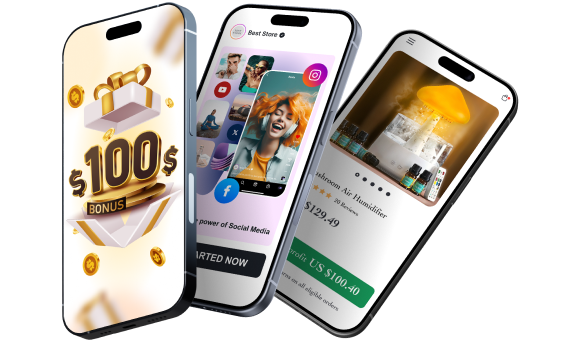
- You automatically get a $100 gift to spruce up your store according to your wishes.
- You also receive a free Amazon Seller Kit (regular price $399) with everything you need to start listing your products on Amazon alongside your Sellvia store.
The store Tyler built started with the same setup you’d get today. The products, the platform, the personal manager – all of it is the same. What each store owner does with it from there is up to them.
Take the step towards better future
Tyler Brooks was not a business person. He was a logistics coordinator who got laid off and needed something to work. He found Sellvia at 2 in the morning, signed up on a gut feeling, and nine months later was turning down job offers to keep running his store.
That same starting point is available right now, to anyone willing to claim it. A free store, free for 14 days to try. The only thing standing between you and this is the decision to start.
Free for 14 days. After your trial, $39/month. Cancel anytime – no charge. *Individual results vary and depend on the work you put in.
![How Much Does It Really Cost To Start Selling Online? [Explained]](https://sellvia.com/wp-content/uploads/2025/11/cover_-How-much-does-it-cost-to-start-min.jpg)