If you have been searching for new product ideas to sell online, you are already ahead of most people. The real challenge is not finding products – it is finding the right ones before everyone else does. In 2026, trends are moving fast. The gap between a winning product and a saturated one closes in weeks, not months.
Quick Answer: The best new product ideas to sell online in 2026 fall into five main categories: wellness and self-care, smart home accessories, eco-friendly everyday items, pet products, and digital lifestyle tools. Each of these niches has proven buyer demand, steady growth, and real income potential for anyone willing to put in consistent effort.
This guide covers the most promising product categories, how to check whether your ideas actually have buyers behind them, and realistic earning potential for each approach. Whether you are just starting out or looking to add new income streams, you will leave here with a clear shortlist and a path forward.
What are new product ideas and why do they matter in 2026?
A “new product idea” does not have to mean something that has never existed before. More often, it means a product entering a new audience, solving a familiar problem in a fresh way, or riding a rising trend before it peaks. The best new product ideas share three things: growing demand, manageable competition, and healthy profit potential.
In 2026, starting an online business is more accessible than ever. You do not need a warehouse. You do not need to buy inventory upfront. Digital tools and platforms make it possible for anyone to start selling from home with very little experience and almost no startup cost. What separates the sellers who succeed from those who give up early is not talent – it is research and timing.
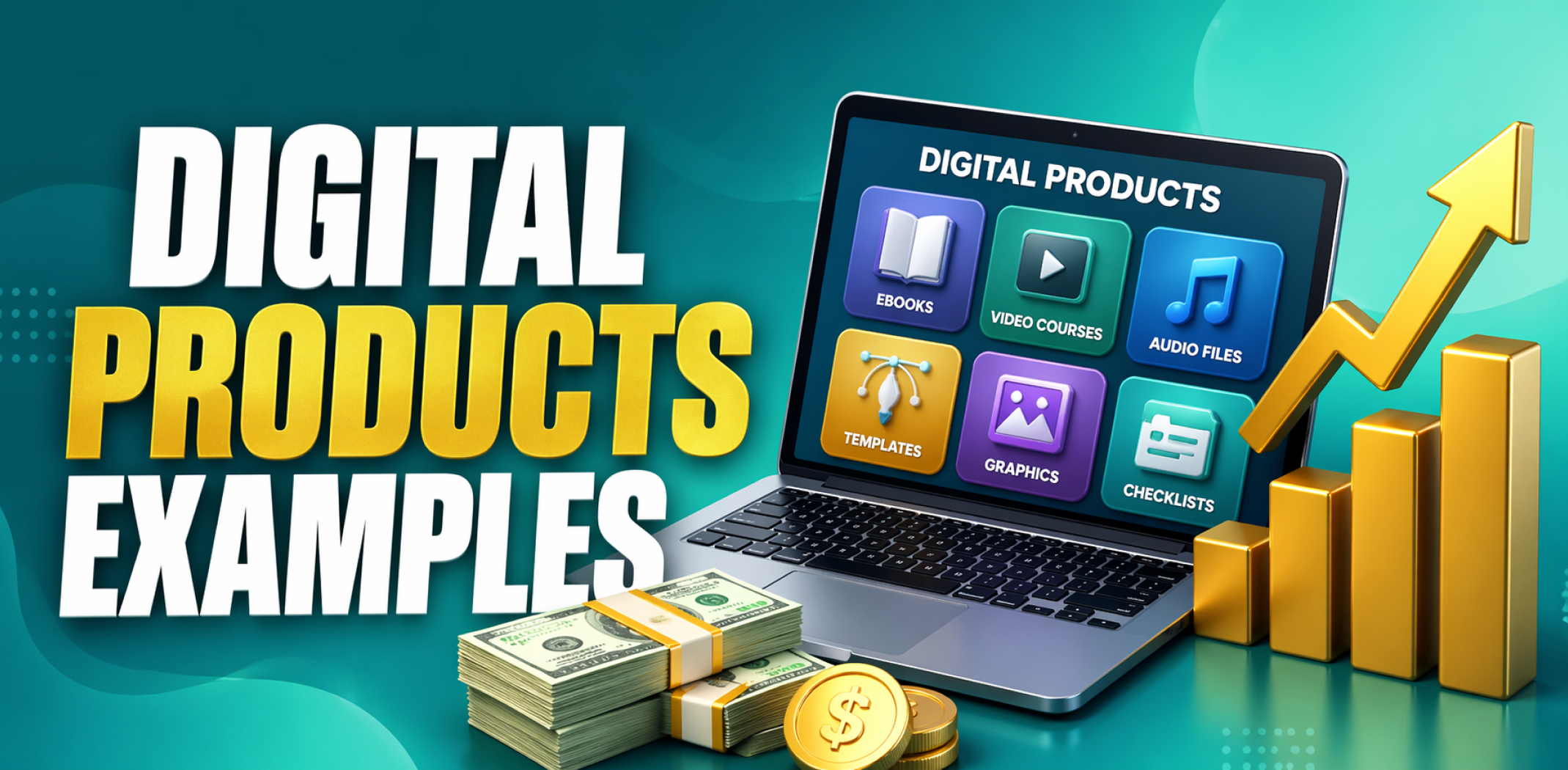
The fastest-growing online business model right now involves selling digital products: guides, courses, checklists, and tools that customers download instantly after purchase. No shipping. No logistics. No physical stock. That means your new product ideas can go from concept to live store in a matter of days, not months.
How much can you realistically earn selling new products online?
Earning potential from selling new products online depends on your niche, how early you enter a trend, and how consistently you drive traffic to your store. Here is a realistic breakdown across the most common approaches:
These are realistic ranges for sellers who stay consistent. A focused store built around 5–10 solid products typically hits its first consistent daily revenue within 60–90 days. The most important thing is picking one niche, learning your audience, and not trying to do everything at once.
One note on ceiling figures: The upper ranges above reflect full-time, well-optimised stores – not occasional effort. Most new sellers spend the first 60 days learning the platform, testing what resonates, and refining their store before seeing steady income. That is normal. Treat the early weeks as your learning phase.
The most consistent earners combine a focused niche, a handful of proven products, and a simple traffic strategy on one platform. Whether that is SEO, Pinterest, or short-form video, going deep on one channel almost always outperforms spreading yourself thin across five. Start narrow, then expand once you have data telling you what is working.
The best new product ideas to sell online in 2026
Below are the highest-potential product categories right now, grouped by niche. Each section covers what is driving growth, specific product examples, and what kind of income and competition you can realistically expect.
Wellness and self-care products
The global wellness market is projected to exceed $7 trillion through 2026. Consumer interest in at-home health tools, stress relief, and personal care has grown every year since 2020. This niche works well for online sellers because the products are visually appealing on social media and carry strong emotional purchase drivers – people buy because they genuinely want to feel better, not just because something is cheap.
Red light therapy devices
Handheld and panel-format red light therapy tools have moved from medical clinics to living rooms. Search volume for home red light therapy has grown over 180% in the past two years. These devices retail between $40 and $300, with profit on mid-range units sitting at 40–60%. The barrier to entry is still relatively low, especially for small panels targeting skin care and muscle recovery.
Earning potential: $50–$120/day with a dedicated store and consistent Instagram or Pinterest content.
Fascia guns and percussion massagers
Percussion massagers are now a staple in the wellness category, but sub-niches – jaw massagers, foot massagers, and scalp tools – are still growing fast. Budget versions under $30 attract impulse buyers and perform strongly on social. Targeting a specific group (athletes, desk workers, people over 50) keeps competition manageable even in a crowded category.
Herbal supplement accessories
While supplements themselves are heavily regulated, supplement accessories – pill organizers, tincture droppers, herb grinders, and dosing tools – are not. These items are in consistent demand from the growing natural health audience and easy to market without making medical claims. The niche skews toward buyers who are already spending regularly on health, which means repeat purchases are common.
Smart home and tech accessories
Smart home product adoption has reached mainstream status. Over 60% of US households now own at least one smart device. The accessories market around these devices is where the best new product ideas live for online sellers – phone mounts, cable management solutions, smart plugs, LED strip systems, and space-saving desk gadgets all perform strongly and stay in demand year-round.
Magnetic cable organizers and charging stations
Desk setup culture – driven by remote work and content creation – has turned cable management into a genuine consumer category. Magnetic cable clips, under-desk trays, and multi-device charging stations are perennial sellers. Products costing $3–$8 to source retail consistently at $18–$35, leaving healthy room for profit.
Why this works in 2026: Home office setups are now expected to look polished on video calls, which keeps demand for clean desk accessories steady regardless of broader tech trends.
Mini projectors and portable screens
Compact projectors have dropped in price dramatically. Models under $60 now produce usable image quality and are popular for bedroom use, camping, and dorm rooms. Search demand is growing year on year, and the gifting angle makes them strong performers in Q4. Average selling price sits between $50 and $120 for entry-level models – a price point that encourages impulse buying.
LED grow lights for indoor plants
Indoor plant ownership exploded after 2020 and has stayed elevated. LED grow lights are a direct accessory to that trend – affordable, visually interesting, and genuinely useful. Full-spectrum panels retailing at $25–$60 are the sweet spot. The niche skews toward millennial and Gen Z buyers who are highly active on Pinterest and Instagram, which makes organic content very effective here.
Eco-friendly and sustainable everyday items
Sustainability is no longer a niche preference – it is a mainstream purchase driver. A 2025 NielsenIQ study found that 73% of global consumers say they would change their buying habits to reduce environmental impact. Products in this category sell on values as much as function, which makes storytelling and honest copywriting particularly powerful tools for building a loyal audience.
Reusable beeswax wraps and silicone food storage
Single-use plastic replacements have become one of the fastest-growing categories online. Beeswax wraps, silicone stretch lids, and reusable snack bags are lightweight, affordable, and have strong gifting potential. Average order value increases significantly when these are sold as bundles rather than individual items – a simple strategy that boosts your per-order income without adding complexity.
Bamboo and cork home accessories
Bamboo kitchenware, bathroom accessories, and cork organizers remain consistently strong sellers with very low return rates. Buyers in this niche tend to be intentional and research-led, which means SEO-driven stores perform especially well here. Product variety is wide, making it easy to build a collection-style store with multiple items serving the same customer.
Solar-powered outdoor gadgets
Solar lanterns, portable solar chargers, and solar garden lights have grown significantly with the rise of outdoor lifestyle content and sustainability awareness. These products photograph beautifully, which drives strong social traffic. They appeal to campers, homeowners, and eco-conscious buyers across a wide age range.
Earning potential: $35–$100/day for a focused eco-home store with consistent Pinterest or Google Shopping traffic.
Pet products
Pet industry spending in the US alone exceeded $150 billion in 2024 and continues to grow. Pet owners are loyal buyers, spend above average on their animals, and are active in online communities – which makes organic and social traffic particularly effective. This is one of the most reliable niches in all of online selling, and it offers some of the best new product ideas available right now for both beginners and experienced sellers.
Interactive and slow-feeder pet toys
Puzzle feeders, lick mats, and interactive toys for dogs and cats have seen explosive growth driven by pet behaviorists and vet-backed social content. These items solve a real problem – boredom, anxiety, fast eating – which makes the value easy to explain. The target buyer is emotionally invested in their pet’s wellbeing, which leads to less price resistance and more repeat purchases.
Pet grooming tools
Self-cleaning slicker brushes, deshedding gloves, and nail grinders for pets continue to be top-performing items year-round. Video demonstrations drive enormous organic reach on TikTok and YouTube Shorts. The audience is huge, emotionally motivated, and willing to spend on tools that make their lives easier – which is exactly the kind of buyer you want in your store.
Pet travel accessories
Collapsible water bowls, car seat covers, pet backpacks, and portable feeding kits appeal to the growing number of pet owners who travel with their animals. The category is broad enough to build an entire niche store around, and seasonal spikes during summer and holiday periods provide reliable bumps in demand.
Why this works in 2026: Pet humanisation – treating pets as family members – continues to drive spending growth across all sub-categories, with no sign of slowing down in any current trend data.
Digital lifestyle and productivity tools
Physical products that support the digital lifestyle – from ergonomic accessories to content creator tools – have grown alongside remote work and the creator economy. Buyers in this niche tend to be higher earners, research before purchasing, and are willing to pay a premium for anything that genuinely improves their workflow or home setup.
Ergonomic desk accessories
Laptop stands, wrist rests, monitor arms, and under-desk footrests have become standard home office equipment. The niche opportunities lie in aesthetics and materials – bamboo, minimalist white, or gamer-style designs each serve distinct audiences. Average order values are high because buyers often purchase several items in one session, which increases your per-customer income without extra marketing cost.
Content creator accessories
Ring lights, phone tripods, desk microphone stands, and green screens are in consistent demand. The creator economy now includes millions of amateur and semi-professional creators who need affordable entry-level gear. Products in this space are relatively cheap to source, have strong visual appeal, and are easy to demonstrate in short-form video content – which makes organic marketing natural and effective.
Blue light blocking glasses and screen accessories
Blue light glasses have gone fully mainstream, but growth continues in stylish fashion-forward frames, children’s variants, and clip-on versions for prescription wearers. Average selling prices sit at $18–$45, with sourcing costs of $3–$8. This is one of the most accessible entry points for new sellers due to universal demand and low minimum order quantities.
Earning potential: $50–$180/day for a well-positioned productivity or creator tools store with SEO content or YouTube product review traffic.
How to validate a new product idea before launching
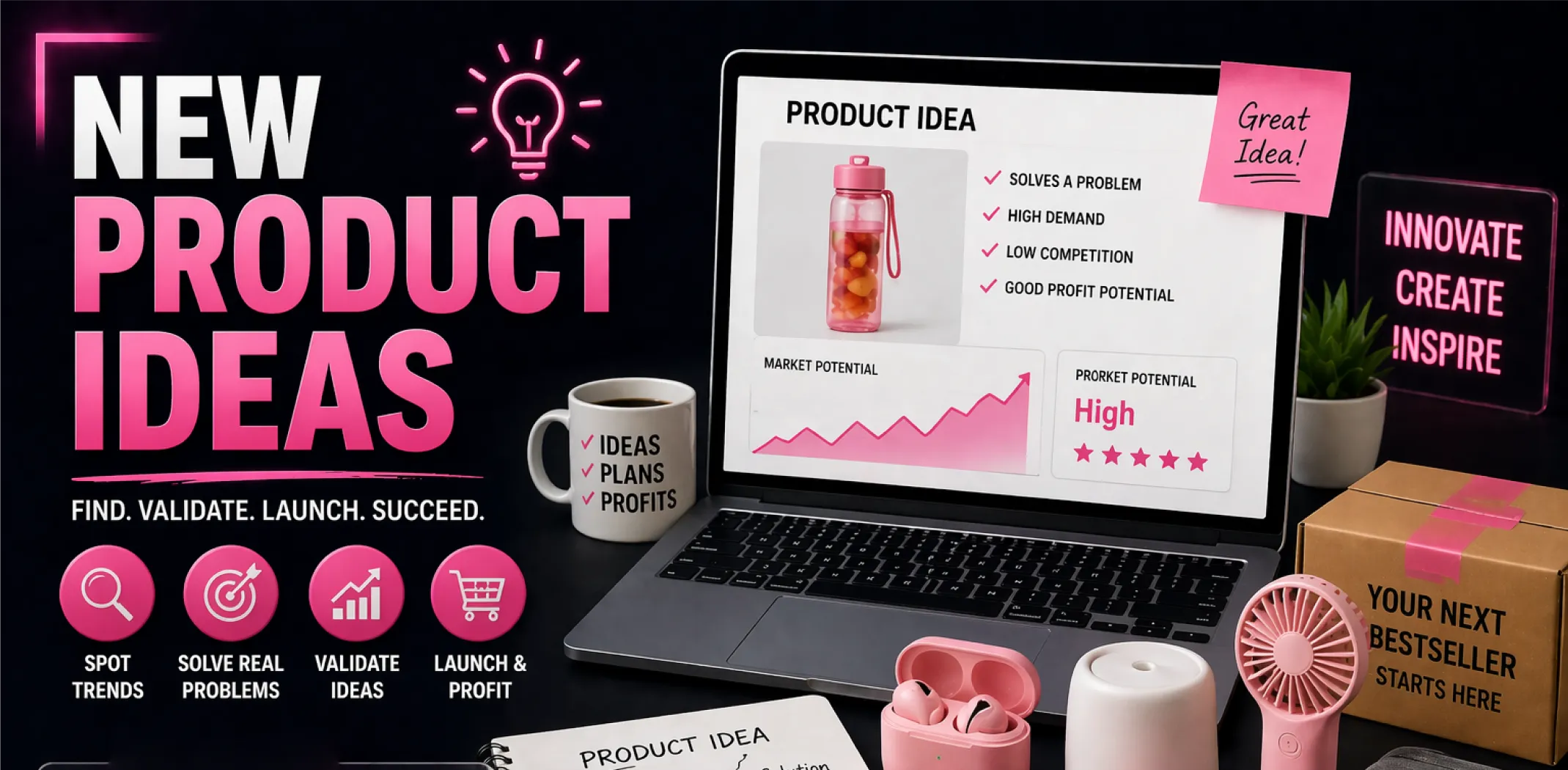
Even a promising product idea can fail if you launch into a saturated market or choose something with weak repeat purchase potential. Here is a simple validation framework that takes less than two hours per product and can save you weeks of wasted effort.
Run every product through this checklist before committing to it. A product that passes all five checks is worth testing. One that fails two or more is likely to underperform regardless of how well you build your store around it.
Using search trends to spot new product ideas early
Google Trends is one of the best free tools available for product discovery. Search your product idea and look at the trend line over the past 12 months. A rising or steady line signals genuine sustained interest. A spike-and-crash pattern often means a passing fad rather than a durable niche. Filter by country (United States) to stay relevant to your core buyer base.
Look specifically at when interest started growing. A product that has been climbing steadily for 6–12 months is in the ideal validation zone – proven demand that has not yet peaked. Combine that with low competition on Google Shopping, and you have a genuinely strong opportunity worth acting on quickly.
Using social media to confirm buyer intent
TikTok and Pinterest are not just marketing channels – they are product research tools. If a product is appearing in multiple organic videos from different creators with no paid promotion and generating genuine engagement (comments, saves, reposts), it is in the early adoption phase. That is exactly where you want to enter.
Search for the product on TikTok and filter by “This week.” Multiple videos from diverse creators with growing comment engagement is a strong green light. On Pinterest, look for a product that has hundreds of saves but relatively few dedicated boards or stores built around it – that gap is your opportunity. Move within days, not weeks.
Tips for turning new product ideas into real income
Build around a niche, not a single product
The most resilient online stores are built around a customer type or lifestyle, not a single trending item. A “desk setup” store can sell multiple accessories to the same customer over months. A “pet wellness” store serves loyal buyers across dozens of related products. When one item fades, the store survives because the audience stays. A single-product store has nowhere to grow once the trend passes.
Price for value, not just competition
New sellers often underprice out of fear. But in most niches, buyers associate low prices with low quality. Products that solve a real problem – back pain, pet anxiety, cable clutter, screen fatigue – can support a $35–$60 price point without resistance, especially when paired with clear benefit-led descriptions and strong visuals. Do not race to the bottom. Race to the clearest explanation of why your product is worth it.
Start with three to five products, not fifty
A focused launch with a handful of well-researched products outperforms a bloated store with hundreds of poorly validated items every time. You can drive targeted traffic, write specific product descriptions, and create content that actually resonates with your audience. Fifty products with generic descriptions and no traffic strategy is not a business – it is a catalogue no one visits.
Test with organic content before spending on ads
Before putting budget behind paid traffic, post three to five pieces of organic content per product. A short video showing the product in use, a keyword-rich Pinterest pin, or a simple Instagram reel costs nothing but your time. If organic posts generate saves, comments, or clicks, you have confirmation the market responds. Then put ad budget behind what already works instead of guessing.
Revisit your product list every 90 days
New product ideas do not stay new for long. A product that is a genuine opportunity today can be oversaturated in three months. Set a regular reminder to revisit your store, check which products are selling, and look at what is trending now that was not on your radar 90 days ago. The sellers who stay ahead are the ones who treat product research as an ongoing habit, not a one-time task.
Legal and ethical considerations when selling new products
Rushing to list a trending product without checking its legal status is one of the most common and costly mistakes new online sellers make. Here is what to check before you list anything in your store.
Avoid trademarked and counterfeit products
Many trending products carry branding that mimics or copies well-known labels. Selling counterfeit goods – even unknowingly – can result in account bans, payment disputes, and in serious cases, legal liability. Always verify that the product you are listing does not use another brand’s logo, name, or distinctive design without authorization.
Key principle: If a product listing shows a recognized brand logo that the supplier clearly did not create, skip it. Source an unbranded version or find a supplier with verified original products.
Check product safety and compliance standards
Certain product categories – children’s items, electronics, food contact materials, and health devices – are subject to safety standards that vary by country. Selling an electronic toy in the EU requires CE certification. Selling a skincare tool in the US may require specific compliance depending on how it is marketed. Always verify that your supplier can provide relevant certifications before listing products in regulated categories.
Be accurate in your product descriptions
Describing a basic LED mask as “clinically proven” or a supplement accessory as “medically recommended” crosses into false advertising. Beyond the ethical problem, it drives high return rates and negative reviews that compound over time and damage your store’s reputation. Describe what the product does based on what it actually delivers, not what you hope buyers will assume.
Important: Trustpilot and Google reviews are among the first things buyers check. A pattern of overpromising generates refund disputes that are very hard to recover from.
Respect intellectual property in your marketing
Do not use images, videos, or content from other sellers or brands without permission. This applies to competitor product photos, influencer posts you did not commission, and images taken from Pinterest or Instagram.
Use supplier-provided assets, create your own content, or use royalty-free sources like Unsplash and Pexels for lifestyle backgrounds. This is not just about avoiding legal risk – it is also about building a store that looks and feels trustworthy to buyers.
How to choose your new product ideas based on where you are now
Complete beginner
If you are starting with no experience, begin with a single niche that genuinely interests you. Wellness accessories, eco-friendly home products, or pet supplies are all good starting points – the audiences are large, the products are easy to explain, and the buyers are motivated.
Avoid electronics, supplements, and heavily regulated categories until you have at least one successful product cycle behind you. Your goal in the first 90 days is your first sale, not your first thousand.
Intermediate seller (part-time)
If you have sold online before, the next move is identifying one underserved sub-niche within a growing category. Ergonomic accessories for remote workers over 50, pet products specifically for senior dogs, or solar gadgets for outdoor enthusiasts are examples of angles that reduce competition while increasing relevance for a specific buyer.
Part-time sellers get the most mileage from SEO and Pinterest – both of which build traffic over time without requiring daily ad spend.
Advanced / full-time goal
If your goal is full-time income within 12 months, focus on product categories with repeat purchase potential and higher average order values. Pet products, home office gear, and wellness tools all meet this criteria. Build toward a store with a recognizable identity, a growing email list, and a product range of at least 10–20 items. Run paid traffic on your two or three best performers and let content marketing drive the long tail.
The online income opportunity in 2026 is substantial, but it rewards preparation over impulse. Sellers who research carefully, enter trends early, and build stores around real audience needs consistently outperform those who list whatever is trending this week without a plan behind it. Use the categories and framework in this guide as your starting point – and give yourself a realistic 60–90 day runway before judging results.
Why Sellvia is a game-changer for your online store 🚀
Sellvia isn’t just another ecommerce tool. We are a trusted name in the industry, recognized by Forbes and even ranked in Inc.’s list of the 5,000 fastest-growing companies in the U.S. So if you’re serious about starting as a solopreneur, this is a smart place to begin.
Starting an online business can feel overwhelming, but that’s exactly where Sellvia steps in. It takes care of the tricky parts, so you can focus on making sales and growing your brand. Let’s break down what makes it such a great choice.
Get a ready-to-go store hassle-free 🎯
Want to start selling but don’t know where to begin? No worries! Just share your ideas, and Sellvia’s team will build a free ecommerce website that’s fully set up and ready to take orders from day one. No coding, no stress – just a store that works right out of the box.
A $100 welcome gift to grow your business faster 🎁
Starting a business takes momentum – and Sellvia gives you a head start. When you claim your free store today, you also get a $100 welcome gift to put toward growing your business. Use it to upgrade your store, boost your marketing, or unlock new tools. It is a real dollar value, handed to you on day one, with no catch and no hoops to jump through.
A massive catalog of digital products to sell 🏆
One of the biggest struggles in starting an online business is figuring out what to sell. Sellvia solves that completely. Your store comes pre-loaded with digital products – guides, courses, checklists, and tools – all created by Sellvia. You keep 50–70% of every sale. No inventory. No shipping. No logistics headaches.
Everything in one easy-to-use platform 🔥
Managing an online store shouldn’t be complicated. With Sellvia, you can handle orders, add new products, and even chat with customers – all from a simple and user-friendly platform. No need to mess with confusing tools or deal with unnecessary tech stuff. It’s all smooth sailing.
No upfront costs, just start selling 💰
A big reason people hesitate to start an online business is the cost. But here’s the good news: With Sellvia, you don’t need to invest in stock, storage, or shipping supplies. You can run your store with no upfront costs, keeping things low-risk while still making money.
Support that’s always got your back 🤝
Running a business comes with questions, but you’re never alone. Sellvia’s dedicated support team is available 24/7 to help with anything you need. Whether it’s a small question or a big challenge, they’ve got you covered.
All the new product ideas in this guide pair naturally with a Sellvia digital products store – no sourcing, no inventory, just sales. Claim your free store today and start selling digital products with 50–70% profit per sale.
What are the best new product ideas to sell online in 2026?
How do I know if a new product idea will actually sell?
The most reliable way to validate a new product idea is to run it through a 5-point checklist. First, check Google Trends for a rising or steady line over the past 12 months. Second, count the number of dedicated stores on Google Shopping – fewer than 50 is a positive sign. Third, search TikTok and Pinterest to see if organic content is generating real engagement without paid promotion. Fourth, compare your expected sourcing cost to retail prices and confirm at least a 3x income multiple is achievable. Fifth, search Reddit and relevant Facebook groups to see if real buyers are actively discussing or recommending the product. A product that passes all 5 checks is worth testing with a small amount of traffic.
Can I start selling new products online with no money?
Starting with very little upfront investment is possible when you sell digital products, where you do not purchase inventory or handle any physical delivery. The main costs involved are a store platform and any marketing you choose to run. Some platforms offer a free store option specifically to reduce the startup barrier for new sellers. Organic marketing through TikTok, Pinterest, and search can drive traffic at no cost, though it takes more time than paid advertising to produce consistent results. Many successful sellers start with zero ad spend and only invest once they have made their first few sales and confirmed their niche is working.
What niche has the most new product ideas right now?
The pet products niche currently has the highest volume of new product ideas combined with strong buyer loyalty and above-average spending per customer. US pet industry spending exceeded 150 billion dollars in 2024 and continues to grow. Within that niche, the most active sub-categories right now include interactive toys, grooming tools, and travel accessories. The wellness niche runs a close second, with sub-categories like red light therapy tools, percussion massagers, and supplement accessories all showing strong trend growth into 2026. Both niches have broad product ranges, which makes it easier to build a full store rather than relying on a single item.
How long does it take to make money selling new products online?
Most new sellers make their first sale within 30 to 60 days of launching, assuming they are actively driving traffic through content or a small ad budget. Reaching consistent daily income of 40 to 80 dollars typically takes 60 to 90 days with focused effort. Full-time level income – generally considered 200 dollars or more per day – usually requires 6 to 12 months of product testing and audience building. These timelines assume regular daily or weekly activity rather than occasional effort. Sellers who treat the first 90 days as a learning and testing phase, rather than expecting immediate income, tend to achieve better long-term results and stick with it long enough to see their store grow.