



Let’s be honest: not everyone loves social media. Some of you flat-out hate it.
The thought of filming yourself, writing captions, chasing trends, and posting every single day makes you want to close this tab and forget you ever thought about owning a business. If that’s you, this guide is for you.
We’ll cover what actually works for online store owners in 2026, how little you can get away with, and – if you truly want nothing to do with it – how to have the whole thing handled for you. No guilt, no lectures. Just the honest options.

Why you can’t fully ignore it (even if you want to)
This isn’t about guilt. It’s about math.
In 2026, social media is where most product discovery happens. People find things to buy on Instagram, TikTok, and YouTube more often than through a Google search. Stores with active accounts tend to get more visitors, more repeat customers, and more trust than stores without them.
You can still run a store without social media, since paid ads and search traffic work too. But then you’re paying for every single visitor, instead of building an audience that comes back on its own. That’s the real trade-off – a business reality, not a personal failing.
The bare-minimum plan (if you’ll tolerate it)

If you’re willing to do just a little, here’s the smallest plan that still works.
First, pick one platform. For most product stores, Instagram is the easiest place to start. Then post 3 to 4 times a week, using a simple mix: two product photos (your store already has these), one lifestyle or “in use” photo, and one short text post or customer review.
Use a free scheduling tool so you can set up a whole week in one sitting – about 30 to 45 minutes. Don’t worry about Reels, Stories, or going viral. Just show up regularly. This alone puts you ahead of most store owners, who post nothing at all.
The “I’ll do a little more” plan (1–2 hours a week)
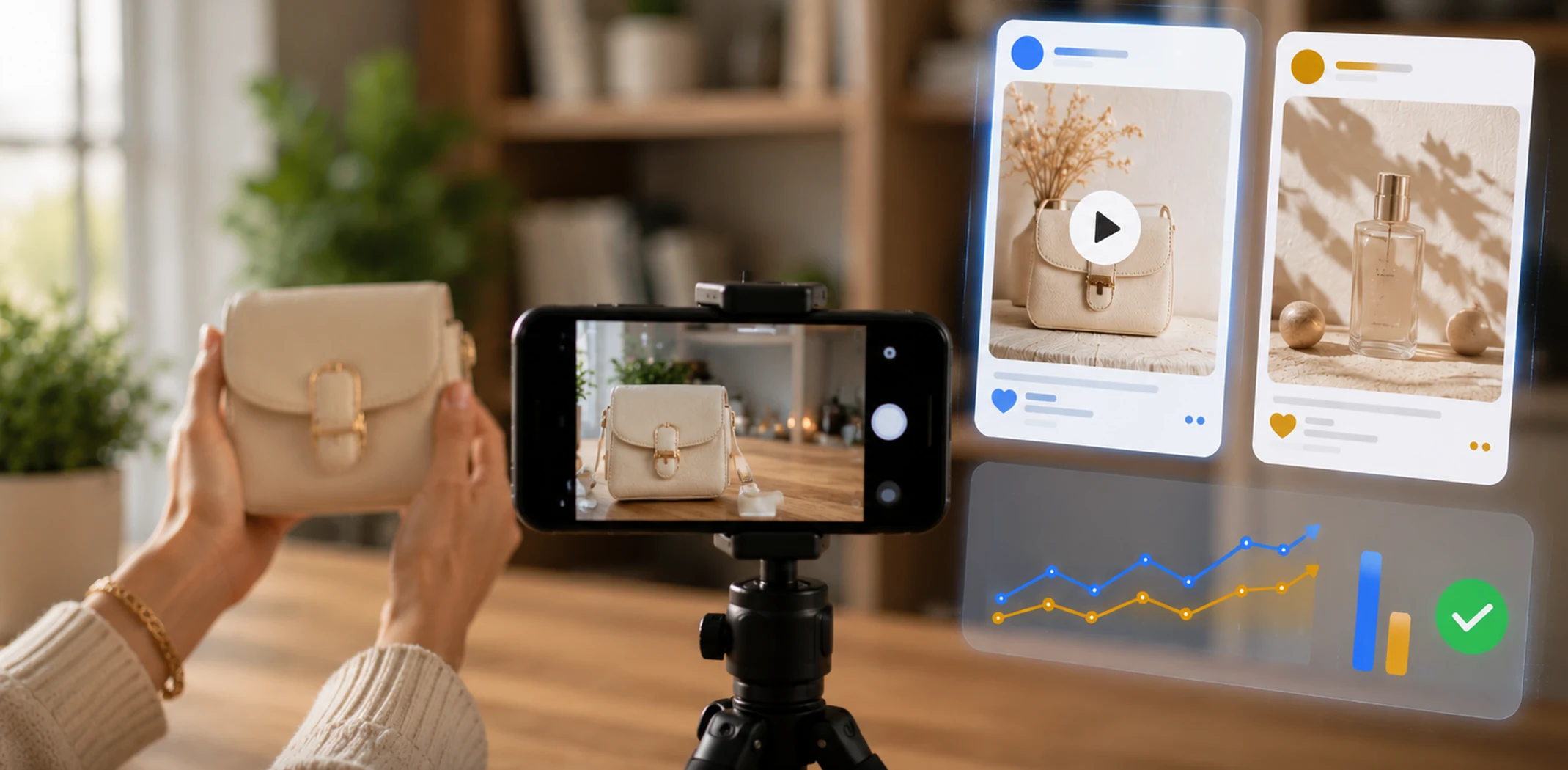
Got a bit more energy? You can step it up slightly.
Add short videos – 15 to 30 seconds, no face required. Just your hands, the product, and some music. Post on two platforms instead of one (Instagram plus TikTok, or Instagram plus Pinterest, depending on your niche). Add a simple link in your bio so followers can join an email list. Then spend about 10 minutes replying to comments after each post.
At this level, you’ll usually start to see real organic traffic build over the next few months. It’s still light work – but it adds up.
The “I really don’t want to touch it” plan
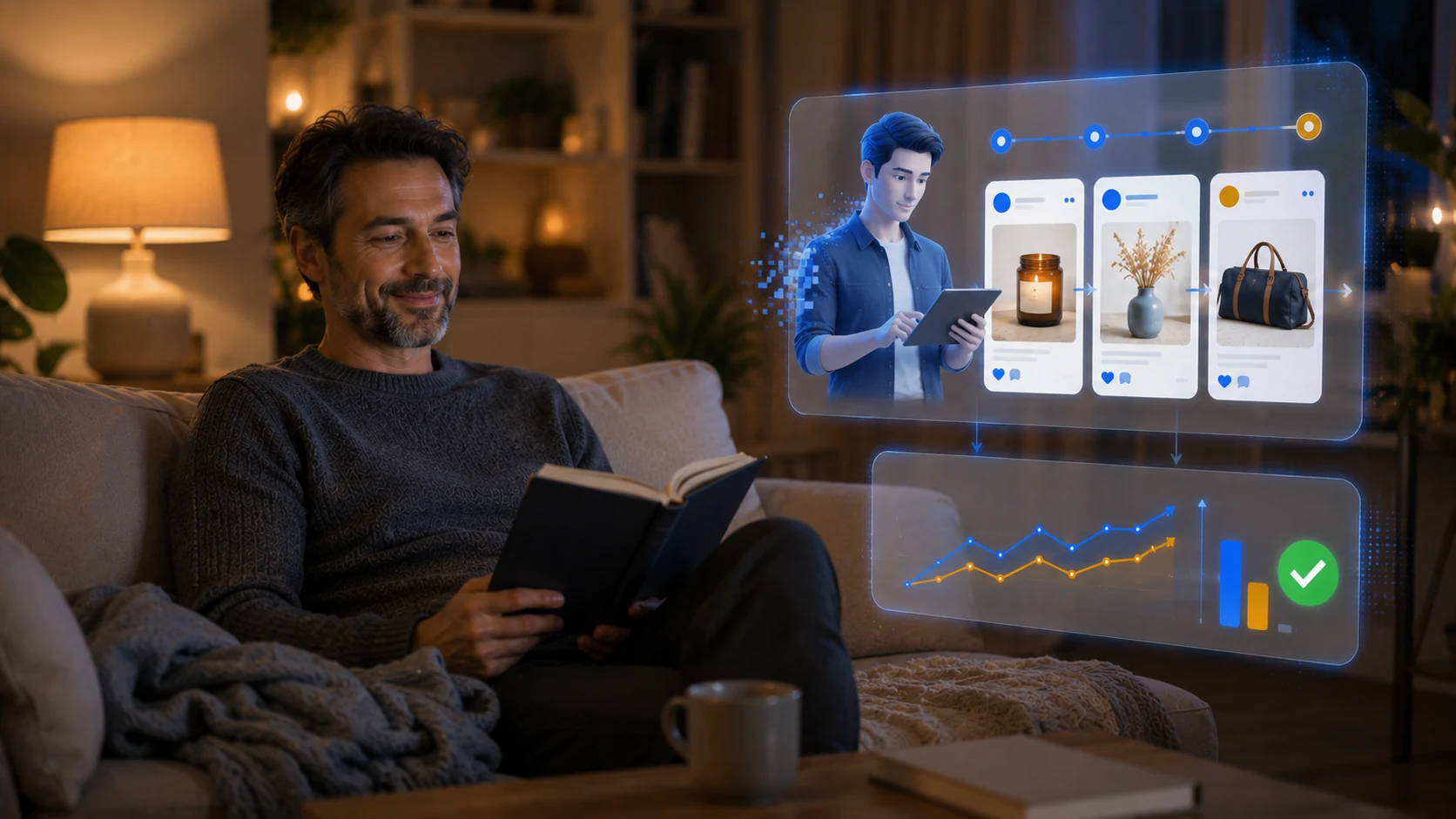
Now for the part some of you skipped ahead to read. If you genuinely don’t want anything to do with social media, you have three real options today:
- Hire a freelance social media manager. Expect to pay somewhere around $500 to $2,000 a month, depending on how much they do and how good they are.
- Use AI tools to create and schedule posts for you. This is cheaper, but you still have to review and approve everything yourself.
- Get a store that comes with its own AI creator built in – a dedicated AI influencer that makes content, posts across platforms, and builds a following for your store without you lifting a finger.
That third option is what Sellvia Market’s AI-Creator stores offer. For someone who hates social media, it’s about as close to “it’s handled” as you can get. You still get a personal growth manager – a real person, not a chatbot – to help you steer it, but the day-to-day posting isn’t on you.
What works on each platform in 2026
You don’t need to be on all of these. Pick the one where your customers already spend time.
- Instagram – product photos, Reels under 30 seconds, and carousel posts that show product details. Best for beauty, fashion, home, and lifestyle stores.
- TikTok – short videos, trending sounds, and “oddly satisfying” product clips. Best for any product that’s fun to watch, plus unboxings and before-and-afters.
- Pinterest – product pins, lifestyle images, and how-to graphics. Best for home decor, DIY, weddings, food, and fashion.
- YouTube – product reviews, comparisons, and longer how-to videos. Best for tech, cars, fitness, and cooking.
- Facebook – community groups, marketplace listings, and an older crowd. Best for local-feeling brands, parenting, and pet stores.
The one thing that matters more than the platform
If you remember nothing else, remember this: consistency beats everything.
A store that posts three okay photos a week for six months will beat a store that posts ten gorgeous photos in week one and then goes quiet. The algorithm rewards showing up. People reward reliability.
So if you can commit to a small, steady rhythm – even just three posts a week on one platform – you’ll see results. And if you can’t commit to even that? That’s exactly why the AI-Creator option exists. There’s no shame in it.

Either way, keep your eye on the real reason you’re doing this: extra income and more of your time back, without a grind that burns you out. A store that quietly builds a following is also worth more if you ever decide to sell it later. And for what it’s worth, Sellvia has been around since 2016 and has helped over 500,000 people start online – you wouldn’t be the first.
If social media really isn’t your thing
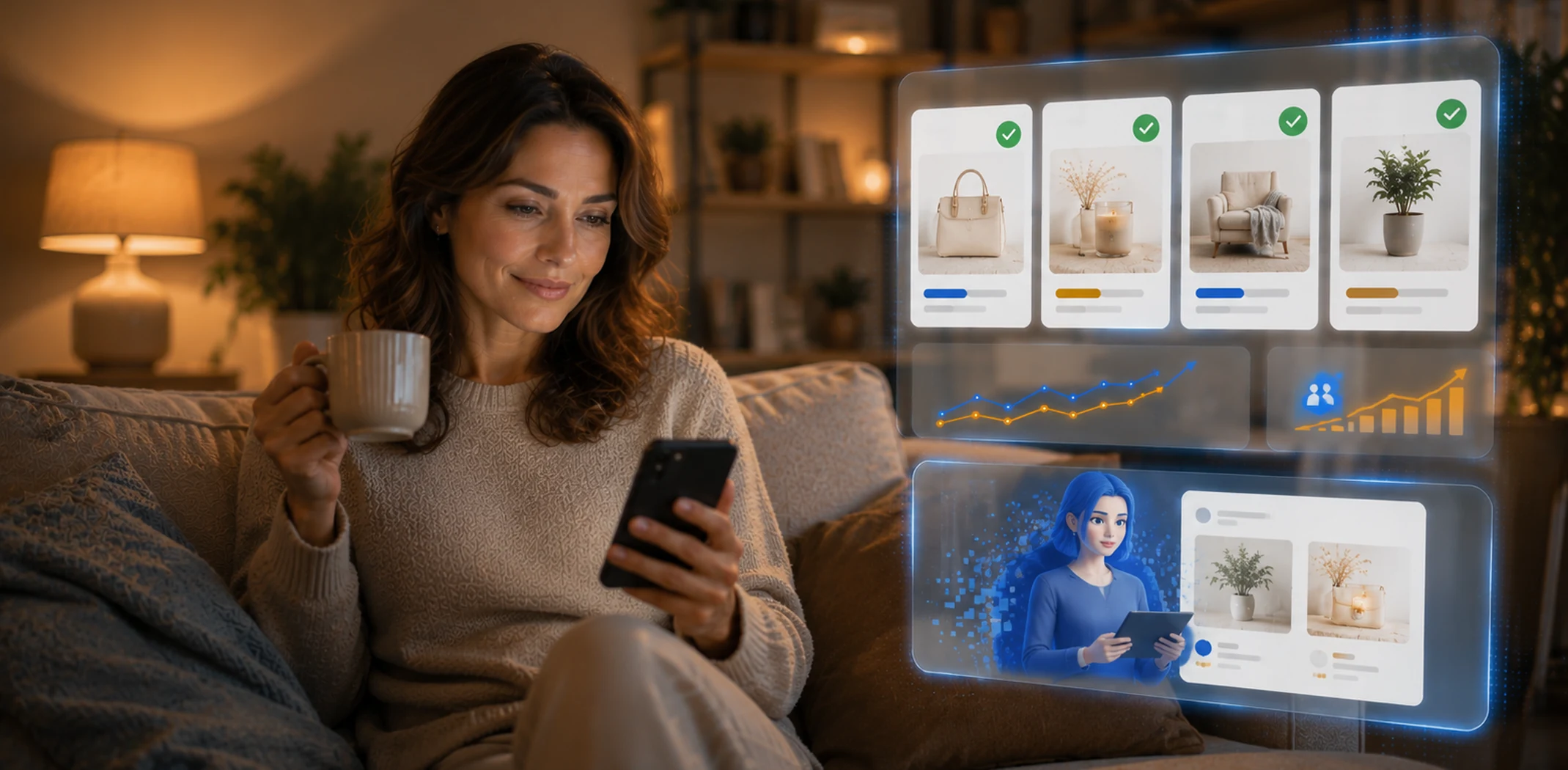
If social media just isn’t for you, that’s okay – there’s a path built for exactly that. You can browse the AI-Creator stores on Sellvia Market, where each store comes with a dedicated AI influencer that handles the content and posting for you.
You can pay in full or split it over 3 or 6 months. Every store is checked by the team using direct dashboard access, so the sales numbers you see are real – and if a transfer ever falls through, you get your money back. Prefer to ask questions first? Book a free call with a growth manager. No pressure either way.
You don’t have to love social media to do well online. You just have to make sure it gets done – by you, or for you.
If you are ready to buy your online store, Sellvia Market was built for exactly this moment. Every listing shows verified performance data, every purchase is protected, and every buyer gets personal support from day one.