You already know the names. Louis Vuitton. Nike. Gucci. Chanel. These are not just clothing companies – they are cultural forces. They shape the way we dress, the way we think about style, and even the way we see ourselves. But what actually makes a fashion brand rise to the top? And more importantly, what can their success teach you about building your own income online?
The top fashion brands in the world have one thing in common: they understood their audience deeply and built something people genuinely wanted. That same principle – finding what people want and delivering it – is exactly what powers today’s biggest online income opportunities.
In this guide, we will walk through the world’s most influential fashion labels, break down what sets each one apart, and show you how that same energy can work for you.
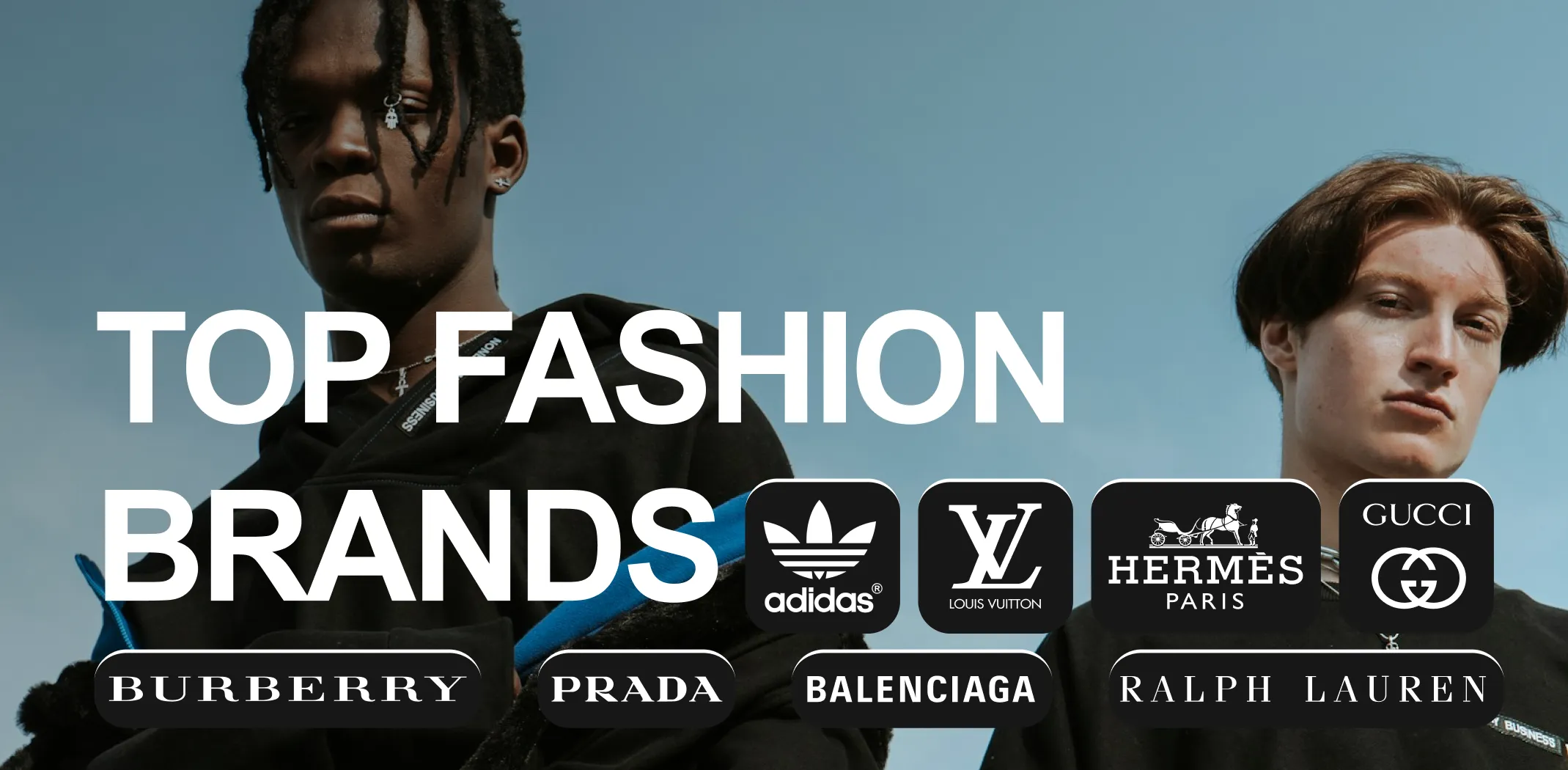
Quick Answer: The top fashion brands right now include Louis Vuitton, Gucci, Chanel, Hermès, Dior, Nike, Adidas, Zara, H&M, Uniqlo, Prada, Ralph Lauren, Balenciaga, and Burberry. Each leads in a different segment – from ultra-luxury to accessible everyday wear – and together they represent the full spectrum of modern style.
What makes a top fashion brand?
Not every brand that sells clothes earns the title of global leader. The ones that do have built something much bigger than a product line. They have built trust, identity, and emotional connection – and they have done it consistently over decades.
Several factors separate the top fashion brands from everyone else. Brand value is one of the biggest. Louis Vuitton and Nike are not just selling bags and sneakers – they are selling powerful identities that carry real financial weight. A recognizable logo can be worth billions of dollars on its own, even before a single item is sold.
Revenue and global reach matter too. The brands at the top are operating in every major market on the planet, from New York to Tokyo. Their products move at scale, and their names are known by people who may never have walked into one of their stores.
Cultural influence is the third factor – and arguably the most powerful. A brand reaches the top tier when its designs show up everywhere: on red carpets, in music videos, on TikTok feeds, and on the street corners of cities worldwide. That kind of visibility does not happen by accident. It is earned through creativity, bold marketing, and a deep understanding of what people actually want to wear.
Finally, there is the question of sustainability and innovation. More consumers now care about how clothes are made and whether a brand has a responsibility beyond profit. The top fashion brands are investing in eco-friendly materials, ethical production, and long-term thinking – because their customers are demanding it.
How much can you realistically earn selling online in 2026?
Before we walk through the top fashion brands themselves, it is worth pausing on a question a lot of readers come here with: can learning about these brands actually help me make money? The short answer is yes – but the path matters.
Selling digital products online through a platform like Sellvia is one of the most accessible income opportunities available right now, and understanding what drives brand value gives you a real edge.
Here is a realistic look at what different approaches can earn:
Results depend on the time and consistency you put in. Most Sellvia store owners who activate the built-in ad system and stay consistent begin seeing their first sales within days. Reaching 500 to 1,000 dollars per month typically takes 60 to 90 days of steady effort – it is not overnight, but it is genuinely achievable.
One note on earning potential: These figures reflect realistic outcomes for part-time store owners. Full-time effort with active ad spend can push earnings significantly higher, but results will always vary based on niche, budget, and consistency.
The top 14 fashion brands shaping style in 2026
These are not just the biggest names – they are the most influential. Each brand has earned its position through a unique combination of heritage, innovation, and cultural impact. Understanding what makes each one great is also a masterclass in what makes any business work.
Luxury fashion leaders
These are the brands that defined modern luxury. They built empires on craftsmanship, exclusivity, and the power of aspiration.
1. Louis Vuitton
Louis Vuitton is consistently ranked as the most valuable fashion brand on the planet. Its iconic monogram is recognized in every major city and on every continent. What makes it so powerful is not just the quality of its products – it is the identity it sells. Buying a Louis Vuitton piece is not just a purchase. It is a statement about who you are and what you value.
The brand has stayed relevant by pairing its deep heritage with bold collaborations. Partnering with artists, designers, and cultural figures from outside the traditional fashion world has brought younger audiences on board without diluting the luxury image that loyal customers have loved for generations.
Why this works in 2026: Louis Vuitton shows that heritage alone is not enough – you have to keep showing up in culture. Brands that stay connected to what their audience cares about today will always outlast those that rely solely on past reputation.
2. Gucci
Gucci thrives on reinvention. From bold maximalist prints to unexpected collaborations, it has built a loyal following among younger consumers who see it as edgy, luxurious, and culturally aware all at once. That combination is rare, and it is exactly why Gucci commands attention whenever it releases something new.
The brand has also made real moves toward sustainability, experimenting with eco-friendly materials and supply chain transparency. It understands that today’s luxury buyer is not just looking for status – they want to feel good about what they are buying and where it came from.
3. Chanel
Chanel stands for timeless elegance. The little black dress and the No. 5 fragrance remain symbols of classic style that have never gone out of fashion. But what keeps Chanel at the very top is its ability to honor its roots while staying relevant for modern audiences.
Its haute couture collections still set the standard at Paris Fashion Week, and its carefully controlled distribution model ensures that buying Chanel still feels like an event. Scarcity, when managed well, is one of the most powerful tools a brand can use.
4. Hermès
Hermès has built one of the most powerful brand stories in history – and it did it by doing less, not more. Its Birkin and Kelly bags have waiting lists that stretch for years. Rather than chasing volume, Hermès keeps production deliberately limited, which keeps demand permanently high and brand value consistently strong.
This approach proves something important: you do not have to sell to everyone to build a wildly successful business. Finding the right audience and serving them exceptionally well is often worth more than trying to reach the whole market.
5. Dior
Dior walks a line that very few fashion houses manage to hold: it is both a haute couture institution and a brand with genuine mass appeal. Its handbags – particularly the Lady Dior – are bestsellers across multiple continents, and its cosmetics division expands its reach far beyond the runway.
What sets Dior apart is its ability to speak to multiple generations at once. A grandmother who has worn Dior for decades and a 25-year-old discovering it on Instagram both feel like the brand was made for them. That kind of broad, lasting connection is extraordinarily hard to build.
Sportswear and lifestyle giants
These brands turned performance wear into a cultural phenomenon. They do not just outfit athletes – they shape how the world dresses every day.
6. Nike
Nike is the biggest sportswear brand on the planet, and its influence stretches far beyond sports. “Just Do It” is one of the most recognized slogans in history, and its products – from Air Jordans to high-tech running gear – define both athletic performance and street style.
Nike’s digital marketing engine is one of its greatest competitive advantages. It builds communities online, turns athletes into cultural icons, and uses collaboration to stay permanently at the center of fashion conversations that have nothing to do with the gym.
Why this works in 2026: Nike proves that the product is only part of the story. The community, the story, and the identity you build around it are what truly drive long-term loyalty and income.
7. Adidas
Adidas competes closely with Nike, and it does so by leaning into culture just as hard as performance. Its three-stripe identity is instantly recognizable worldwide, and collaborations with artists like Kanye West and Pharrell Williams gave it a dominant foothold in streetwear that it continues to hold today.
Adidas has also taken sustainability seriously – its work with recycled ocean plastic in footwear is one of the most visible examples of a major brand putting environmental values into actual products, not just marketing.
Accessible fashion powerhouses
Style is not only for the wealthy. These brands made it possible for everyone to participate in fashion – and they built some of the most powerful retail empires on earth doing it.
8. Zara
Zara essentially invented fast fashion as we know it. Its ability to move a new design from sketch to store shelf in a matter of weeks changed the entire clothing industry. No other retailer at Zara’s scale can match its speed, and that speed means it is always selling what people actually want right now – not what was trending six months ago.
With thousands of stores globally and a strong online presence, Zara consistently draws in younger shoppers who want current styles at accessible prices. Critics raise valid sustainability concerns, but its influence on how the whole industry operates is undeniable.
9. H&M
H&M built its reputation on affordable style for everyone. Stylish basics, fast-moving seasonal collections, and an approachable price point made it a go-to for millions of shoppers worldwide. In recent years, the brand has invested seriously in sustainability – from garment recycling programs to eco-friendly fabric sourcing – responding directly to what its customers are asking for.
Its designer collaboration series has also helped H&M punch above its weight, bringing high-fashion names into stores at prices regular shoppers can actually afford.
10. Uniqlo
Uniqlo takes a different path from Zara and H&M. Rather than chasing fast-moving trends, it focuses on timeless, functional basics that are genuinely built to last. Its HeatTech and AIRism fabric technologies are prime examples of how clothing can be both everyday and innovative.
Popular across Asia and rapidly expanding in Europe and North America, Uniqlo has found a loyal audience in consumers who are tired of buying things that fall apart after a season. Quality at a reasonable price, with a clean minimalist aesthetic, is a formula that keeps working.
Heritage brands with modern energy
These labels have been around long enough to earn the word “iconic” – and they have done the work to stay relevant in a world that changes faster than ever.
11. Prada
Prada has staged one of the most impressive brand revivals of the last decade. Known for clean lines, intellectual design references, and a slightly subversive take on luxury, it has found a powerful new audience among younger buyers who want something quieter than Gucci but more interesting than a basic designer label.
Its sustainability work – particularly around recycled nylon – shows that Prada is thinking about the long game. A brand that can reinvent itself while staying true to its identity has a very strong foundation.
12. Ralph Lauren
Ralph Lauren represents something specific and powerful: classic American style. Polo shirts, preppy tailoring, and a lifestyle aesthetic that feels both aspirational and familiar have defined the brand for more than 50 years. It is not a brand that chases trends – and that consistency is actually its greatest strength.
In a market saturated with novelty, Ralph Lauren’s commitment to a clear identity gives it staying power that many trendier brands simply cannot match. People who want something that will never feel dated know exactly where to go.
13. Balenciaga
Balenciaga is the rule-breaker of the list. Oversized silhouettes, deliberately unconventional designs, and marketing campaigns that seem designed to provoke as much as to sell – all of it is intentional. Balenciaga speaks directly to younger generations who are skeptical of traditional luxury and who want something that feels genuinely different.
It thrives on conversation. Whether it is an unusual runway show or a viral social media moment, Balenciaga keeps people talking – and that attention translates directly into cultural authority and commercial performance.
14. Burberry
Burberry combines over a century of British heritage with a genuinely modern approach to branding and marketing. Its iconic trench coat and check pattern are recognized worldwide, and the brand has worked hard in recent years to modernize its image without losing the authenticity that makes heritage brands worth trusting.
Strong performance in Asian markets and a digital-first strategy have helped Burberry show that even a very old brand can find new growth when it is willing to evolve on its audience’s terms.
Together, these 14 names represent the full range of what makes a fashion brand powerful in 2026: heritage, accessibility, cultural relevance, and the willingness to change. Each one has something different to teach – about marketing, about audience, and about building something that lasts.
Luxury vs affordable fashion: two very different paths to the top
One of the most interesting things about the top fashion brands is how differently they got there. Louis Vuitton and Hermès built their empires on scarcity. Zara and H&M built theirs on speed and accessibility. Both strategies work – but they work in completely different ways.
Luxury fashion thrives on exclusivity. When a Hermès bag has a years-long waiting list, the waiting list itself becomes part of the product’s appeal. Scarcity creates desire. Heritage creates trust. And when you combine the two with exceptional craftsmanship, you get a brand that can charge almost any price it wants and still sell out.
Affordable fashion operates on completely different logic. Zara does not try to make you feel like you are buying something rare – it makes you feel like you are buying something now. The thrill is immediacy. You saw something trending on social media this morning, and by the afternoon you can own it. That speed is a form of luxury too, just a very different kind.
What the two worlds share is a deep understanding of their customer. Hermès knows its buyer values time, craftsmanship, and exclusivity above everything else. Zara knows its buyer values relevance and affordability. Neither brand wastes energy trying to be something it is not.
For anyone thinking about building an online income stream, that lesson is directly relevant. The most successful online stores are built around a clear sense of who they serve and what that person genuinely wants. Products that answer a real need, delivered through a platform that removes friction, is the same formula whether you are running a billion-dollar fashion house or a Sellvia digital products store.
How to choose the right path for your own online income
You have seen what the top fashion brands did to reach the top. Now the question is: what does that mean for you? If you are looking for a real way to start earning money online, the brands above offer a few clear lessons – and there is a path forward for every kind of starter.
If you are a complete beginner
Start with the simplest possible setup. You do not need to understand supply chains, marketing funnels, or tech platforms. What you need is a done-for-you solution that handles the hard parts while you learn. Sellvia is built exactly for this – your store is set up, your digital products are loaded, and the built-in ad system means you can start getting orders without becoming a marketing expert overnight.
If you have tried other methods and hit a wall
Survey apps, gig work, and freelance platforms all have a ceiling. They trade your time for money, which means the moment you stop working, the income stops too. An online store with digital products flips that model. You are building something that can keep earning whether you are at your desk or not – and Sellvia’s built-in automation handles most of the day-to-day work for you.
If you are ready to go full time
The brands at the top of the fashion world did not get there by being cautious. They invested in their visibility, doubled down on what was working, and stayed consistent over time. The same approach applies to a Sellvia store. Store owners who treat their business seriously – activating ads, engaging with their audience, and reinvesting early earnings – tend to see results that grow month over month.
The global fashion industry is worth over a trillion dollars, and it keeps growing. The top fashion brands got there by finding what their audience wanted and delivering it better than anyone else. That opportunity has never been more accessible than it is right now – and you do not need a design team, a factory, or a runway show to get started.
Why Sellvia is a game-changer for your online store 🚀
Sellvia isn’t just another ecommerce tool. We are a trusted name in the industry, recognized by Forbes and even ranked in Inc.’s list of the 5,000 fastest-growing companies in the U.S. So if you’re serious about starting as a solopreneur, this is a smart place to begin.
Starting an online business can feel overwhelming, but that’s exactly where Sellvia steps in. It takes care of the tricky parts, so you can focus on making sales and growing your brand. Let’s break down what makes it such a great choice.
Get a ready-to-go store hassle-free 🎯
Want to start selling but don’t know where to begin? No worries! Just share your ideas, and Sellvia’s team will build a free ecommerce website that’s fully set up and ready to take orders from day one. No coding, no stress – just a store that works right out of the box.
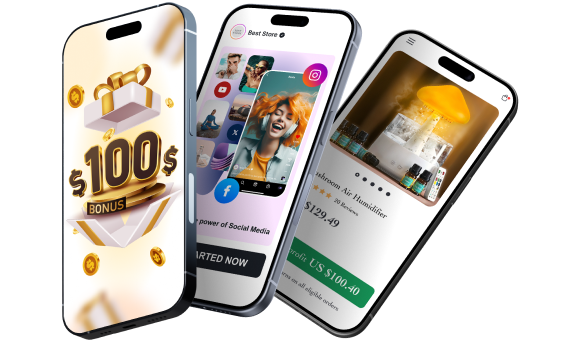
A $100 welcome gift to grow your business faster 🎁
Starting a business takes momentum – and Sellvia gives you a head start. When you claim your free store today, you also get a $100 welcome gift to put toward growing your business. Use it to upgrade your store, boost your marketing, or unlock new tools. It is a real dollar value, handed to you on day one, with no catch and no hoops to jump through.
A massive catalog of digital products to sell 🏆
One of the biggest struggles in starting an online business is figuring out what to sell. Sellvia solves that completely. Your store comes pre-loaded with digital products – guides, courses, checklists, and tools – all created by Sellvia. You keep 50–70% of every sale. No inventory. No shipping. No logistics headaches.
Everything in one easy-to-use platform 🔥
Managing an online store shouldn’t be complicated. With Sellvia, you can handle orders, add new products, and even chat with customers – all from a simple and user-friendly platform. No need to mess with confusing tools or deal with unnecessary tech stuff. It’s all smooth sailing.
No upfront costs, just start selling 💰
A big reason people hesitate to start an online business is the cost. But here’s the good news: With Sellvia, you don’t need to invest in stock, storage, or shipping supplies. You can run your store with no upfront costs, keeping things low-risk while still making money.
Support that’s always got your back 🤝
Running a business comes with questions, but you’re never alone. Sellvia’s dedicated support team is available 24/7 to help with anything you need. Whether it’s a small question or a big challenge, they’ve got you covered.
The world’s top fashion brands built their empires by understanding exactly what people wanted – and delivering it without friction. Claim your free Sellvia store today and start building your own income story.
What are the top fashion brands in the world right now?
What is the most valuable fashion brand today?
Louis Vuitton is consistently ranked as the most valuable fashion brand in the world by brand value. Its iconic monogram, global reach, and carefully managed luxury positioning have made it a financial powerhouse that other labels measure themselves against. In recent years it has also shown the ability to attract younger consumers through bold cultural collaborations, which helps protect its value for future generations. Brand value reports from major consultancies regularly place Louis Vuitton above every other fashion label in combined worth.
What fashion brands do younger generations prefer?
Younger generations tend to favor brands that feel culturally connected, authentic, and a little unexpected. Nike and Adidas remain popular for their crossover appeal between sport and street style. Balenciaga attracts those who want disruptive luxury. Gucci draws buyers who want bold and recognizable without being traditional. Zara and Uniqlo serve younger shoppers who value style and quality at accessible prices. Social media plays a major role in shaping these preferences, with trends often spreading faster through influencer content than through traditional advertising.
How do top fashion brands stay relevant over time?
The top fashion brands stay relevant by balancing two things at once: honoring what made them famous and staying connected to what their current audience actually cares about. Chanel maintains its iconic codes while showing at Paris Fashion Week each season. Nike builds community through digital marketing and athlete partnerships. Zara moves faster than anyone else to capture what is trending right now. Brands that stay in the conversation – whether through sustainability efforts, collaborations, or cultural moments – consistently outlast those that rely only on reputation built in the past.
Can you earn income online by selling in the fashion and lifestyle space?
Yes, earning income in the fashion and lifestyle space online is accessible to regular people without prior experience. Platforms like Sellvia allow anyone to launch a digital products store that sells guides, courses, and tools to an audience interested in style, business, and personal development. Store owners keep 50 to 70 percent of each sale, and the built-in advertising system means you can start reaching customers without needing a marketing background. Most store owners who activate ads begin seeing their first orders within days of launching.