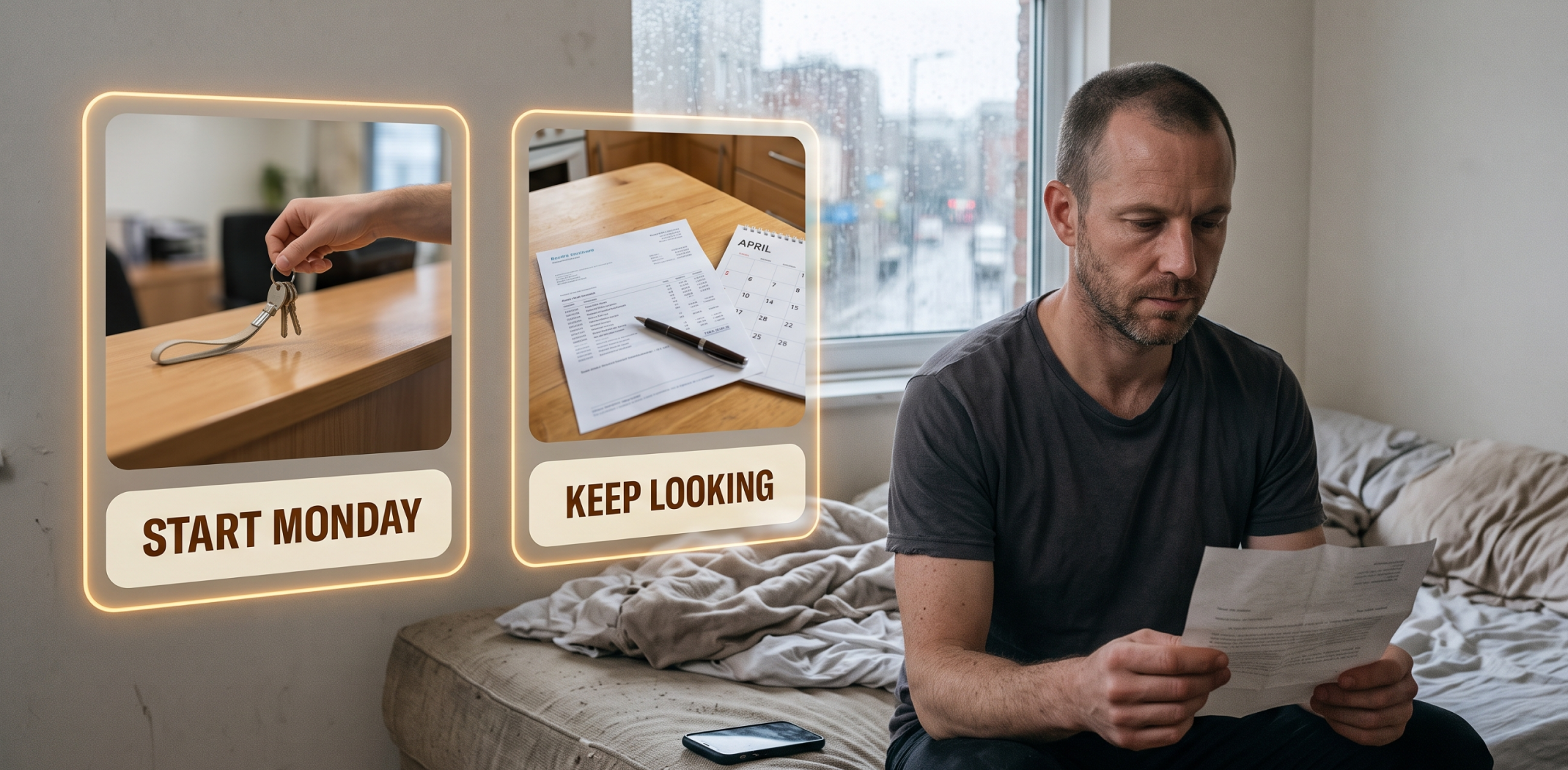
Two pieces of advice land on the same afternoon. Write the plan first, since businesses without one collapse. Stop planning and begin, since nobody reads the things anyway. Both arrive with total assurance, generally from people who have never laid eyes on your situation, and the disagreement has one simple cause: they are answering different questions about the same document, and naming the reader first is what separates the two.
The quick answer
The honest framing is not “plan or start” at all. One thing settles it: whether anybody beyond your own head has to read the thing. A plan for a lender, a landlord or a partner is a document carrying requirements. A plan for yourself is a page of decisions and costs you an afternoon. Working out which one you actually need takes minutes, and the answer is rarely thirty pages and rarely nothing.
Coming up: the thing that decides this, a table you can find your own situation in, and why the thirty-page version stalls so predictably.
The choice was never planning against starting
Each camp describes a genuine outcome. Somebody spent four months on a document, never opened, and decided planning is procrastination wearing a suit. Somebody else began with nothing written, hit a problem they could easily have anticipated, and decided the reverse. Neither is mistaken about their own experience, and neither has any idea whether anyone needs to read yours.
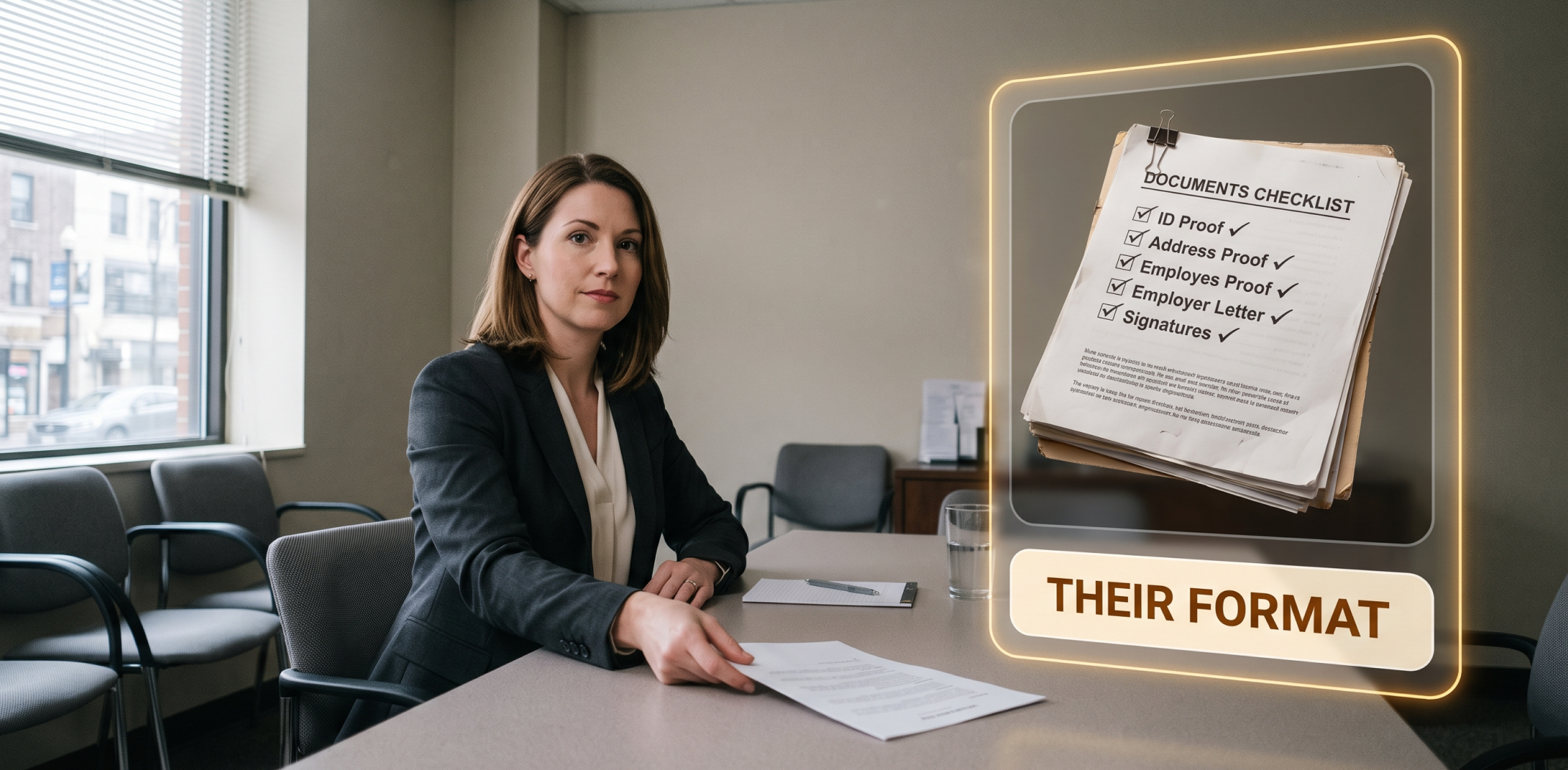
The mechanism deserves stating plainly. A plan can hold either of two jobs, and they are not remotely the same document. The outward job is satisfying somebody with money or property at stake, which brings requirements entirely outside your control. The inward job is forcing decisions you would otherwise defer: what you sell, to whom, at what price, and what follows if none of it works. Separating those two jobs before you write anything is what stops people producing thirty pages nobody asked for.
Which means the question was never whether planning earns its time. It is which of the two jobs yours has, because that settles the length, the shape and the deadline.
Find your own reader in the table
Establish who, if anybody, has to approve something before you can trade at all, then locate yourself in the table below. Naming the reader first takes a few minutes and settles the format immediately.
| Who reads it | What usually works | Why |
|---|---|---|
| A lender or an investor | The full document, in their format | Their requirements, not your preferences |
| A landlord, a partner or a spouse | A brief written version | Enough for somebody else to agree to it |
| Nobody except you | A single page, this week | Decisions rather than a document |
| Not sure yet | Ask before you write | The reader decides the format |
Take those as a starting point, not a rule. Lenders vary enormously in what they demand, certain grant schemes impose their own templates, and requirements vary by country, so confirm the format with whoever will actually read it before writing a word.
What belongs on the single page
This is the part most people miss: a plan written for yourself is not an abbreviated bank document. It is a different object serving a different purpose entirely. It exists to make four decisions concrete, and forcing those four onto a single sheet is what makes it useful rather than decorative.
Four answers and the page is done.
A single sheet · four decisions
What precisely are you selling, and to whom? Not a category. One particular thing aimed at one particular group. Vagueness at this point is what generates thirty pages further along.
What does it cost you, and what do you charge? Two figures. Where the gap is unclear, that is the first thing to sort out, and no quantity of writing will sort it on your behalf.
What must be true for any of it to work? Generally one assumption carrying everything else. Name it and you know what to test first instead of what to build first.
What is the smallest version you could run this month? The whole point of the page is a date. A plan lacking one describes a business rather than deciding to begin one.
Four answers on one sheet. Whatever you cannot answer is something to test rather than something to write more about.
Notice that none of this delays the start. The four answers are the same ones you would discover in your first month anyway, and a one-page version built from your own idea simply gets them out of your head before they cost money.
Why the long version stalls
Because length is the simplest thing to produce and the least useful. A long document manufactures the sensation of progress while every real unknown sits precisely where it was, and it is far more comfortable to write another section on market context than to admit you do not yet know what you would charge, which is exactly what four forced answers on one sheet prevents.

The opposite error costs in another currency. Beginning with nothing written means those four decisions still get made, one by one, under pressure and generally while a customer waits. So: find out who reads it, write the version that reader needs, and put a date on the page. A plan with a start date attached is the difference between a document and a decision.
Long template vs nothing vs a single page
You can write either version yourself, for free, with a blank page and an afternoon. Here is how the usual routes compare with building the version your reader needs.
| Way to decide | Cost | Built for your reader? | Time |
|---|---|---|---|
| A thirty-page template | Free | No – length instead of decisions | Weeks, often abandoned |
| No plan at all | Free | No – the decisions arrive anyway | Made under pressure |
| An accountant or consultant | $150–500 | Sometimes – costly before you have revenue | Weeks |
| Business Plan Builder | $29 | Yes – your reader, your format, your date | About 15 min |
“Is a proper plan not what serious people write?” A proper plan is whichever one does its job, and the job is set by the reader rather than by the page count. There is a real version of this concern: if you are borrowing money or taking on a lease, a thin plan is a genuine risk and the full document is the right answer. What is not serious is producing thirty pages for an audience of one, then treating the writing as though it were the work. This is general educational guidance rather than business, legal or financial advice, and lending and registration requirements differ by country.
If that still sounds like a shortcut, two people reached an identical idea and needed entirely different documents.
Two people, two unrecognisable documents
One of them needed a lender to say yes. The other needed to stop rewriting section three.

“I needed a van and the loan needed the full thing, so there was no shortcut and I stopped looking for one. Written to their format it took nine days, and the approval came with almost no questions.”
Odalys P. · mobile groomer, Salinas CA

“Fourteen weeks into a template nobody had asked me for, and I still had not decided what I charged. One page answered four questions and I took the first job that same fortnight.”
Halvard N. · furniture repairer, Bangor ME
If the plan keeps stalling on what the first version would cost to run, the Zero Cost Online Biz Starter is built for mapping that before you spend anything. Results vary; this is general guidance rather than business or legal advice.
Five short answers, and the version your situation genuinely calls for lands the same day, shaped around whoever has to read it. Where that is a lender, it follows their requirements. Where the only reader is you, it arrives as one page carrying four decisions and a start date, which tends to be the version that gets somebody trading instead of writing. The deadline comes as part of it either way.
*Individual results may vary.