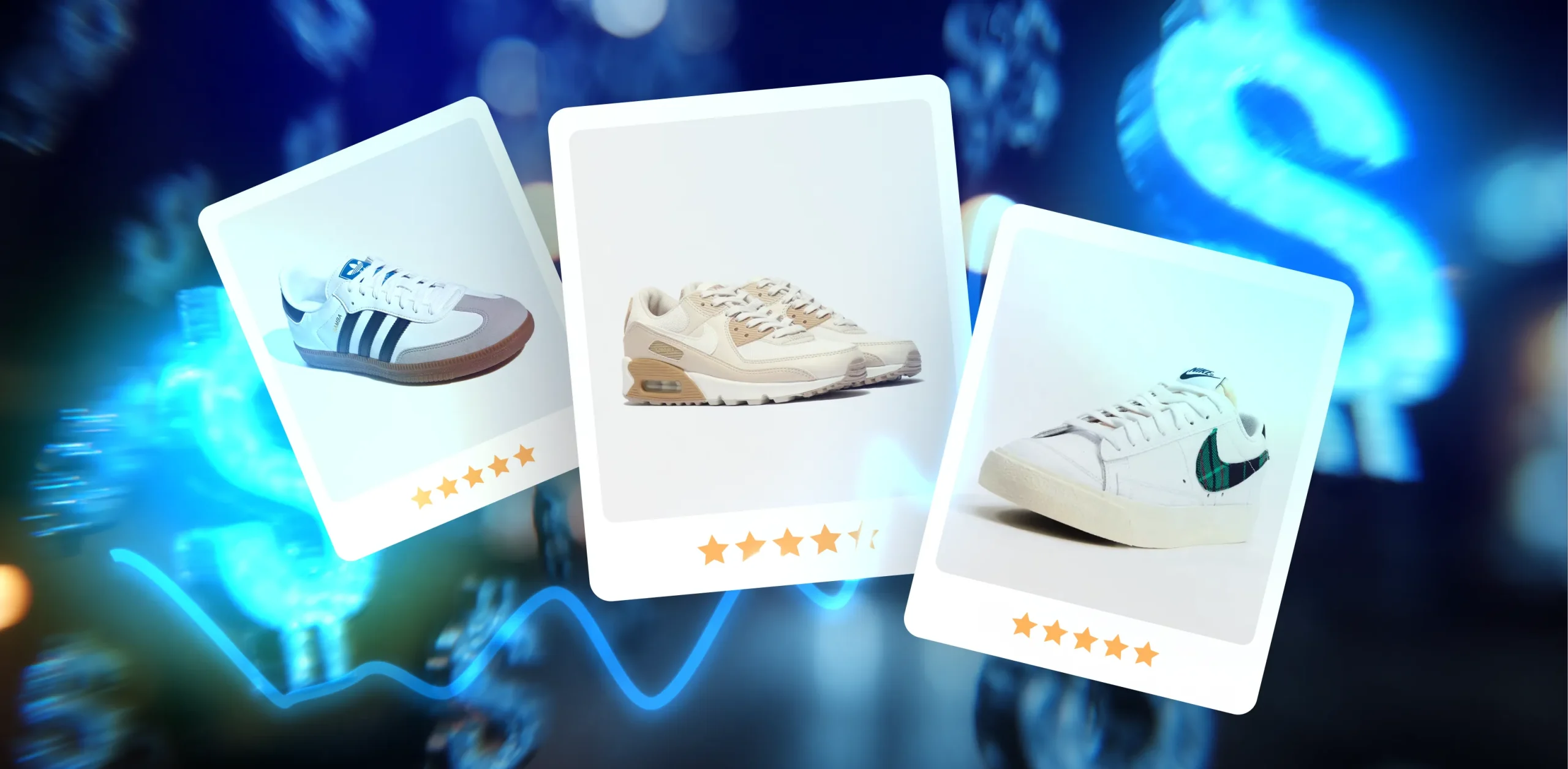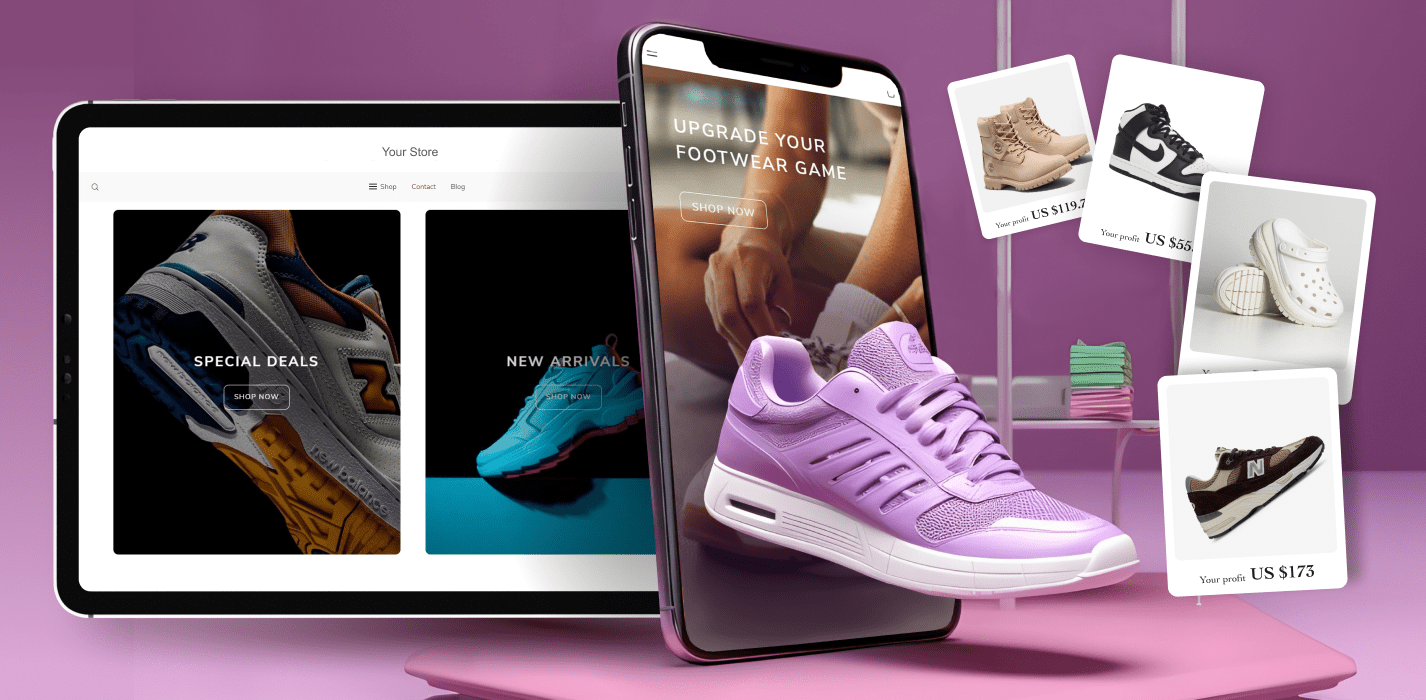
Walk into any shoe store – or scroll through any feed – and the options feel endless. Nike. Adidas. New Balance. Vans. A dozen more you’ve never heard of. How do you actually know which sneaker brands are worth your money and which ones are just riding a trend?
This guide cuts through the noise. Whether you’re looking for everyday comfort, something stylish for the weekend, or a pair that can pull double duty at the gym and the coffee shop – you’ll find clear, honest answers here.
Quick Answer: The best sneaker brands in 2026 include Nike, Adidas, New Balance, Vans, and Converse for most buyers. Niche labels like On and HOKA are rising fast. The right pick depends on your lifestyle, fit preference, and budget – not just the logo.
What are sneaker brands and why do they matter?
A sneaker brand is more than a logo on the side of a shoe. It is a set of design values, materials standards, and cultural associations that shapes your experience every time you lace up. When you understand what a brand actually stands for, you stop buying based on hype – and start buying based on fit.
Some brands chase performance above everything else. They invest in new cushioning tech, lighter soles, and fabrics that breathe better under pressure. Others lead with heritage, keeping beloved silhouettes alive because nostalgia is powerful and certain designs simply do not go out of style.
And a growing group of brands straddles both – giving you fashion-forward looks without sacrificing the comfort your feet need all day.
What you wear also carries a social signal. The three stripes of Adidas or the Swoosh on a Nike carry decades of cultural meaning. Smaller labels attract a different crowd – people who prefer something distinct, something that does not belong to everyone. Neither choice is wrong. They just tell different stories.
The resale market makes this even clearer. Limited drops, artist collaborations, and brand partnerships can turn an ordinary pair of sneakers into an investment piece. That does not mean you should chase hype – but it does show how much weight a brand name carries beyond the sole.
Why this works in 2026: Sneaker culture has moved well beyond athletics. The global sneaker market is valued at over $80 billion and growing, driven by consumers who want comfort, identity, and style from the same pair of shoes.
How much can you realistically earn from the sneaker niche?
If you have ever thought about turning your interest in sneakers into income, you are not alone. The sneaker space is one of the most active consumer niches on the internet. But not every way to “make money from sneakers” is equal. Here is an honest breakdown.
Reselling physical sneakers can be profitable but it requires capital upfront, storage space, and a lot of time hunting deals. Content creation builds an audience slowly. An online store selling digital products is the lowest-friction path – especially when the store is built and stocked for you from day one.
One note on the ceiling figures: The higher end of any income range reflects full-time effort, consistent marketing, and time in the market – typically 60 to 90 days before results become meaningful. Set realistic expectations and treat early months as learning time.
The major sneaker brands: what sets each one apart
Before you buy – or before you build a business around a niche – it helps to understand what the major sneaker brands actually represent. Each one has carved out a distinct identity, and knowing the difference makes you a smarter consumer and a better marketer.
The heritage players
Nike
Nike is the most recognized sneaker brand in the world, and for good reason. Its strength is the balance between athletic performance and everyday style. The Air Zoom line is a legitimate running tool. The Air Force 1 and Air Max silhouettes are cultural fixtures that have been around for decades and show no signs of fading.
What keeps Nike relevant is not just technology – it is storytelling. Athlete partnerships, limited collaborations, and consistent design language make Nike feel current even when it is leaning into nostalgia. If you want one brand that covers everything from the gym to the street, Nike is the default answer for most people.
Earning potential: Nike is the most searched sneaker brand online, making it a high-traffic keyword for any content or store built around the sneaker niche.
Adidas
Adidas built its reputation on versatility. The three stripes are instantly recognizable, but the real story is how the brand has moved seamlessly between sport and fashion. The Stan Smith and Superstar silhouettes are wardrobe staples. The Ultraboost line brought genuine running technology into a sneaker that people wear to brunch.
Adidas has also led the industry on sustainability – developing shoes from ocean plastic and recycled materials. For buyers who care about environmental impact alongside style, that matters. It also makes Adidas a strong topic for content that resonates with values-driven audiences.
New Balance
New Balance spent years being the practical choice – reliable, comfortable, slightly unglamorous. Then the “dad shoe” trend arrived, and the 990 series became one of the most sought-after silhouettes in streetwear. That shift revealed something that loyal New Balance wearers already knew: this brand builds exceptional shoes.
The sizing is consistent, the cushioning is among the best in class, and the craftsmanship on US-made models is genuinely impressive. For anyone who walks a lot, has wide feet, or just wants a pair that lasts – New Balance is worth every dollar.
The culture brands
Vans
Vans is skateboarding culture made into footwear. The Old Skool, the Slip-On, the Era – these are not performance shoes. They are statements of identity. Vans appeals to people who want casual, expressive footwear that does not take itself too seriously. The brand has stayed authentic to its roots even as it has grown into a global name, and that authenticity is a big part of why it still connects.
Converse
Few sneaker brands have the staying power of Converse. The Chuck Taylor All Star has been in continuous production for over a century. It has been worn by athletes, musicians, students, and artists. Its simplicity is the point – a flat canvas that fits almost any personal style and almost any outfit. Converse is not trying to out-innovate anyone. It is doing something harder: staying timeless.
Important note: Converse and Vans both index highly with younger buyers aged 18–34, making them strong anchors for content targeting that demographic.
The rising challengers
On Running
On is a Swiss brand that started in performance running and quietly became a lifestyle phenomenon. The CloudTec sole – that distinctive row of hollow pods on the outsole – delivers a cushioning feel unlike anything else on the market. Celebrities, athletes, and commuters alike have adopted On, which says a lot about how well the brand bridges function and fashion.
HOKA
HOKA looked strange when it launched. Oversized soles, aggressive cushioning, a silhouette that felt more medical than stylish. Then people tried them. The comfort is exceptional – particularly for anyone on their feet all day. Nurses, teachers, travelers, and runners all reached the same conclusion independently: HOKA works. The brand has become one of the fastest-growing in footwear as a result.
Why this works in 2026: On and HOKA both have strong search growth and passionate communities – exactly the kind of niche audience that converts well in content and online sales.
How to compare sneaker brands before you buy
Brand loyalty is real – but it can cost you. Before committing to any pair, run through these five filters. They work whether you are buying your first pair or your fiftieth.
Comfort and fit
This is the one that matters most and gets ignored most often. Sizing is not universal across sneaker brands. A size 10 in Nike fits differently than a size 10 in New Balance. Read sizing notes before ordering online. If you have wide feet, narrower brands like Nike can cause long-term discomfort. When trying shoes in person, wear them for at least five minutes – walk around, go up stairs, notice where pressure builds.
Materials and build quality
What the shoe is made of determines how long it lasts and how it feels on your foot. Leather holds its shape, breathes less, and ages with character. Mesh is light and ventilated but wears faster. Knit uppers feel soft and flexible but can stretch out of shape over time. Check the outsole too – a rubber sole lasts longer than a synthetic foam one, especially if you walk on concrete daily.
Style and everyday use
A sneaker that only works with one outfit is not worth the shelf space. Think about your actual routine – where you go, what you wear, what you need the shoe to do. Versatile picks like the New Balance 550 or the Adidas Samba move from casual to dressed-down effortlessly. More specialized designs like the HOKA Clifton are built for a specific purpose and shine in that context.
Value for money
Price and quality are related but not the same thing. Sometimes you are paying for technology and durability. Sometimes you are paying for a logo and a collab. A $120 pair that lasts three years beats a $60 pair that needs replacing every eight months. Think in cost-per-wear rather than sticker price. That reframe changes almost every buying decision.
Ethics and sustainability
This one has moved from niche concern to mainstream consideration. Adidas, Nike, and On all have active sustainability programs. Smaller brands often lead with this as a core identity. If how a product is made matters to you – and for a growing number of buyers it does – look at what a brand actually does, not just what it says.
Third-party certifications and verified materials claims are more reliable than marketing language.
Trends shaping sneaker brands in 2026
The sneaker industry moves fast. Knowing which direction things are heading helps you buy smarter – and if you are building a business in this space, it helps you stay ahead of what your audience wants next.
Performance meets everyday wear
The wall between athletic footwear and casual sneakers has nearly dissolved. Running-inspired tech – responsive cushioning, lightweight uppers, energy-return soles – is now standard in shoes people wear to work and dinner. On Running and HOKA led this shift. Nike and Adidas followed. Expect this to deepen, not reverse.
Sustainability as the baseline
Eco-friendly production is no longer a selling point reserved for premium buyers. Major brands are reducing waste, switching to plant-based materials, and publishing carbon impact data. Smaller brands are going further – fully vegan lines, zero-waste factories, take-back programs. The brands that treat sustainability as a core value rather than a PR exercise are the ones earning long-term loyalty.
Retro silhouettes with modern comfort
The 1990s and early 2000s never really left. Brands are reissuing classic models – the New Balance 1906R, the Adidas Gazelle, the Nike Cortez – with updated materials and better cushioning. The appeal is straightforward: familiar shapes, improved function, and a story that connects generations of wearers.
Collaboration culture
Collabs are still driving some of the biggest moments in sneaker culture. But the most interesting ones are no longer just celebrity co-signs. Brands are partnering with independent artists, designers, and even other industries to bring genuinely new thinking into footwear. The result is shoes that feel like wearable art – collectible, expressive, and worth talking about.
Niche brands leading ideas
The most experimental thinking in the sneaker world right now comes from smaller labels. Brands like Salehe Bembury, Satisfy Running, and Moncler Grenoble are testing concepts – unusual materials, unexpected silhouettes, function-first design – that often influence what mainstream brands do two or three years later.
Following niche sneaker brands is not just about owning rare shoes. It is about understanding where the whole category is going.
How to choose based on your situation
Not every buyer needs the same thing. Here is how to match the right sneaker brand to where you actually are.
Complete beginner – buying your first real pair
Start with New Balance or Nike. Both offer consistent sizing, excellent comfort, and wide availability. The New Balance 574 and the Nike Air Max 90 are two of the safest bets in footwear – versatile, well-built, and easy to style. Budget around $80 to $130 for something that will last.
Intermediate buyer – wants style and function
You know what you like but want to expand. Look at On Running for daily comfort with a clean aesthetic. Try Adidas Originals for fashion-forward looks with brand credibility. The Samba, the Forum, and the Campus are all having a strong cultural moment in 2026 and are unlikely to feel dated quickly.
Advanced buyer or sneaker enthusiast
You are already familiar with the major players. The most interesting territory right now is in the mid-tier independents. Brooks, Asics Gel-Nimbus, and Salehe Bembury collaborations offer genuine design interest. For investment pieces, focus on limited Nike and New Balance collabs through SNKRS and the official New Balance app rather than resale platforms – better prices and authentic product.
Budget-conscious buyer
Vans and Converse remain the best value in the market. The Old Skool and the Chuck Taylor can be found for $60 to $75 and last for years with minimal care. Puma and Reebok also offer strong entry-level picks – the Puma Suede and the Reebok Classic Leather consistently deliver comfort and style at accessible price points.
Someone who wants to monetize this interest
If reading this made you think “I could build something here” – you are right. The sneaker niche has enormous search volume, passionate communities, and proven buyer intent. You do not need to stock physical shoes, manage a warehouse, or become a reseller. An online store selling digital products around the niche – guides, trend reports, buying tools – can earn 50 to 70 cents on every dollar with none of the logistics headaches.
Final thoughts: Which sneaker brands are worth it in 2026?
The best sneaker brand is the one that fits your feet, your style, and your life – not the one with the biggest marketing budget. Nike and Adidas lead on cultural reach and design range. New Balance wins on comfort and craftsmanship. Vans and Converse own the heritage and casual space. On and HOKA are the names to watch if you want the most interesting comfort technology available right now.
The most important move is to stop chasing hype and start buying with intention. Know what you need the shoes to do. Know what you are willing to spend. Know the difference between paying for quality and paying for a story. With that framework, every pair you buy will feel like the right one.
And if any part of this guide made you think about the business potential behind the sneaker world – the interest, the search volume, the passionate audiences – keep reading. The opportunity is real, and the barrier to entry is lower than you think.
Why Sellvia is a game-changer for your online store 🚀
Sellvia isn’t just another ecommerce tool. We are a trusted name in the industry, recognized by Forbes and even ranked in Inc.’s list of the 5,000 fastest-growing companies in the U.S. So if you’re serious about starting as a solopreneur, this is a smart place to begin.
Starting an online business can feel overwhelming, but that’s exactly where Sellvia steps in. It takes care of the tricky parts, so you can focus on making sales and growing your brand. Let’s break down what makes it such a great choice.
Get a ready-to-go store hassle-free 🎯
Want to start selling but don’t know where to begin? No worries! Just share your ideas, and Sellvia’s team will build a free ecommerce website that’s fully set up and ready to take orders from day one. No coding, no stress – just a store that works right out of the box.
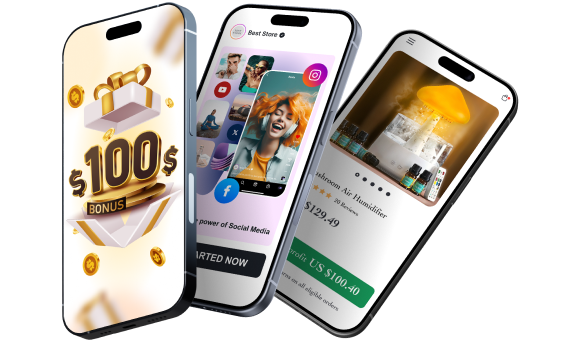
A $100 welcome gift to grow your business faster 🎁
Starting a business takes momentum – and Sellvia gives you a head start. When you claim your free store today, you also get a $100 welcome gift to put toward growing your business. Use it to upgrade your store, boost your marketing, or unlock new tools. It is a real dollar value, handed to you on day one, with no catch and no hoops to jump through.
A massive catalog of digital products to sell 🏆
One of the biggest struggles in starting an online business is figuring out what to sell. Sellvia solves that completely. Your store comes pre-loaded with digital products – guides, courses, checklists, and tools – all created by Sellvia. You keep 50–70% of every sale. No inventory. No shipping. No logistics headaches.
Everything in one easy-to-use platform 🔥
Managing an online store shouldn’t be complicated. With Sellvia, you can handle orders, add new products, and even chat with customers – all from a simple and user-friendly platform. No need to mess with confusing tools or deal with unnecessary tech stuff. It’s all smooth sailing.
No upfront costs, just start selling 💰
A big reason people hesitate to start an online business is the cost. But here’s the good news: With Sellvia, you don’t need to invest in stock, storage, or shipping supplies. You can run your store with no upfront costs, keeping things low-risk while still making money.
Support that’s always got your back 🤝
Running a business comes with questions, but you’re never alone. Sellvia’s dedicated support team is available 24/7 to help with anything you need. Whether it’s a small question or a big challenge, they’ve got you covered.
Your interest in sneaker brands is more than a hobby – it is a signal that you understand what buyers want. Claim your free Sellvia store today and start building income around what you already know.
What are the best sneaker brands in 2026?
Which sneaker brands are best for everyday comfort?
New Balance, HOKA, and On Running consistently rank highest for everyday comfort. New Balance is known for its consistent sizing and supportive cushioning across its 990 and 574 lines. HOKA is a favorite among people who spend long hours on their feet, such as nurses, teachers, and frequent travelers. On Running delivers a unique cushioning feel through its CloudTec sole that works well for both walking and light running.
What sneaker brands are trending right now?
In 2026, retro silhouettes from Adidas and New Balance are among the strongest trends – models like the Adidas Samba, Gazelle, and New Balance 550 are widely popular. On Running and HOKA continue to grow as lifestyle brands with strong community followings. Sustainability-focused releases from Adidas and smaller independent labels are also gaining traction with values-driven buyers.
Are niche sneaker brands worth buying?
Niche sneaker brands are worth serious consideration, particularly for buyers who want something distinct and less widely owned. Brands like On Running, HOKA, and emerging independents often introduce comfort innovations and design ideas that mainstream brands adopt later. Limited production runs also mean fewer people wear the same pair, which matters to buyers who use footwear as a form of personal expression.
How do you choose between sneaker brands on a budget?
On a budget, Vans and Converse offer the best value in the sneaker market, with most core models priced between 60 and 80 dollars. Puma and Reebok are also reliable budget-friendly options – the Puma Suede and Reebok Classic Leather deliver solid comfort and style at accessible prices. When comparing sneaker brands by value, focus on cost per wear rather than sticker price – a well-made 100 dollar pair that lasts 3 years is a better investment than a 55 dollar pair replaced every 8 months.