The gig economy is not slowing down. In 2026, more than 73 million Americans are doing some form of gig work – and that number keeps climbing. Whether you need a little extra cash to cover bills, want to escape the 9-to-5, or are ready to be your own boss, gig apps can help you get there.
Quick Answer: The best gig apps of 2026 include Upwork, Fiverr, DoorDash, TaskRabbit, and Rover. Each one fits different skills and schedules. If you want to earn $30–$80 a day without trading hours for dollars, starting an online store with built-in advertising can go further than any gig app alone.
But here is the honest truth: most gig apps pay you by the hour or task. You stop working, you stop earning. This guide covers the best gig apps available right now – and shows you why some people are making the switch to something with more upside.
What are gig apps?
Gig apps are platforms that connect workers with short-term, flexible jobs. Instead of clocking in for a regular employer, you pick up individual tasks – called “gigs” – on your own schedule. You decide when you work, how much you take on, and which jobs fit your life.
The types of work vary a lot. Some gig apps are for drivers, delivery workers, and people who like to stay active. Others are for writers, designers, and tech workers who operate entirely from a laptop. There are even apps for pet sitters, house cleaners, and handymen. If you have a skill or a free hour, there is probably an app for it.
Gig work has grown fast because it removes barriers. You do not need a resume, a degree, or a long interview process. In many cases, you can sign up and start earning within a few days. That kind of speed matters when you are living paycheck to paycheck and need income now.
The downside? Most gig apps cap what you can earn. There are only so many hours in a day, and platforms take a cut of every dollar you make. That is why more people are pairing gig work with something that scales – like an online store that keeps making sales whether you are working or not.
How much can you realistically earn from gig apps?
Earnings vary a lot depending on the app, your location, your skills, and how many hours you put in. Here is a realistic breakdown of what people are actually making.
Gig apps can earn you anywhere from a few hundred to a few thousand dollars a month depending on commitment. That said, most casual gig workers earn $300–$800/month and rarely break through to full-time income without putting in 40+ hours a week.
One note on the ceiling figures: The top-end numbers assume peak hours, ideal conditions, and a lot of hustle. Most gig workers hit a plateau after 60–90 days because there are only so many hours available and platforms take 15–30% of every payment. An online store scales differently – more sales do not require more hours.
The best gig apps for freelancers and side hustlers
If you have a marketable skill, these platforms make it easier to find clients and get paid for your work. They are well-established, trusted by millions, and have decent payout systems. Here is what you need to know about each one.
Freelance writing and content work
Upwork
Upwork is one of the largest freelance marketplaces in the world. You create a profile, set your hourly rate, and bid on projects posted by clients. Writing, editing, copywriting, and research are among the most in-demand categories. New freelancers often start at $15–$25/hour and can work up to $50–$75/hour with strong reviews and a solid portfolio.
Earning potential: $500–$3,000/month with consistent effort over 90 days.
Fiverr
Fiverr flips the model – instead of applying for jobs, you create “gigs” that clients come to you for. It is great for writers, voiceover artists, social media managers, and anyone who can package their skills into a clear service offering. The platform is competitive, but standing out with a strong profile and a few early five-star reviews can generate steady work.
Earning potential: $200–$2,000/month depending on niche and gig volume.
Freelancer
Freelancer.com is a global platform with a mix of short-term tasks and longer contracts. It works well for writers, web developers, and data entry workers who want variety. Competition from international freelancers can push prices down, so focus on niches where your experience gives you an edge.
Earning potential: $300–$1,500/month for part-time work.
Delivery and rideshare apps
DoorDash
DoorDash is one of the most popular food delivery apps in the US. You sign up as a “Dasher,” pick your hours, and deliver food from local restaurants to customers. Pay includes a base rate per delivery plus tips, which can significantly boost your hourly take-home. Urban areas and peak dinner hours earn the most.
Earning potential: $15–$25/hour in most US cities during busy periods.
Uber Eats
Uber Eats works similarly to DoorDash and is available in hundreds of US cities. If you already drive for Uber, you can switch seamlessly between passenger rides and food delivery to maximize your earnings per hour on the road. The app is easy to use and payouts are weekly.
Earning potential: $14–$22/hour depending on location and hours worked.
Lyft
Lyft is the second-largest rideshare platform in the US and is known for being driver-friendly. You use your own car, set your own hours, and earn per ride plus tips. Lyft also offers bonuses for hitting weekly ride targets, which can push your earnings higher during busy stretches.
Earning potential: $15–$30/hour in high-demand areas.
Task-based and home services apps
TaskRabbit
TaskRabbit connects you with people who need help with physical tasks – moving furniture, assembling IKEA pieces, painting rooms, running errands, and more. You set your hourly rate and availability. It is one of the better-paying gig platforms for people who enjoy hands-on work and are good with their hands.
Earning potential: $25–$60/hour, with skilled trades (electrical, plumbing assistance) going higher.
Handy
Handy focuses on home cleaning and minor repairs. It is a steady source of repeat work since customers often rebook the same cleaner or handyman. Pay is set by the platform based on task type and location, so there is less negotiation involved – which can be a plus if you just want to show up and get paid.
Earning potential: $15–$45/hour depending on service type.
Rover
If you love animals, Rover is one of the most enjoyable gig apps available. You offer dog walking, pet sitting, boarding, or drop-in visits. Rates are set by you and vary by service. Repeat clients and referrals can turn a few bookings into a consistent weekly income without heavy marketing.
Earning potential: $15–$40/hour, with boarders earning $25–$75/night per dog.
The best gig apps for creative professionals
Creative work is in high demand in 2026. Businesses need logos, videos, illustrations, and branded content constantly – and gig platforms have made it easier than ever to sell those skills without a full-time job.
Design and visual arts
99designs
99designs specializes in graphic design work – logos, brand identities, packaging, web design, and more. You can either enter design contests (where multiple designers compete and the client picks a winner) or take on direct client projects. The contest model is risky for beginners, but direct projects pay well for experienced designers.
Earning potential: $200–$2,000+ per project for experienced designers.
Dribbble
Dribbble is more of a portfolio platform than a job board, but it is a powerful tool for designers who want to attract freelance clients. Posting strong work regularly builds visibility. Many designers use Dribbble alongside Upwork or direct outreach to fill their client pipeline.
Why this works in 2026: Visual content spending is up, and businesses are willing to pay well for designers who can deliver fast, polished work remotely.
Video editing and animation
PeoplePerHour
PeoplePerHour is an hourly freelance platform with a strong focus on creative professionals. Video editors, motion graphics artists, and animators find consistent work here. The platform is smaller than Upwork, which means less competition for quality gigs.
Earning potential: $25–$80/hour depending on project complexity and experience level.
Upwork (for video)
Upwork is worth mentioning again for video editors specifically. YouTube channels, marketing agencies, and online course creators are constantly hiring editors. If you can turn around clean, branded cuts quickly, you can build a steady client base that books you out weeks in advance.
Earning potential: $30–$100/hour for experienced video editors with strong portfolios.
How to choose the right gig app for you
With so many options, it helps to have a framework. Here are the most important things to think about before signing up.
Match the app to your actual skills
Do not sign up for a writing platform if your strength is carpentry, and do not download a delivery app if you do not have a reliable vehicle. The fastest path to earning is the one that aligns with what you already do well. Make a short list of your top three skills or available resources (car, laptop, tools, time) and pick platforms that match each one.
Understand the fee structure before you commit
Every gig platform takes a cut. Upwork charges between 10–20% depending on your earnings history with a client. Fiverr takes 20% of every transaction. Rover charges 20–25%. These fees add up fast – always calculate your real take-home, not just the listed rate.
Check payout speed and methods
Some platforms pay weekly, others take 14 days. If you need money fast, look for apps with instant or same-week payouts. DoorDash, Uber Eats, and TaskRabbit all offer relatively fast pay cycles. Upwork and Fiverr have clearing periods before funds are available to withdraw.
Read real reviews before signing up
Reddit communities like r/WorkOnline, r/gig_economy, and r/FreelanceWriters are full of real user experiences. Trustpilot and the App Store reviews also give you a ground-level picture of what workers actually encounter. This step takes 15 minutes and can save you from signing up for a platform that sounds great but has a track record of slow payments or poor support.
Legal and ethical considerations for gig workers
Gig work comes with real responsibilities that platforms do not always highlight upfront. A few things to know before you dive in.
Key principle: Gig income is self-employment income. The IRS expects you to track it and report it.
As a gig worker, you are classified as an independent contractor, not an employee. That means you are responsible for your own taxes. If you earn more than $600 from a single platform in a year, they will send you a 1099 form. Set aside 25–30% of your gig earnings for taxes from day one to avoid a surprise bill in April.
On the ethics side: never fake reviews, inflate your ratings, or misrepresent your skills to land gigs. Platforms take this seriously and accounts get permanently banned. Your reputation is your most valuable asset in the gig economy – protect it.
Important: Many gig apps also have exclusivity clauses or policies about working competing platforms. Read the terms of service before signing up for multiple apps in the same category.
Final thoughts: how to choose the right path for you
There is no single best gig app that works for everyone. The right choice depends on your skills, your schedule, your location, and how much income you actually need. Here is a quick guide by reader type.
If you are a complete beginner
Start with something low-barrier and local. DoorDash, Rover, or TaskRabbit get you earning within days without needing a portfolio or writing samples. Use this income as a bridge while you build something more sustainable on the side.
If you have a skill and some patience
Upwork and Fiverr reward people who invest 30–60 days in building a profile, collecting early reviews, and refining their offer. The income ramp-up is real – but so is the ceiling once you hit your maximum billable hours.
If you want more than a side hustle
If your goal is true financial freedom – not just supplemental income – then gig apps alone will not get you there. They are built to pay you by the hour. An online store can generate income from multiple customers at once, around the clock, without a vehicle or a client list. Many Sellvia store owners start while still doing gig work, then scale their store income until it replaces the gigs entirely.
The gig economy is a great entry point. But it is not a destination. More and more people in 2026 are using gig apps as a short-term income bridge while they build something that actually scales.
Why Sellvia is a game-changer for your online store 🚀
Sellvia isn’t just another ecommerce tool. We are a trusted name in the industry, recognized by Forbes and even ranked in Inc.’s list of the 5,000 fastest-growing companies in the U.S. So if you’re serious about starting as a solopreneur, this is a smart place to begin.
Starting an online business can feel overwhelming, but that’s exactly where Sellvia steps in. It takes care of the tricky parts, so you can focus on making sales and growing your brand. Let’s break down what makes it such a great choice.
Get a ready-to-go store hassle-free 🎯
Want to start selling but don’t know where to begin? No worries! Just share your ideas, and Sellvia’s team will build a free ecommerce website that’s fully set up and ready to take orders from day one. No coding, no stress – just a store that works right out of the box.
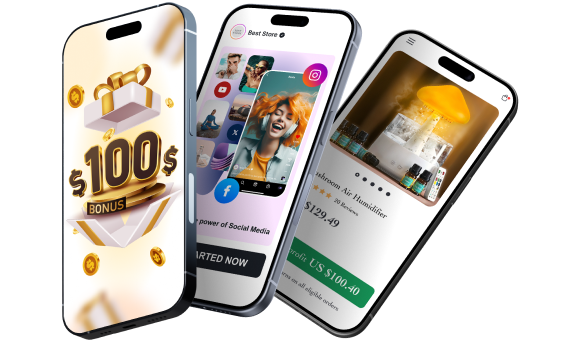
A $100 welcome gift to grow your business faster 🎁
Starting a business takes momentum – and Sellvia gives you a head start. When you claim your free store today, you also get a $100 welcome gift to put toward growing your business. Use it to upgrade your store, boost your marketing, or unlock new tools. It is a real dollar value, handed to you on day one, with no catch and no hoops to jump through.
A massive catalog of digital products to sell 🏆
One of the biggest struggles in starting an online business is figuring out what to sell. Sellvia solves that completely. Your store comes pre-loaded with digital products – guides, courses, checklists, and tools – all created by Sellvia. You keep 50–70% of every sale. No inventory. No shipping. No logistics headaches.
Everything in one easy-to-use platform 🔥
Managing an online store shouldn’t be complicated. With Sellvia, you can handle orders, add new products, and even chat with customers – all from a simple and user-friendly platform. No need to mess with confusing tools or deal with unnecessary tech stuff. It’s all smooth sailing.
No upfront costs, just start selling 💰
A big reason people hesitate to start an online business is the cost. But here’s the good news: With Sellvia, you don’t need to invest in stock, storage, or shipping supplies. You can run your store with no upfront costs, keeping things low-risk while still making money.
Support that’s always got your back 🤝
Running a business comes with questions, but you’re never alone. Sellvia’s dedicated support team is available 24/7 to help with anything you need. Whether it’s a small question or a big challenge, they’ve got you covered.
If you have been grinding through gig apps looking for a real income breakthrough, an online store with built-in advertising and ready-to-sell digital products is the smarter next step. Claim your free Sellvia store today and see what is possible in your first 14 days.
What are the best gig apps for making money in 2026?
How do gig apps pay you and how fast do you get your money?
Payout methods and timelines vary by platform. Delivery apps like DoorDash and Uber Eats typically pay weekly, with some offering instant transfers for a small fee. Freelance platforms like Upwork hold funds for a 5 to 14 day security period before they are available to withdraw. Most apps support PayPal, direct bank deposit, or a linked debit card. Always check the minimum withdrawal amount and any transfer fees before signing up.
Can you make a full-time income from gig apps alone?
Making a full-time income from gig apps is possible but uncommon for most workers. Reaching 3000 to 5000 dollars per month typically requires 40 or more hours per week, strong ratings, and a reliable vehicle or in-demand skill set. Most gig workers treat these platforms as supplemental income rather than a primary source. A realistic goal for a part-time gig worker is 500 to 1500 dollars per month. Those who want income that grows without adding more hours often pair gig work with an online store.
Are gig apps safe and legitimate to use?
Established gig apps like DoorDash, Upwork, Fiverr, TaskRabbit, and Rover are legitimate businesses with millions of active users and documented payout histories. They use identity verification, secure payment processing, and customer support systems. As with any platform, it is important to read the terms of service, understand how fees work, and check user reviews before committing. Platforms that promise unusually high earnings with no effort or ask for upfront fees to access gigs are red flags to avoid.
What is the difference between gig apps and running an online store?
Gig apps pay you per task or per hour, which means your income stops the moment you stop working. An online store works differently. Once your store is set up and ads are running, sales can come in at any hour without you actively doing anything. Platforms like Sellvia provide a ready-built store, digital products to sell, and a built-in advertising system that gets orders flowing. Store owners keep 50 to 70 percent of each sale. The startup cost is lower than most people expect, and a 14-day free trial means you can test it without financial risk.