Money stress is real. If you have ever opened your bank app and felt your stomach drop, you are not alone. Millions of Americans are living paycheck to paycheck, watching bills pile up and wondering where it all went. The good news is that the best personal finance apps can give you back control – fast.
They track your spending automatically, help you build a budget that sticks, and show you exactly where your money is going. No spreadsheets. No guesswork. Just clarity.
Quick Answer: The best personal finance apps in 2026 include YNAB for budgeting, PocketGuard for spending control, Oportun for automatic saving, Tally for debt payoff, and Empower for tracking your net worth – all available on iOS and Android.
But here is the thing most money apps will not tell you: tracking spending is only half the battle. The other half is earning more. This guide covers both – the top apps to help you manage what you have, plus one surprisingly simple way to start adding income alongside your main paycheck.
What are personal finance apps?
Personal finance apps are tools on your phone or computer that help you manage your money. They connect to your bank accounts and credit cards, log every transaction automatically, and organize your spending into categories. Instead of guessing where your paycheck went, you see the full picture in seconds.
Most people who start using a personal finance app are shocked by what they find. A forgotten subscription here, a daily coffee habit there – small leaks that quietly drain hundreds of dollars every month. The best personal finance apps make those leaks visible so you can plug them before they grow.
In 2026, these apps have gotten even smarter. Many use AI to flag unusual spending, suggest savings targets, and even move money automatically on your behalf. You do not need a financial background to use them. Most are designed for regular people who just want to feel less stressed about money.
How much money can the right apps realistically save you?
The honest answer: it depends on what you are currently spending. But the numbers are often bigger than people expect. Studies consistently show that most people underestimate their discretionary spending by 20–40%. An app that gives you real visibility can close that gap fast.
These are realistic, not guaranteed figures. Your results depend on your current habits and how consistently you use the app. Most users see meaningful progress within 60–90 days of sticking to a system.
One note on this: Apps help you manage and protect the money you already have. To actually get ahead – not just hold steady – adding even a small income stream alongside your main paycheck can change everything. More on that later.
The best personal finance apps by goal
Not all money apps are built the same. The best one for you depends on what you are trying to fix. Here is a breakdown by goal, so you can go straight to the tool that matches where you are right now.
If you want to finally stick to a budget
Budgeting is where most people start – and where most people give up. The apps below make it simple enough to actually keep going.
YNAB (You Need A Budget)
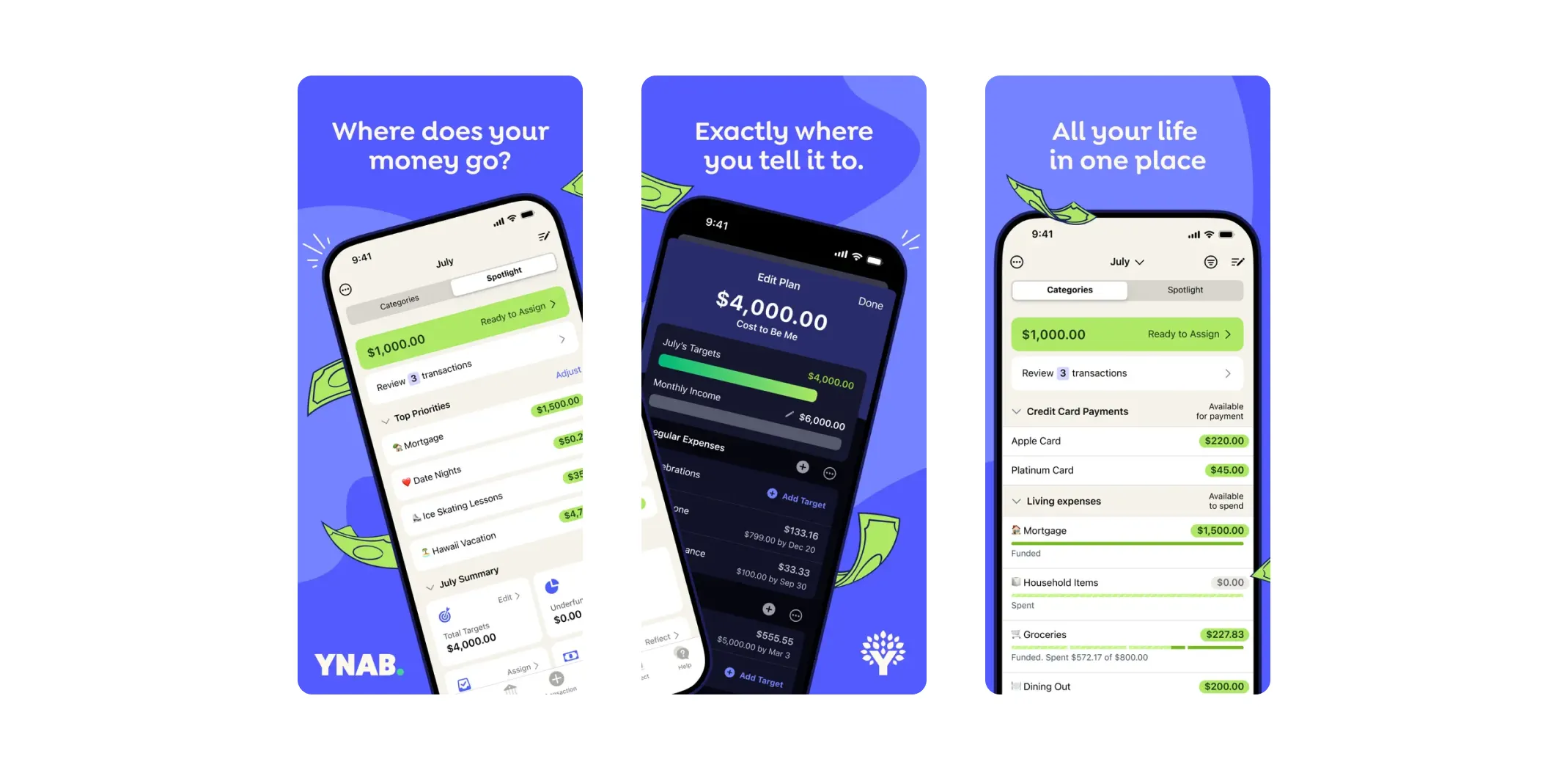
YNAB is one of the most respected budgeting apps available. It runs on a zero-based budgeting system: every dollar you earn gets assigned a job before you spend it. That means rent, groceries, debt payments, and even entertainment all get planned in advance.
The result? You stop reacting to your bank balance and start directing your money on purpose. YNAB users report saving an average of over $600 in their first two months.
Earning potential: Varies – most users identify $100–$400/month in previously unnoticed spending within the first 60 days.
Pricing: $14.99/month or $109/year. A 34-day free trial is available.
PocketGuard
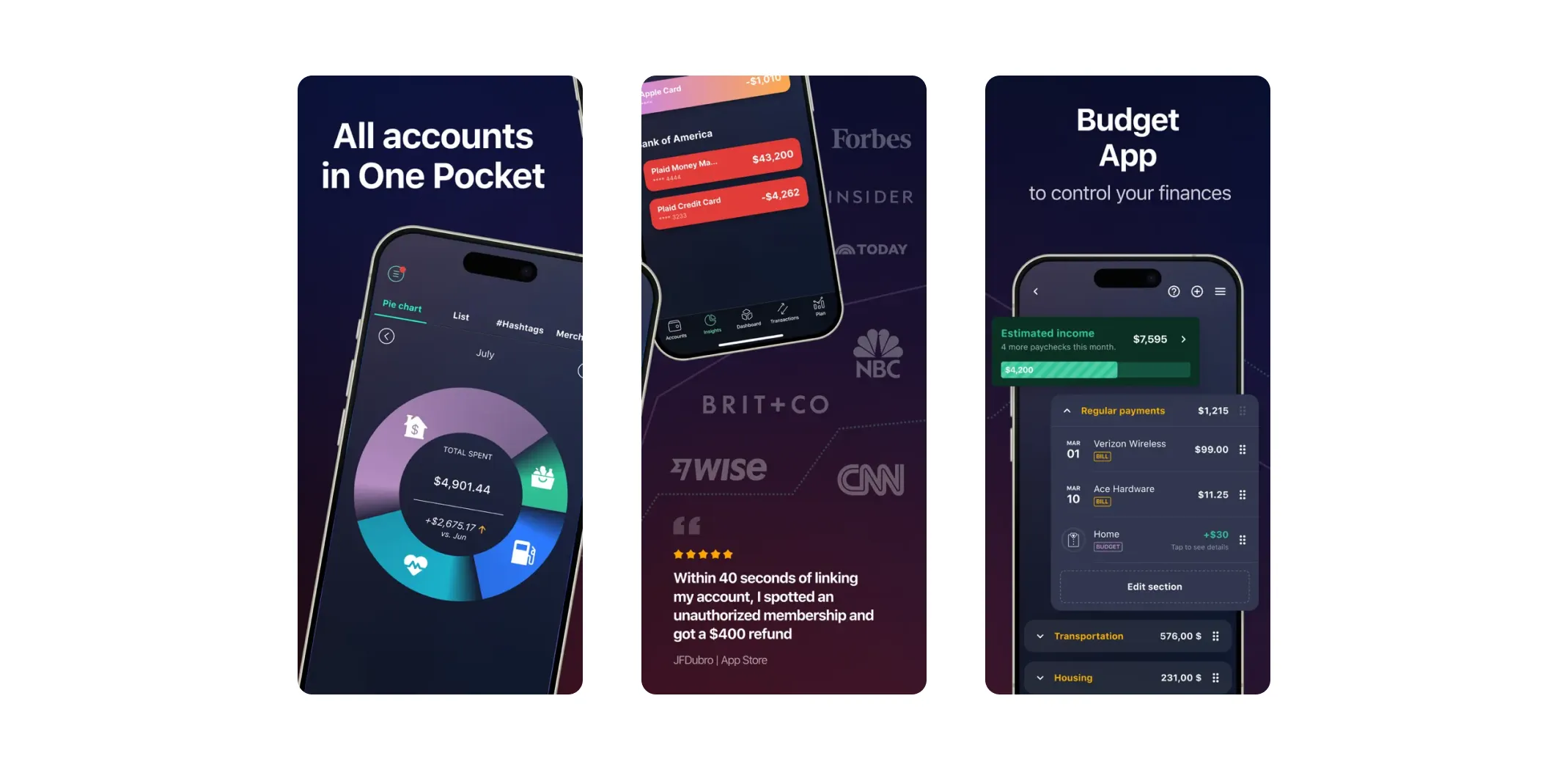
PocketGuard answers one simple question: how much can I safely spend right now? After accounting for bills, savings goals, and upcoming expenses, it shows you one clean number – your “in my pocket” balance. No math required.
It connects to your bank accounts and credit cards automatically and updates in real time. If you tend to overspend without realizing it, PocketGuard gives you a clear guardrail.
Earning potential: Most users identify $80–$200/month in unnecessary spending within the first month.
Pricing: $12.99/month or $74.99/year. A 7-day free trial is available.
If you want to save money without thinking about it
Saving manually requires willpower every single month. These apps remove the willpower requirement entirely.
Oportun
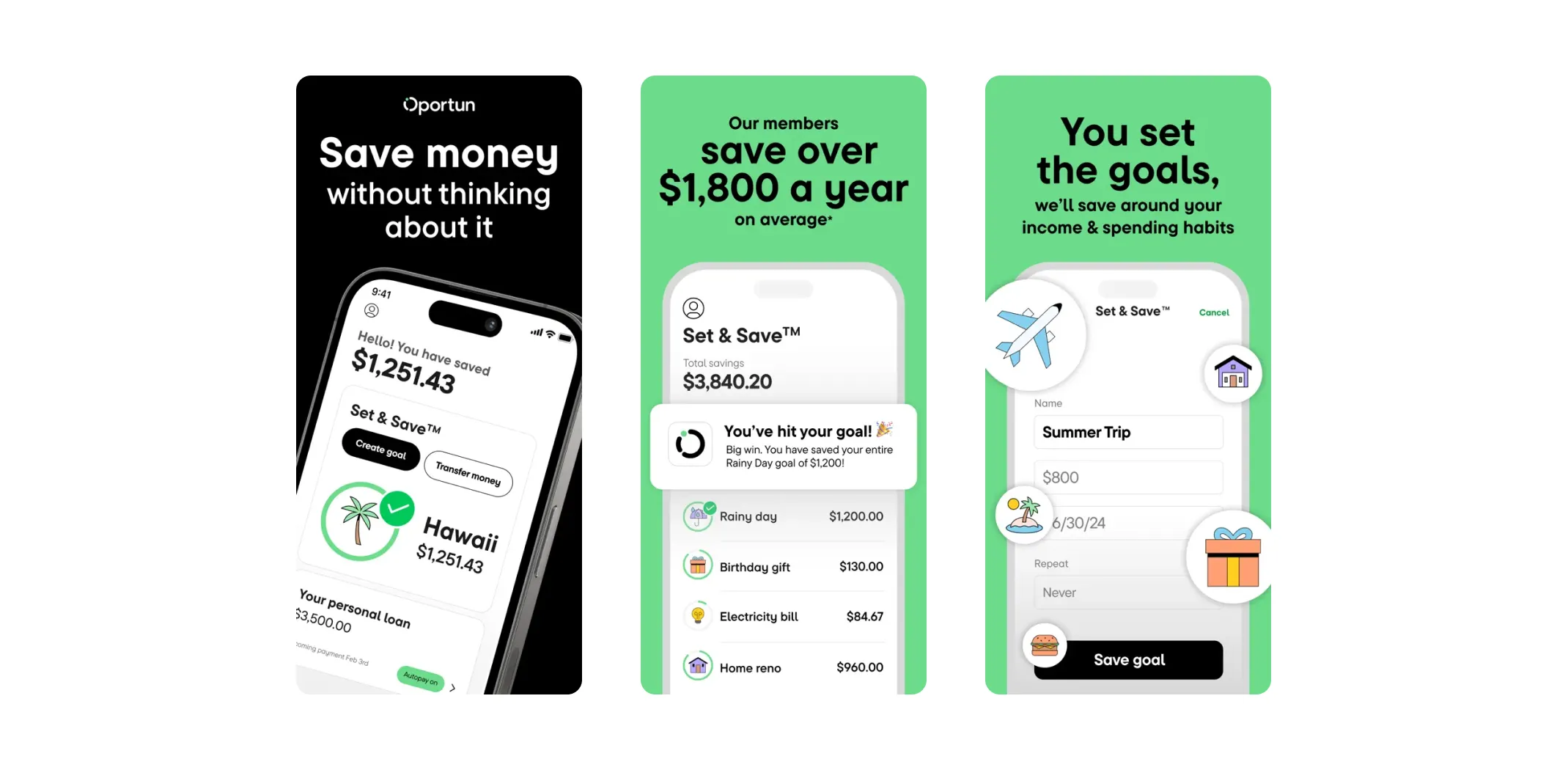
Oportun (formerly Digit) analyzes your income and spending patterns, then automatically moves small amounts into savings at moments when you can afford it. You set your goals – emergency fund, vacation, new car – and the app quietly works toward them in the background.
It is not magic. The amounts it moves are small. But small and consistent beats big and irregular every time. Many users build their first real emergency fund within 6–12 months of using Oportun without ever feeling deprived.
Earning potential: Most users accumulate $50–$200/month in automatic savings without changing their lifestyle.
Pricing: Free to use.
If you want to pay off debt faster
Debt has a way of feeling permanent. These tools help you see a way out – and move toward it strategically.
Tally
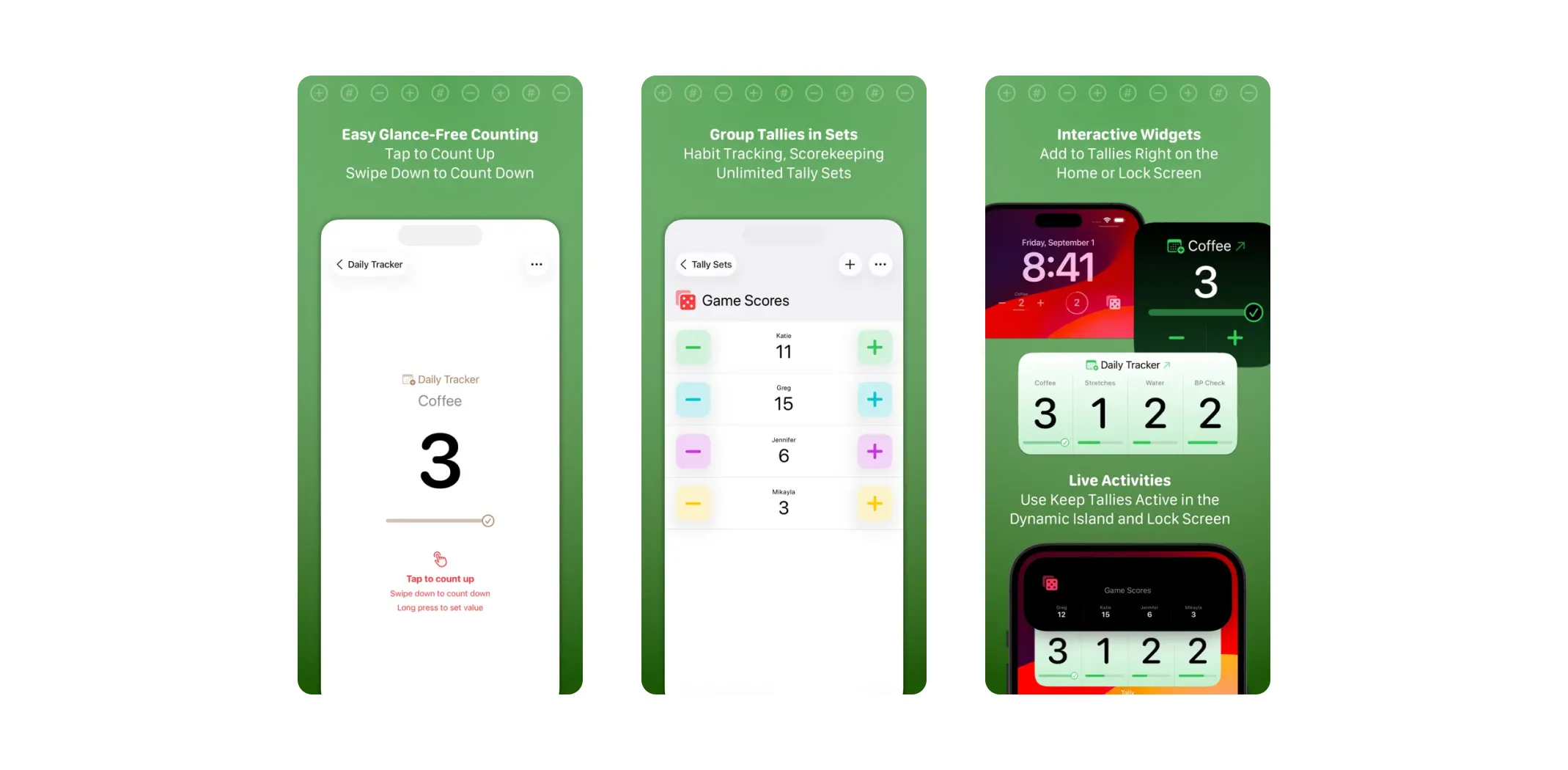
Tally focuses on credit card debt specifically. It tracks all your cards, prioritizes payments toward the highest-interest balances first, and automates the process so you never miss a due date or pay more interest than necessary.
If you have multiple cards with different rates, Tally can save you a meaningful amount of money just by optimizing the order you pay them off. The free version covers the essentials. Tally Pro adds more advanced automation for $9.99/year or a one-time $29.99 lifetime purchase.
Earning potential: Interest savings of $30–$150/month are realistic for users carrying $5,000–$15,000 in credit card debt.
If you want to track net worth and grow wealth
Once you have your spending and saving under control, the next step is building. These apps give you the full picture.
Empower
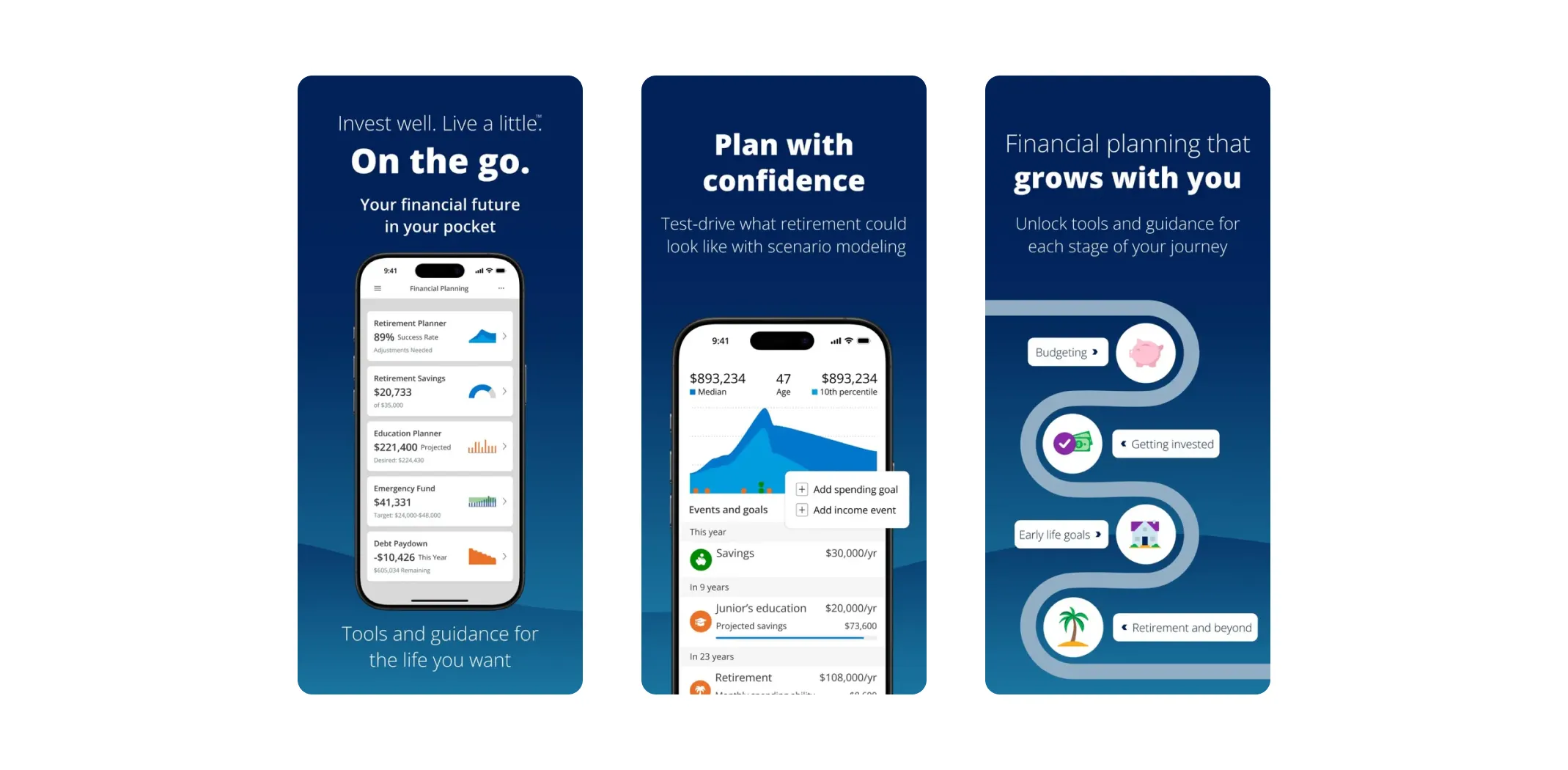
Empower connects all your financial accounts in one place – bank accounts, investment portfolios, retirement accounts, loans – and shows your net worth updated in real time. It also analyzes your investment fees, which many people are unknowingly overpaying without realizing it.
The budgeting and wealth tracking tools are completely free. Optional paid advisory services are available if you want a human financial planner involved, but the free tools alone are genuinely powerful.
Earning potential: Empower is about visibility, not direct savings – but most users identify at least one fee or account issue worth hundreds of dollars per year once they see the full picture.
Honeydue
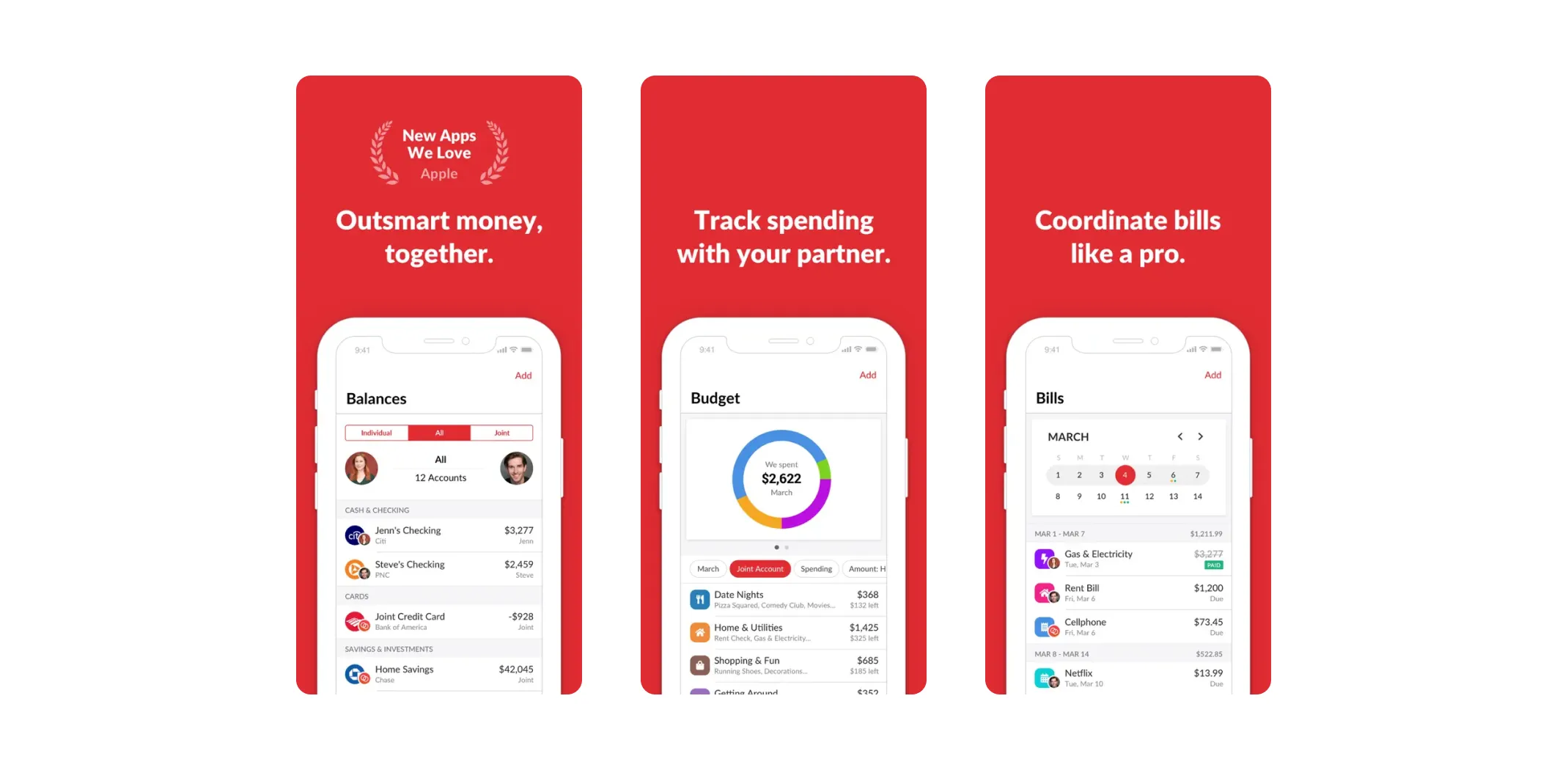
If you share finances with a partner, roommate, or family member, Honeydue is worth knowing about. It connects both people’s accounts in one shared view, tracks joint expenses, and even has a built-in chat feature for money conversations. Bills, shared goals, and spending categories are all visible to both people – which removes a lot of the friction that causes money arguments.
Pricing: Free, with optional tips of $1–$10/month.
How to make money tracking actually stick
Downloading an app is easy. Using it consistently is where most people fall off. Here is how to build a habit that lasts beyond the first two weeks.
Start with one category
Do not try to track everything at once. Pick the category that stresses you out most – food, subscriptions, entertainment – and watch that one thing closely for a month. Once you get comfortable, expand to others. Small wins early on keep you going.
Check in once a week, not every day
Daily money checking leads to anxiety. Weekly check-ins lead to action. Set aside 10 minutes every Sunday to review the past week. Look for patterns, not problems. You are not judging yourself – you are gathering information.
Celebrate the small wins
Paid off a small balance? Built your first $200 emergency fund? That is real progress. Most people blow past small wins looking for the big moment. But momentum comes from noticing and celebrating every step forward, not just the finish line.
Let the app do the math
The whole point of the best personal finance apps is that you do not have to crunch numbers manually. Connect your accounts, set your categories, and let the app track and report. Your job is to look at the results and make one small decision. Not ten. Just one.
Give yourself some grace
Everyone overspends sometimes. It is not failure – it is feedback. One bad week does not erase three good weeks. If you slip, just pick it back up. Consistency over months matters far more than perfection in any given week.
Pro tip: After your first 30 days, sit down and ask yourself: “What is one change I can make without feeling deprived?” That question alone has helped thousands of people find their first real financial traction.
What to look for when choosing a personal finance app
With so many options available, it helps to have a checklist before committing. Here is what actually matters.
Security comes first
Any app you link to your bank accounts should use 256-bit encryption at minimum, two-factor authentication, and clear data privacy policies. Established platforms like Empower and YNAB have strong security records. Always check reviews mentioning account issues before connecting anything.
Free vs. paid: what you actually need
For most people who are just starting out, free versions of spending trackers like Empower or Oportun cover the basics well. Paid apps like YNAB and PocketGuard are worth it if you want structured budgeting frameworks and more detailed reporting. The $10–$15/month cost pays for itself quickly if it helps you cut even one spending category.
Make sure it works on your phone
This sounds obvious, but it matters. If the app is clunky or slow on your device, you will stop using it. Read recent app store reviews from the past 3–6 months specifically looking at performance. The best app is the one you actually open.
Beginner, intermediate, or advanced – know where you are
If you have never tracked your spending before, start with something simple and free like Oportun or PocketGuard’s basic version. If you have tried tracking before but could not make it stick, YNAB’s structured system is worth the investment. If you already budget consistently and want to grow wealth, Empower gives you the full financial picture in one place.
Why Sellvia is a game-changer for your online store 🚀
Sellvia is not just another ecommerce tool. We are a trusted name in the industry, recognized by Forbes and even ranked in Inc.’s list of the 5,000 fastest-growing companies in the U.S. So if you are serious about starting as a solopreneur, this is a smart place to begin.
Starting an online business can feel overwhelming, but that is exactly where Sellvia steps in. It takes care of the tricky parts, so you can focus on making sales and growing your brand. Let us break down what makes it such a great choice.
Get a ready-to-go store hassle-free 🎯
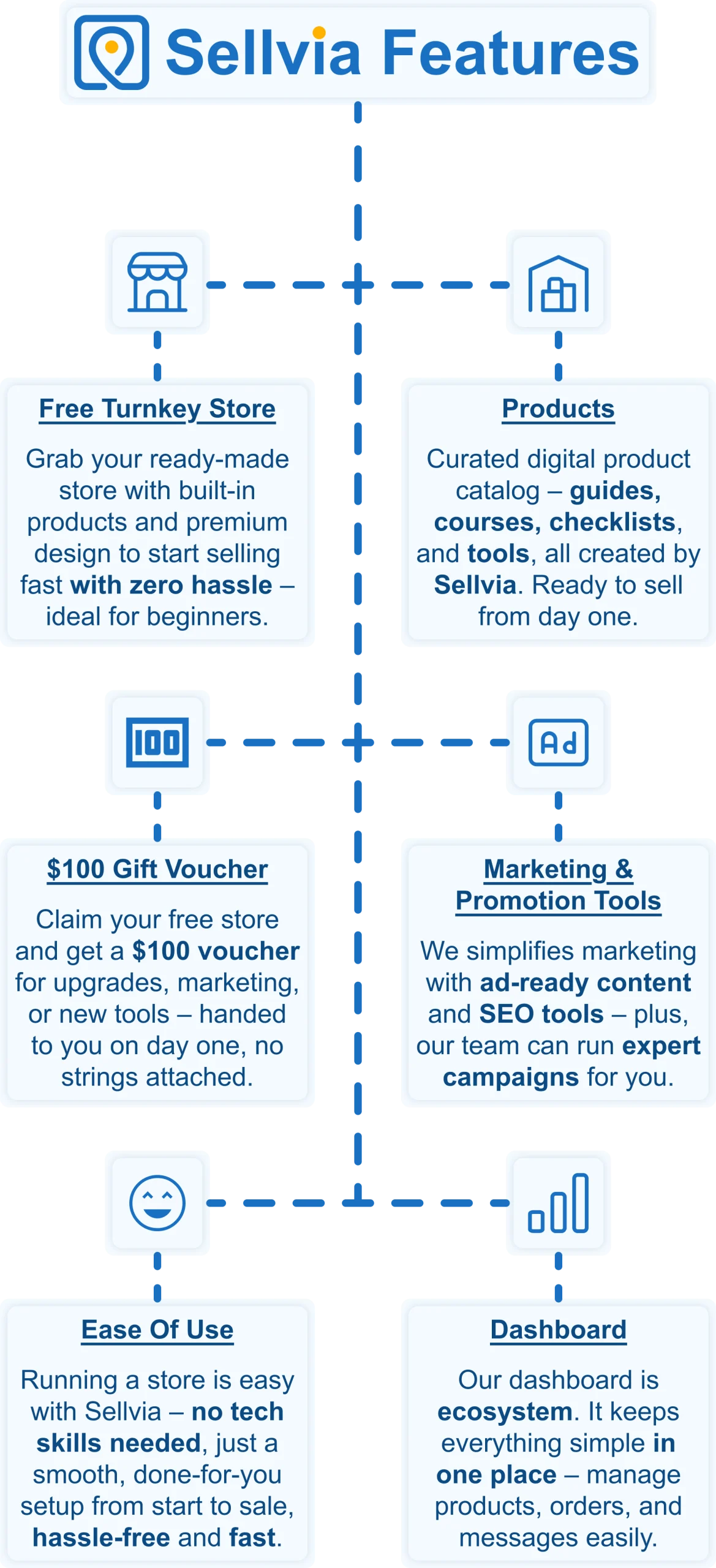
Want to start selling but do not know where to begin? No worries! Just share your ideas, and Sellvia’s team will build a free ecommerce website that is fully set up and ready to take orders from day one. No coding, no stress – just a store that works right out of the box.
A $100 gift voucher to grow your business faster 🎁
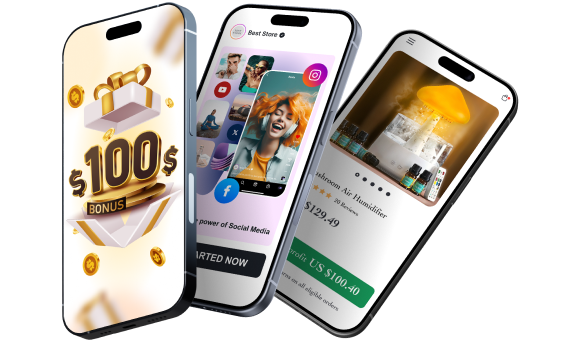
Starting a business takes momentum – and Sellvia gives you a head start. When you claim your free store today, you also get a $100 gift voucher to put toward growing your business. Use it to upgrade your store, boost your marketing, or unlock new tools. It is a real dollar value, handed to you on day one, with no catch and no hoops to jump through.
A massive catalog of digital products to sell 🏆
One of the biggest struggles in starting an online business is figuring out what to sell. Sellvia solves that completely. Your store comes pre-loaded with digital products – guides, courses, checklists, and tools – all created by Sellvia. You keep 50–70% of every sale. No inventory. No shipping. No logistics headaches.
Everything in one easy-to-use platform 🔥
Managing an online store should not be complicated. With Sellvia, you can handle orders, add new products, and even chat with customers – all from a simple and user-friendly platform. No need to mess with confusing tools or deal with unnecessary tech stuff. It is all smooth sailing.
No upfront costs, just start selling 💰
A big reason people hesitate to start an online business is the cost. But here is the good news: with Sellvia, you do not need to invest in stock, storage, or shipping supplies. You can run your store with no upfront costs, keeping things low-risk while still making money.
Support that is always got your back 🤝
Running a business comes with questions, but you are never alone. Sellvia’s dedicated support team is available 24/7 to help with anything you need. Whether it is a small question or a big challenge, they have got you covered.
The best personal finance apps help you spend less – but a Sellvia store helps you earn more. Claim your free store today and start building the income your budget has been waiting for.
What are the best personal finance apps for beginners?
Can personal finance apps help me save money automatically?
Yes, several of the best personal finance apps are designed specifically around automatic saving. Oportun analyzes your income and spending, then transfers small amounts into savings at times when you can afford it without feeling it. Most users accumulate between 50 and 200 dollars per month this way without changing their lifestyle. The key is connecting your bank account and letting the app run in the background rather than relying on willpower to save manually.
Are personal finance apps safe to link with bank accounts?
Reputable personal finance apps use 256-bit encryption and two-factor authentication to protect your data. Established platforms like Empower, YNAB, and Oportun have strong long-term security track records. It is important to read-only access permissions when connecting accounts, meaning the app can see transactions but cannot move money without your approval. Always check app store reviews from the past 3 to 6 months before linking any financial account to a new platform.
Do the best personal finance apps cost money or are free versions enough?
Free versions of apps like Empower and Oportun cover the essentials for most people who are just starting out. Paid apps like YNAB at 14.99 dollars per month and PocketGuard at 12.99 dollars per month are worth it if you want structured budgeting systems and more detailed reporting. The monthly cost typically pays for itself within the first 30 days if it helps you identify and cut even one spending category. Start free, then upgrade if you feel you need more structure.
Which personal finance app is best for someone who wants to earn more money?
The best personal finance apps are tools for managing what you already earn – they do not help you earn more. If growing your income is the goal, a better step is adding a new revenue stream alongside your main paycheck. Sellvia lets you launch a free online store pre-loaded with digital products to sell, with 50 to 70 percent profit per sale and a built-in advertising system that many users activate on day one. The 14-day free trial includes a 40-dollar ad coupon so you can test it with no upfront investment.