




If you are about to buy your first online store, you have probably done plenty of research already. You have read the guides, watched the videos, and looked at the numbers. But there is a gap between knowing the basics and actually going through with it – and that gap is full of things nobody warns you about.
This is the real talk. The emotional side, the costs that catch people off guard, what the first month actually looks like, and the one regret that comes up more than anything else.

The emotional ride is real – and it is completely normal
Every first-time buyer goes through the same cycle. It starts with excitement – you find a store that looks great, the numbers make sense, and you can already picture yourself running it.
Then comes the overthinking. You start second-guessing everything. Is this the right niche? Are the numbers too good to be true? What if something goes wrong after the purchase?

After that comes the quiet phase – where you almost talk yourself out of it entirely. You tell yourself you need to do more research, wait a little longer, save a little more.
And then, if you actually go through with it, something shifts. Confidence builds because you realize the thing you were afraid of was the unknown – and once you are inside the business, the unknown becomes concrete. You can see the dashboard, check the numbers, and talk to a real person who helps you figure it out.
That cycle is not a sign that something is wrong. It is how every first-time buyer feels. On Sellvia Market, the process is designed to make that transition smoother. You can check verified data before you buy. And a personal growth manager is assigned within 24 hours – someone who stays with you from day one.
The costs nobody mentions upfront
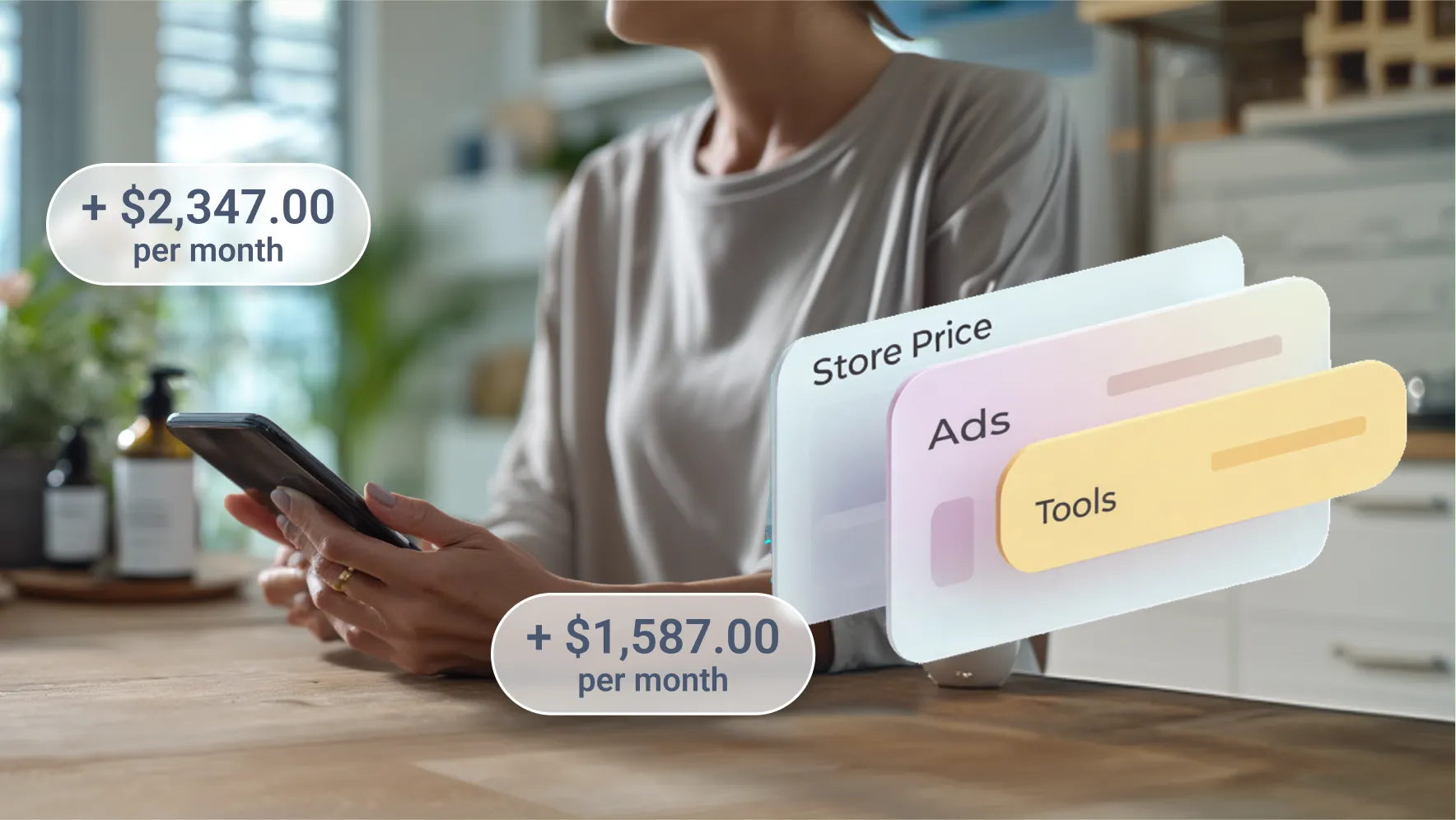
The price of the store is the obvious number. However, there are a few smaller costs that catch first-time buyers off guard because they never show up in the “how to start an online business” articles.
The advertising budget is the big one. A store needs traffic to make sales, and traffic costs money. You should plan to set aside a comfortable amount for promotion in those first weeks – not a fortune, but enough to keep the store visible while you find your rhythm.

On top of that, there are small operational costs that add up: software renewals, payment processing setup, and basic tools to run the day-to-day. None of these are large individually, but together they can surprise you if you are not expecting them.
The good news is that when you buy on Sellvia Market, many of these costs are already built into the platform. You do not need to stitch together five different tools – the dashboard handles most of what you need in one place. Flexible installment plans also mean you are not spending your entire budget on the purchase itself. That leaves room for those first-month expenses.
What the first 30 days actually look like
Here is what nobody tells you: the first month is not about growing. It is about learning.
You spend the first week getting familiar with your dashboard, understanding your products, and figuring out how orders work. Your growth manager – a real person, not a chatbot – walks you through the basics and answers every question you have.
By week two, you are starting to feel the rhythm. You know where to check your numbers, you understand what your customers are buying, and the platform starts to feel like your own.
Weeks three and four are where most new owners start making their first small decisions – adjusting how they promote the store, exploring which products perform best, and settling into a routine that fits their schedule. For some people that is a few hours a day. For others it is something they check in on between other responsibilities.
Naturally, by the end of month one, you are not an expert. But you are no longer a beginner either. You have a working business, real data, and a support person who knows your store.

Why sales might dip during handover – and why that is fine
This is one of the most important things first-time buyers need to hear: a small dip in performance right after you take over is completely normal.
It happens because every transition involves a brief adjustment period. Promotion might pause for a few days during the handover. You are still learning the store. The rhythm is temporarily interrupted.
On most platforms, this transition can take weeks. On Sellvia Market, you get immediate access to your store after purchase. The full transfer completes in under 48 hours through secure escrow. That shorter window means less disruption and a faster return to normal performance.
In other words, any dip tends to be small and short-lived. Within a few weeks, most new owners match or exceed the previous numbers – because now they are the ones paying attention, making decisions, and putting in the care.
How a personal growth manager changes everything

If you have ever tried to build something online by yourself, you know the hardest part is not the work. It is having nobody to ask when you are stuck.
That is exactly what a growth manager solves. On Sellvia Market, every buyer gets a dedicated growth manager – a real person assigned within 24 hours of purchase. They are not reading from a script. They know your store, they know the platform, and they are there to answer real questions with real guidance.

For first-time buyers especially, this changes the experience completely. Instead of googling at midnight and hoping the answer applies to your situation, you have someone in your corner who already knows your numbers.
That kind of support is the difference between feeling lost and feeling capable. As a result, for most first-time buyers, having a growth manager is the single thing that makes the whole process less scary than they expected.
The biggest regret when you buy your first online store
You would think the most common regret is buying the wrong store. It is not.
In fact, the regret that comes up again and again is waiting too long to start. People spend months – sometimes over a year – reading, researching, comparing, and planning. And when they finally buy their first online store, the overwhelming feeling is: “I should have done this sooner.”
That delay is expensive in ways people do not think about. Every month you spend thinking about it is a month you could have been earning from a real business. Even if you start small, even if your first store is an entry-level listing with installment payments – that first step is what turns the idea into something real.
If you are ready to buy your first online store, Sellvia Market was built for exactly this moment. Every listing shows verified performance data, every purchase is protected, and every buyer gets personal support from day one. Sellvia Market is featured by Forbes, Inc., NBC, Fox News, and Entrepreneur, and has helped over 500,000 entrepreneurs take that step. You do not need to be ready for everything. You just need to be ready to start.