



If you have ever wondered whether buying an ecommerce store actually works – not in theory, but in real life – this is for you. We looked at buyer results across different store types and price points to give you an honest picture: the wins, the slow starters, and what actually separates the two.
What the first 6 months actually look like
The first month is rarely the most exciting one. Most new owners spend it learning the dashboard, understanding their audience, and making small tweaks. Revenue during this phase is modest – and that is completely normal.
By months two and three, things tend to pick up. Buyers who stay consistent with their marketing efforts start seeing more predictable traffic and repeat orders.
The six-month mark is where the picture becomes clearer. Buyers who engaged with their growth manager regularly, kept their store active, and tested even basic marketing channels tend to report meaningful progress. Those who stayed mostly passive saw slower results.

The range is wider than you might expect
Not every buyer hits the same numbers – and that is worth saying plainly.
Some buyers come in with marketing experience and hit their stride fast. Others are completely new to ecommerce and take longer to find their footing. Both paths are valid.
What the data shows consistently: stores in niches with steady everyday demand – home goods, pet accessories, personal care – tend to generate more reliable early revenue than highly seasonal or trend-dependent categories.
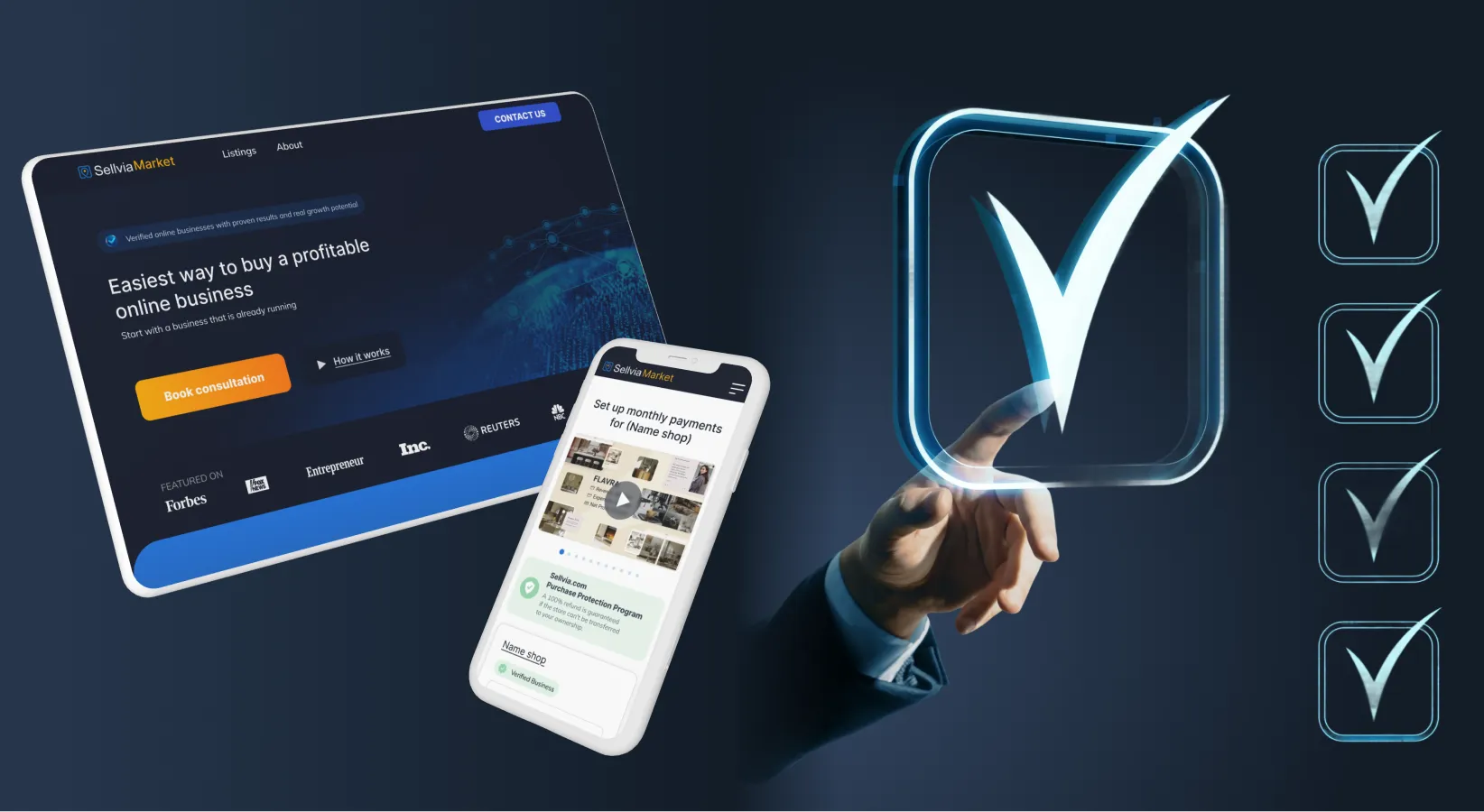
The installment plan is what makes Sellvia Market genuinely accessible. Instead of paying the full price upfront, you spread the cost over time – which means you can get into a verified, revenue-generating store without a large lump sum. It is one of the few places in ecommerce where that option actually exists.
What top performers have in common
Looking at buyers who reported the strongest results in their first six months, a few patterns stand out.
They used their growth manager. This is not a small thing. Buyers who had regular check-ins, asked questions early, and followed through on recommendations consistently outperformed those who tried to figure everything out alone.
They picked a niche they understood. Not necessarily a passion project – just a category where they could speak naturally to the audience and recognize a good product when they saw one.
They treated it as a business, not a lottery ticket. That means steady attention – reviewing what is working, adjusting what is not, and staying patient through the early weeks.

Two buyer stories
Marcus, home organization store, started with installment plan

Marcus bought a mid-range store in the home organization niche. He had no prior ecommerce experience and chose the installment plan to keep his finances flexible. His first month was all about getting familiar – learning the dashboard, understanding his customers, and watching the first orders come in from organic traffic already built into the store. By month three, he had launched his first ad campaign with guidance from his growth manager and started seeing consistent weekly orders. By month six, his store revenue was covering his installment payments with room to spare. He now considers it his primary side income.
Diana, pet accessories store, full payment
Diana came in with some social media marketing background and bought a pet accessories store outright. Her start was faster – she knew how to create content and drive traffic. But even she hit a slow patch in month two when her first ad set underperformed. Her growth manager helped her pivot the creative approach. By month four she was back on track, and by month six she had her most profitable month yet. Her takeaway: “The support made the difference when things did not go as planned.”

How much time does it take
This depends almost entirely on your approach. Some owners treat their store as a side hustle and check in during evenings and weekends. Others go full-time from day one to scale faster. There is no single right answer.
What matters more than hours is consistency. Showing up regularly – even in small doses – tends to produce better outcomes than occasional bursts of activity followed by long quiet periods.
The honest takeaway
Buying a store is not a passive income button. But it is also not a gamble. You are starting with a working foundation – an existing product catalog, established domain, and real performance history.
The buyers who do well are not smarter or luckier. They simply use what is available to them: the store, the data, and the people there to help.

Whether you start with one of the more accessible stores or invest in something more established, the path forward is the same. Pick a store that fits your budget, work closely with your growth manager, and build from there.
Sellvia Market offers both full payment and installment options – so you can choose what works for your situation and start without overextending yourself.
You do not have to have everything figured out on day one. You just have to start your business.