



If you are a parent trying to figure out how to earn from home, someone on a fixed income exploring options, or a person tired of the 9-to-5 who keeps researching but never pulls the trigger – this is the article where the math finally gets clear. Understanding the real cost to own an online business is the first step toward knowing whether this is actually within reach.
The honest answer is that it is more affordable than most people expect. Especially when you compare it to the alternatives. And especially when you factor in that you do not have to pay everything upfront.
How online businesses are typically priced
Most online businesses are priced based on how much they earn. The standard in the industry is a multiple of monthly profit – typically somewhere between 20 and 40 times monthly earnings, depending on how established the business is, how consistent the revenue looks, and how much work is involved.

That means a store earning a few hundred dollars a month will cost less than one earning several thousand. The more proven the track record, the higher the price – and the more confidence you have in what you are buying.
On Sellvia Market, this is even more transparent because the platform has direct access to every store’s dashboard. You are not relying on the seller’s word. You can see verified revenue, profit history, and customer data before you make any decision.
What you get at different price levels
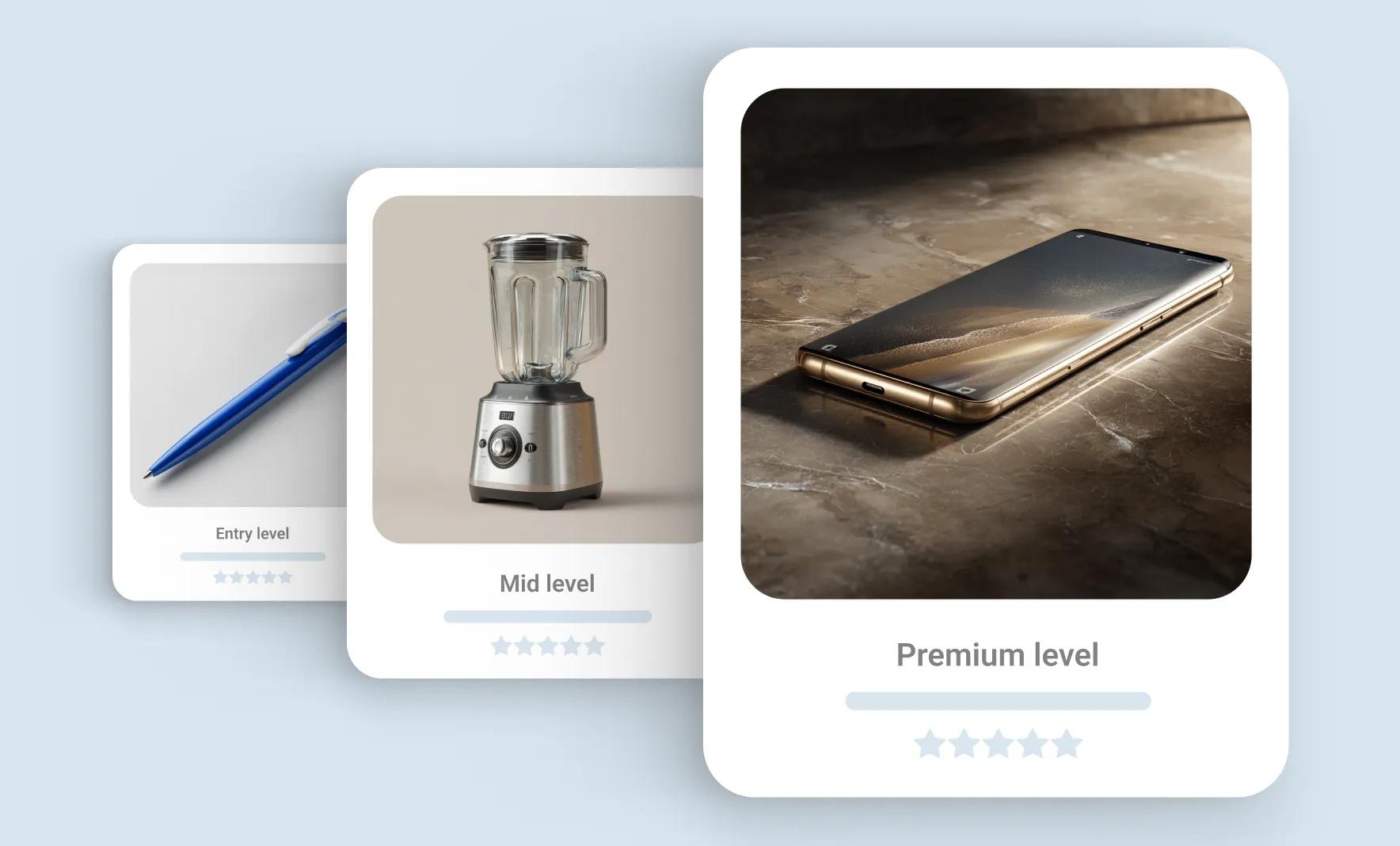
Across the online business marketplace, stores generally fall into three tiers.
At the entry level, you find smaller stores with early traction – real sales, real customers, but still in the early growth phase. These are ideal if you want to learn the process, get comfortable with ownership, and build confidence without a major financial commitment.
In the mid range, stores tend to have a stronger track record, a wider product selection, and more consistent monthly earnings. Buyers at this level are usually looking for something that already feels like a real business – not a project, but a functioning operation they can step into and grow.
At the premium level, you find well-established stores with significant revenue, loyal customer bases, and strong brand identity. These are the kind of businesses that generate meaningful monthly income and have a track record that speaks for itself.
Sellvia Market offers stores across all three levels. Because of that, whether your budget is modest or more comfortable, there is something worth exploring.

The hidden math – what it costs to run the business after you buy it
The purchase price is not the only number that matters. However, the ongoing costs are smaller than most people expect – and understanding them ahead of time removes the surprise.
Advertising is the biggest ongoing expense. A store needs traffic to make sales, and that means setting aside a budget for promotion. You do not need a fortune, but you should plan for it – think of it as fuel for the engine.
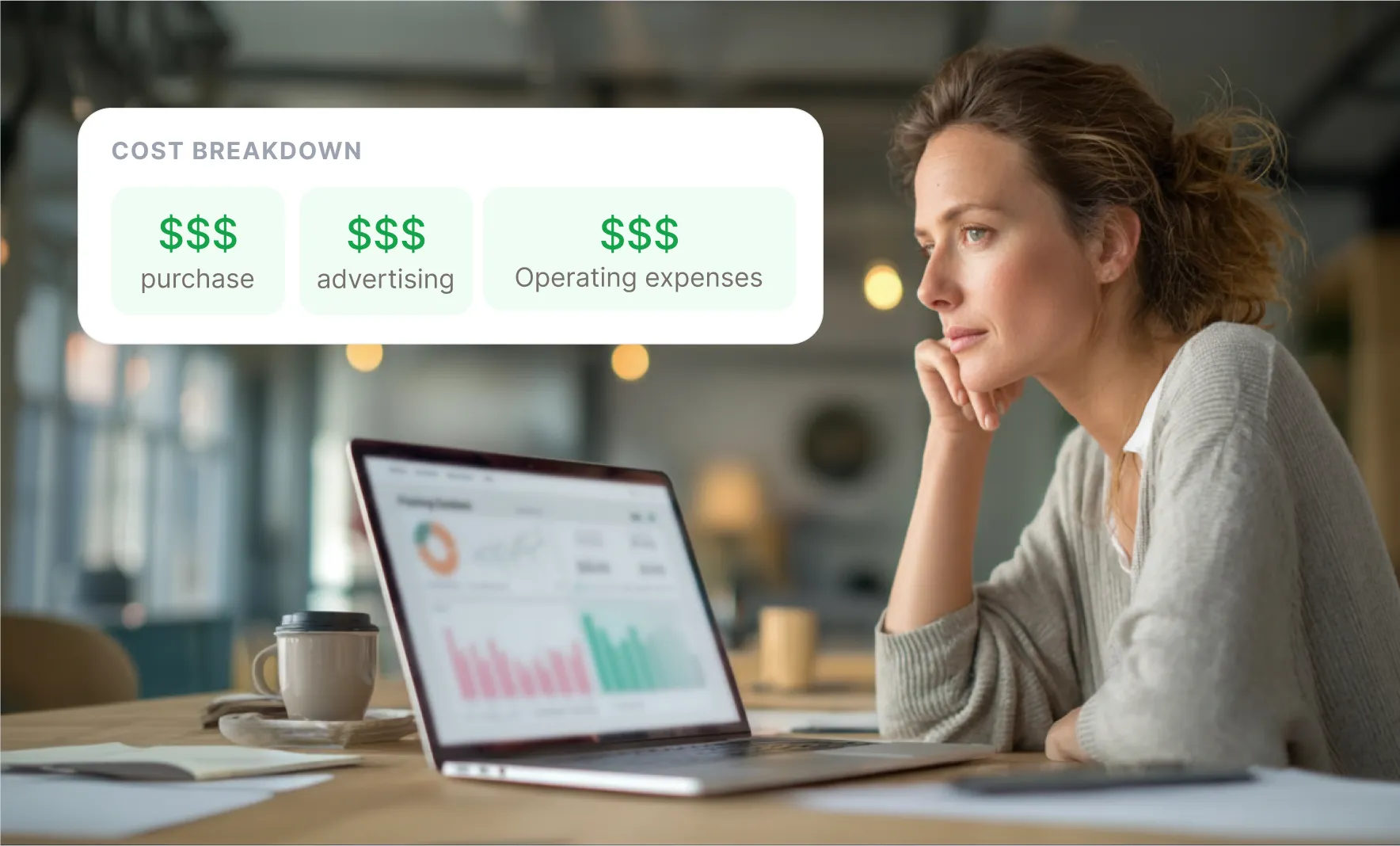
On top of that, there are smaller operational costs: payment processing fees, software renewals, and basic tools for running the day-to-day. The good news is that on Sellvia Market, most of these tools are built into the platform. You do not need to piece together five different services. The dashboard handles the core of what you need in one place.
As a result, the total monthly cost of running an online store is often lower than a typical car payment. For most new owners, it is manageable – especially when the store is already earning.
Monthly payments change everything
This is the part that surprises most first-time buyers. You do not have to pay for the entire store upfront.
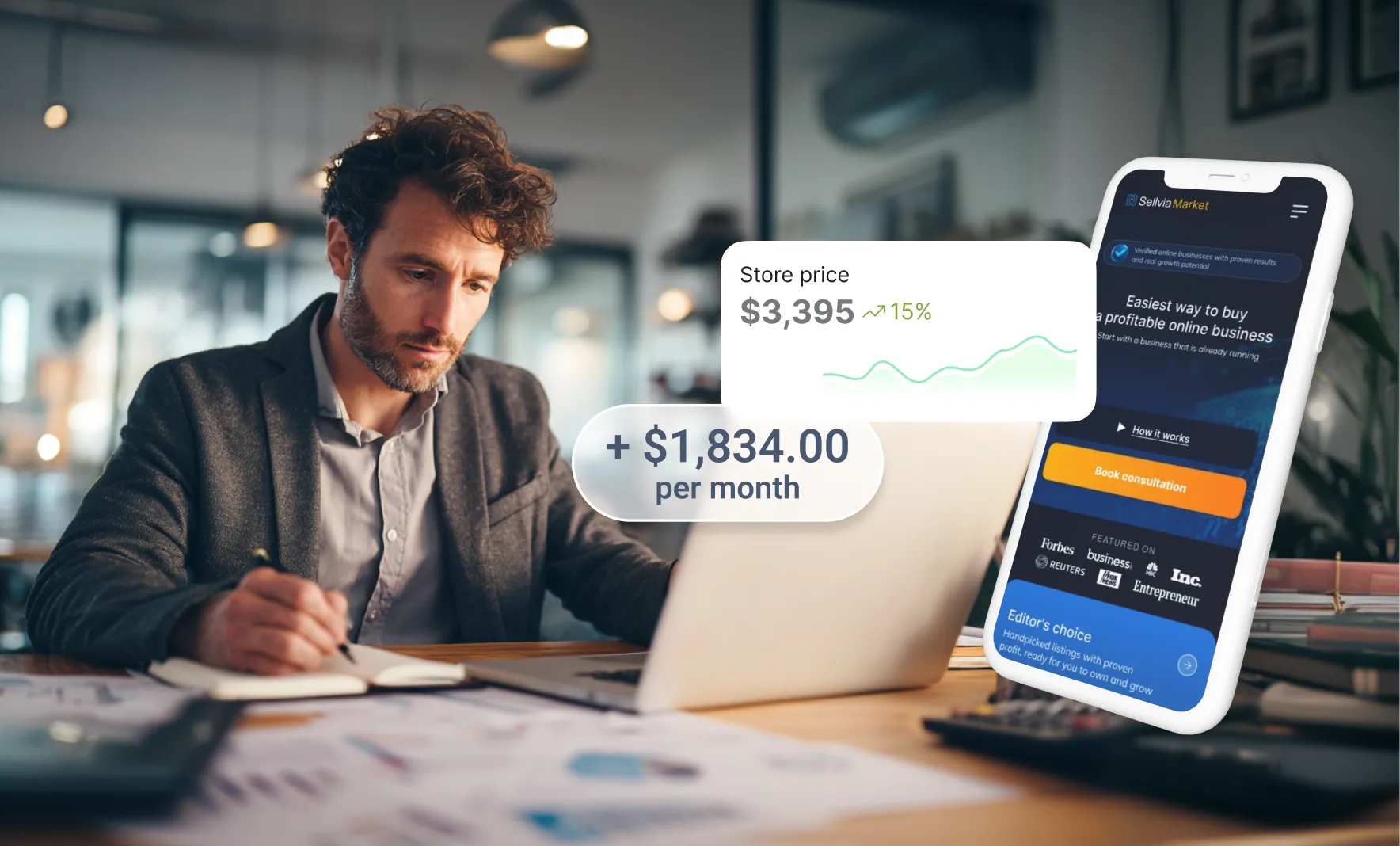
On Sellvia Market, most listings offer flexible installment plans. That means you can get access to a verified, earning business and start running it while you are still paying it off. Your store earns money from day one – and in many cases, those earnings help cover the monthly payments.

For someone living paycheck to paycheck, or someone who tried saving for months but keeps getting pulled back by bills, this is a meaningful difference. It turns the cost to own an online business from a lump-sum barrier into something that fits into a monthly budget.
Naturally, the exact terms depend on the listing and the seller. But the option to pay over time makes ownership realistic for far more people than most articles on this topic suggest.
How this compares to other ways people start businesses
Here is where the perspective gets really interesting.
Starting a business from scratch – building your own website, finding products, testing what works, running ads with no data – typically costs between $1,000 and $60,000 in the first year, according to industry data. And that does not guarantee a single sale. Nearly 20% of new businesses fail within the first two years.
Buying a franchise is another popular path. But franchise fees alone start at $10,000 to $50,000 – and total startup costs for a brick-and-mortar franchise typically run $100,000 to $500,000 or more. A fast food franchise can easily exceed $1 million. On top of that, you are locked into a specific location, strict operational rules, and ongoing royalty fees.
In other words, buying an online store on Sellvia Market – with verified earnings, installment plans, no physical location needed, and a personal growth manager included – is one of the most accessible ways to own a real business in 2026.

The real cost to own an online business comes down to this
You need enough for the first installment payment, a small budget for advertising, and the willingness to show up and learn. That is it.
Everything else – the store, the products, the dashboard, the verified data, the personal growth manager (a real person, not a chatbot) – comes with your purchase on Sellvia Market. You get immediate access to a working business, with a full transfer in under 48 hours through secure escrow.
The cost to own an online business on Sellvia Market is not the barrier most people imagine. It is a monthly payment, a small ad budget, and a personal growth manager who helps you make sense of the first weeks. The math is simpler than you think – and the best way to see it is to browse what is actually available.