


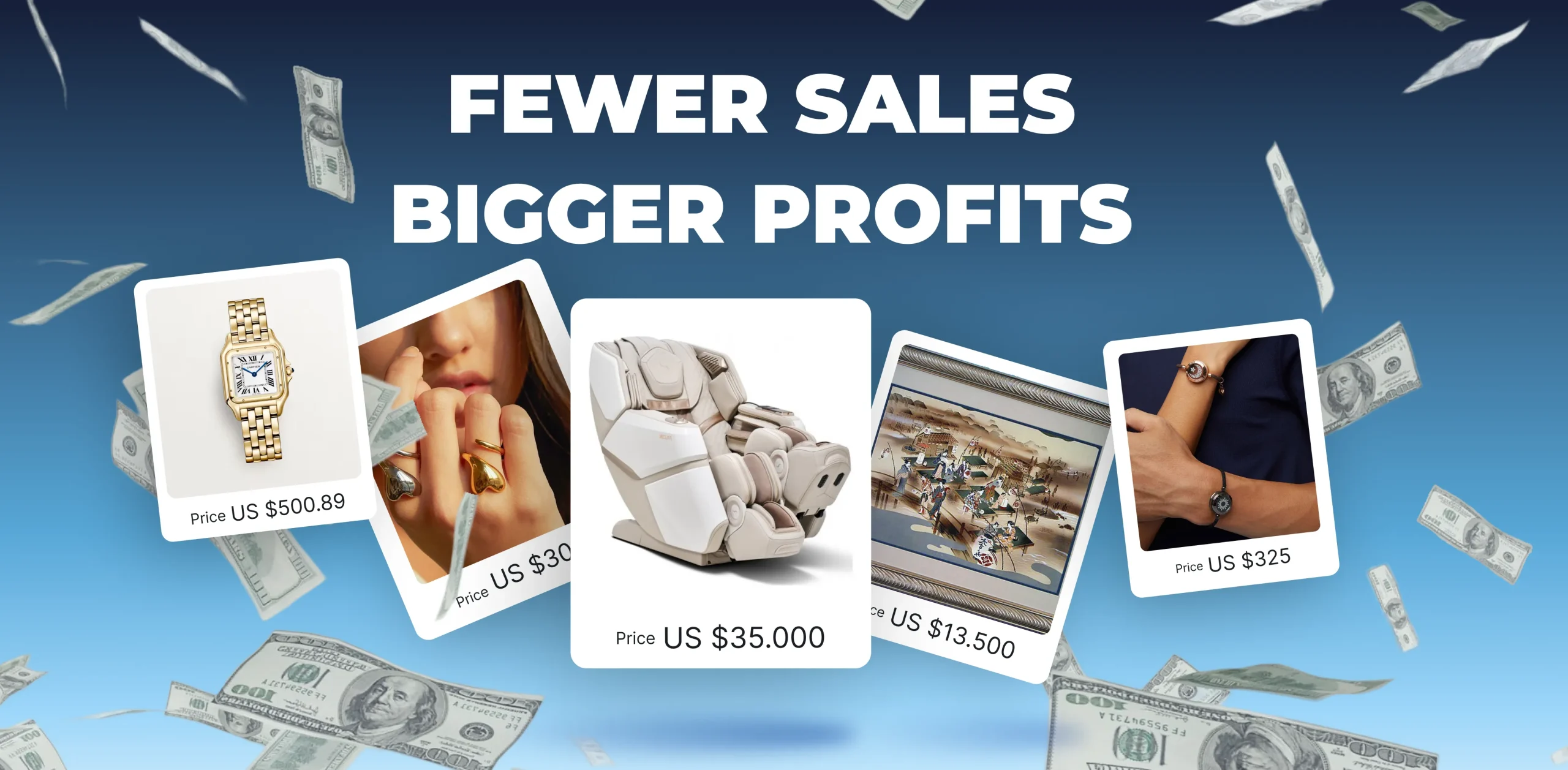
Fewer sales, bigger profits. That is the core idea behind high-ticket dropshipping – and in 2026, it is one of the most compelling models in ecommerce for anyone who wants meaningful returns without chasing massive volume.
This guide breaks down what high-ticket dropshipping actually looks like, how it differs from standard dropshipping, and how to figure out if it is the right fit for you.
What high-ticket dropshipping actually means
High-ticket dropshipping means selling products priced roughly between $200 and $5,000 or more. Instead of moving hundreds of low-cost items to generate decent revenue, you close fewer sales – but each one delivers a significantly larger profit.
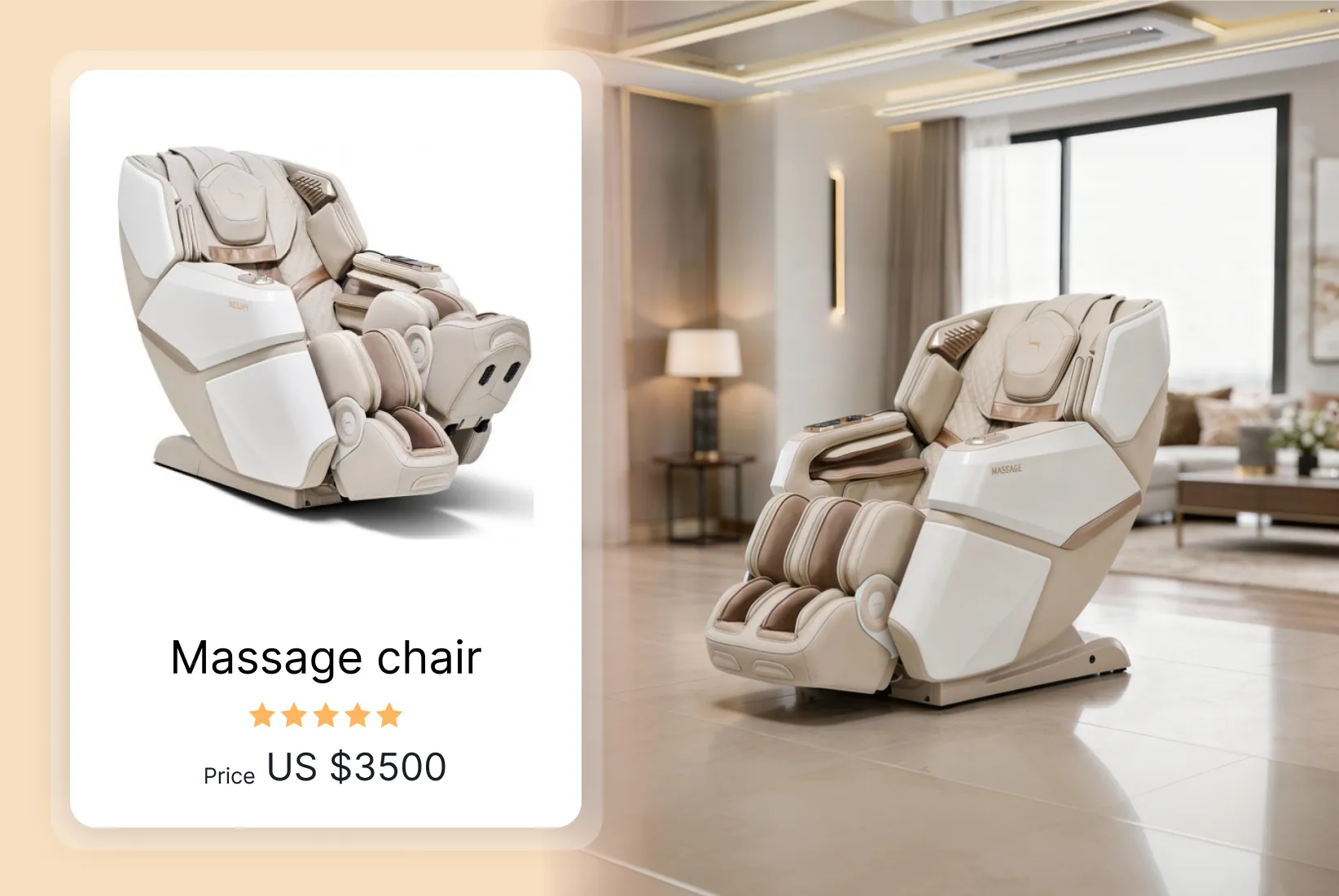
The products vary widely. Home furniture, outdoor equipment, fitness machines, premium pet gear, mobility aids, specialty tools – anything where customers expect to spend real money and make a considered purchase decision.
The model works on the same dropshipping principle: no warehouse, no inventory, no logistics. When a customer orders, the supplier ships directly to them. What changes is the scale of each transaction and the type of customer you are selling to.

How it differs from standard dropshipping
Standard dropshipping typically means products under $50, high order volume, and quick impulse decisions. Margins per sale are thin – profit comes from scale.
High-ticket works differently across several dimensions.
Supplier relationships matter more. With expensive products, reliability is non-negotiable. Established stores on Sellvia Market already have vetted supplier relationships in place – no need to build those from scratch.
Customers take longer to decide. A $1,500 purchase involves research, comparison, and sometimes a direct question before checkout. This is normal and manageable with the right store setup and support systems.
Volume is lower, margin is higher. Where standard dropshipping might yield $5–$20 profit per sale, high-ticket sales commonly deliver $200–$1,500 or more per transaction. A handful of sales per week can produce serious monthly revenue.
Customer service expectations are higher. Buyers spending $500–$2,000 expect prompt, knowledgeable responses. This is a manageable part of running the business – not a burden – and it is also what separates successful high-ticket stores from average ones.

Realistic profit per sale
The numbers are what make high-ticket compelling. Here is a straightforward comparison.
A standard dropshipping store selling $30 products at a 20% margin earns $6 per sale. To make $3,000 a month, you need 500 orders.
A high-ticket store selling a $900 item at a 25% margin earns $225 per sale. To make $3,000 a month, you need roughly 14 orders.
Fewer transactions to manage, fewer customer service interactions, less ad spend per dollar earned. The model rewards quality over quantity at every level.
What it actually requires
High-ticket dropshipping does not require a background in sales or years of ecommerce experience. What it does require is a willingness to engage with customers thoughtfully and a store that is set up to inspire confidence.
Capital: Marketing investment is part of the model. High-ticket buyers often come through paid search, Google Shopping, or targeted social ads. Budgets do not need to be enormous, but some ad spend is part of the equation.
Patience with the sales cycle: Customers may visit your store multiple times before buying. That is expected. A well-structured store with strong product pages and clear policies does most of the convincing.
Responsiveness: Replying to a customer question quickly and helpfully can be the difference between a sale and a lost opportunity. This does not require hours of daily attention – it requires consistency.

Best product categories for high-ticket in 2026
Some categories consistently perform well for high-ticket dropshipping.
Home and outdoor furniture – Sofas, outdoor dining sets, bed frames. Considered purchases with strong average order values and good margins.
Fitness and wellness equipment – Treadmills, massage chairs, infrared saunas. Health spending remains strong, and premium equipment commands premium prices.
Mobility and accessibility products – Scooters, lift chairs, medical-grade equipment. Growing demand, loyal customer base, and very high per-sale value.
Pet gear – Premium beds, enclosures, and accessories for pet owners who treat their animals well. High emotional motivation to buy quality.
Digital and e-goods – This category deserves special attention in 2026. Digital products – online courses, software licenses, templates, design assets – carry near-100% margins with zero fulfillment cost. No shipping, no supplier coordination, instant delivery. Combined with a high-ticket price point, digital products represent one of the highest-margin opportunities in ecommerce today.

What the customer acquisition process looks like
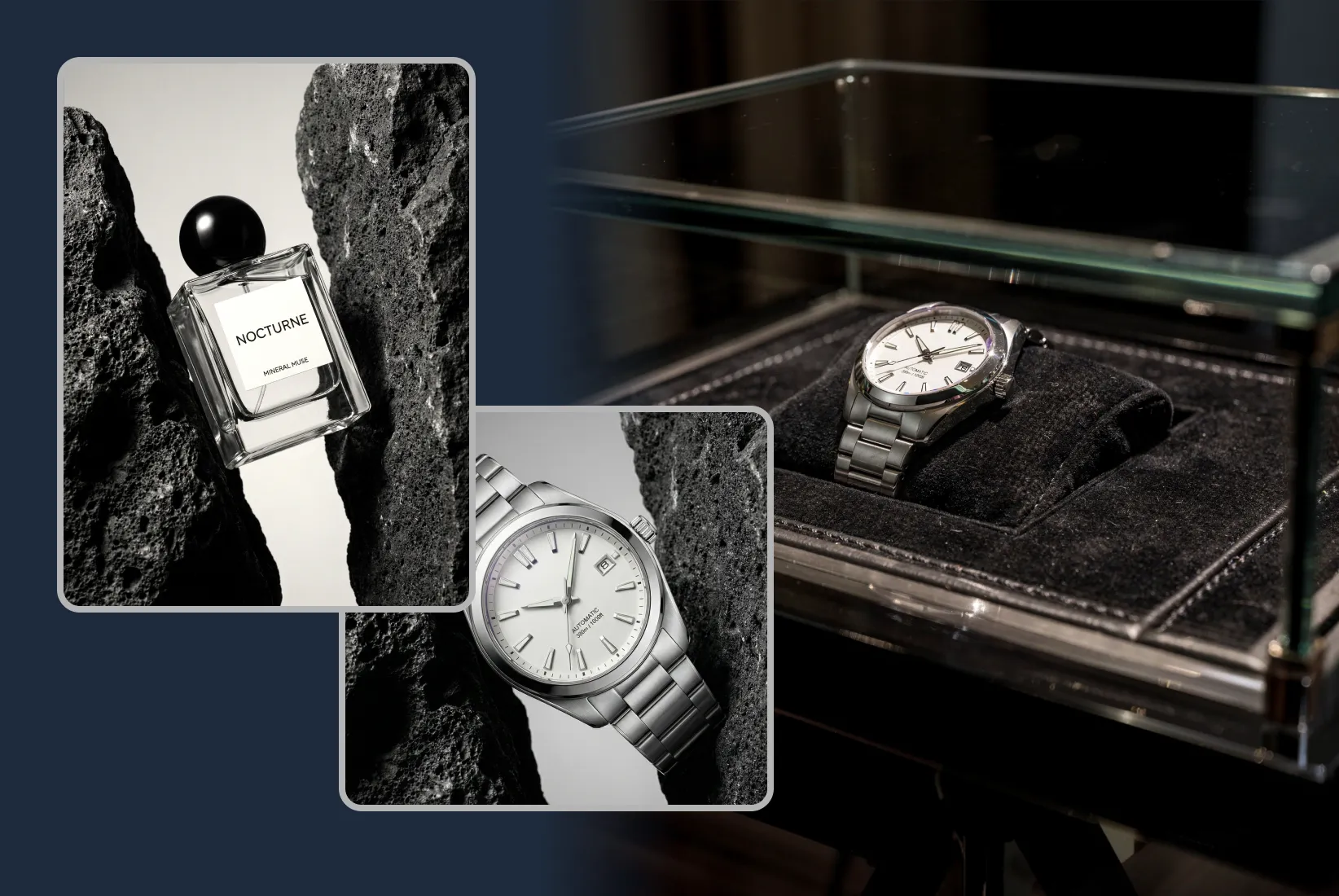
High-ticket buyers do not impulse purchase. Understanding their journey helps you set up your store and marketing to meet them where they are.
A typical path looks like this: a buyer searches for a specific product or solution, finds your store through paid search or organic results, browses product pages and reviews, possibly sends a question, and completes the purchase after one or more visits.
This means your product pages need to be thorough – clear photos, detailed specs, shipping information, and return policy visible without digging. Trust signals matter: reviews, secure checkout badges, and responsive communication all influence the decision.
Your growth manager on Sellvia Market helps you understand which marketing channels work best for your specific store and how to optimize for the buyers most likely to convert.

Is it right for you?
High-ticket dropshipping suits people who prefer quality over quantity – fewer interactions, bigger outcomes, and a business that does not require constant volume to be profitable.
It works well as a side hustle because fewer daily orders means less daily management. It also scales well when you are ready to invest more in marketing and expand your product range.
The established high-ticket stores available on Sellvia Market come with verified revenue, proven product catalogs, and vetted supplier relationships. You get access to a functioning business rather than building one from zero.
The installment plan makes entry accessible without a large upfront commitment. You spread the cost over time while the store continues generating profit – and every sale brings in the kind of margin that makes the investment worthwhile quickly.

High-ticket dropshipping in 2026 is not just realistic – for the right person, it is one of the smartest ecommerce models available. Browse Sellvia Market verified high-ticket listings and see what is possible when the foundation is already built.