


Buying an established ecommerce business gives you a functioning operation from day one – customers already shopping, revenue already flowing, systems already working.
The process is more straightforward than most people expect, especially when working with verified platforms. Here’s your complete roadmap for 2026.
Understanding what you’re actually buying
An ecommerce business includes more than just a website. You’re acquiring a complete operating system with multiple components working together.
The store itself – domain, design, product catalog, and content. Customer relationships – email lists, purchase histories, and repeat buyer patterns. Traffic sources – organic search rankings, social media presence, and proven marketing channels. Operational systems – fulfillment processes, supplier relationships, and customer service workflows.
All these elements transfer to your ownership, letting you continue operations seamlessly from day one.

Step 1: Browse and evaluate options
Start by exploring what’s available across different price points and niches. Sellvia Market displays complete performance data for every listing – revenue history, traffic sources, profit margins, and operational requirements.
Look for stores matching your interests, budget, and time availability. A pet accessories store makes sense if you understand that audience. Tech gadgets work well if you’re comfortable with that space. Home organization products appeal if you appreciate practical solutions.
Budget considerations matter too. Stores range from $4,000 to six figures, each with different scale and requirements. Choose an investment level that feels comfortable rather than stretching beyond your means.
Step 2: Review verified performance data
Sellvia Market verifies every store’s performance through payment processors and analytics platforms rather than accepting seller claims at face value.
Check revenue consistency across multiple months. Steady performance indicates reliable operations. Seasonal variation is fine as long as patterns are documented and understood.
Examine traffic sources. Stores with visitors from multiple channels – organic search, social media, email, direct – show operational diversity. Complete dependence on paid ads means ongoing advertising investment maintains results.
Review profit margins after all expenses. Confirmed margins tell you what the business actually earns, not optimistic projections.

Step 3: Understand operational requirements
Every store fits your schedule differently. Your time investment depends on the strategy you choose and how actively you want to grow – it can work as a side hustle alongside a full-time job, or become a full-time focus if you prefer to scale faster. The beauty is that you decide the pace.
Automated fulfillment handles product sourcing, warehousing, and shipping. You manage marketing, respond to customers, and make strategic decisions about the business direction.
Understanding these requirements upfront helps you choose stores fitting your available time and desired involvement level.
Step 4: Connect with your growth manager
Every buyer on Sellvia Market gets assigned a dedicated growth manager who guides you through evaluation and purchase. This isn’t automated support – it’s personal guidance from someone familiar with the specific stores you’re considering.
Your manager explains performance metrics, answers questions about operations, and helps you understand what ownership actually looks like for particular listings.
This guidance proves especially valuable for first-time buyers who benefit from an experienced perspective on what different data points mean and how stores operate day-to-day.

Step 5: Choose your payment approach

Sellvia Market offers two straightforward payment options.
Full payment provides immediate complete ownership with no ongoing payment obligations. This suits buyers with available capital who prefer simplicity.
Installment plans spread the investment across multiple months, preserving capital for operations and other opportunities. Payment schedules vary by store, with details provided during checkout.
Both options include the same secure processing, complete asset transfer, and support throughout handover. The difference is simply how you structure your investment timeline.
Step 6: Complete secure purchase
Once you’ve selected a store and payment approach, the purchase process happens through Sellvia Market’s secure system.
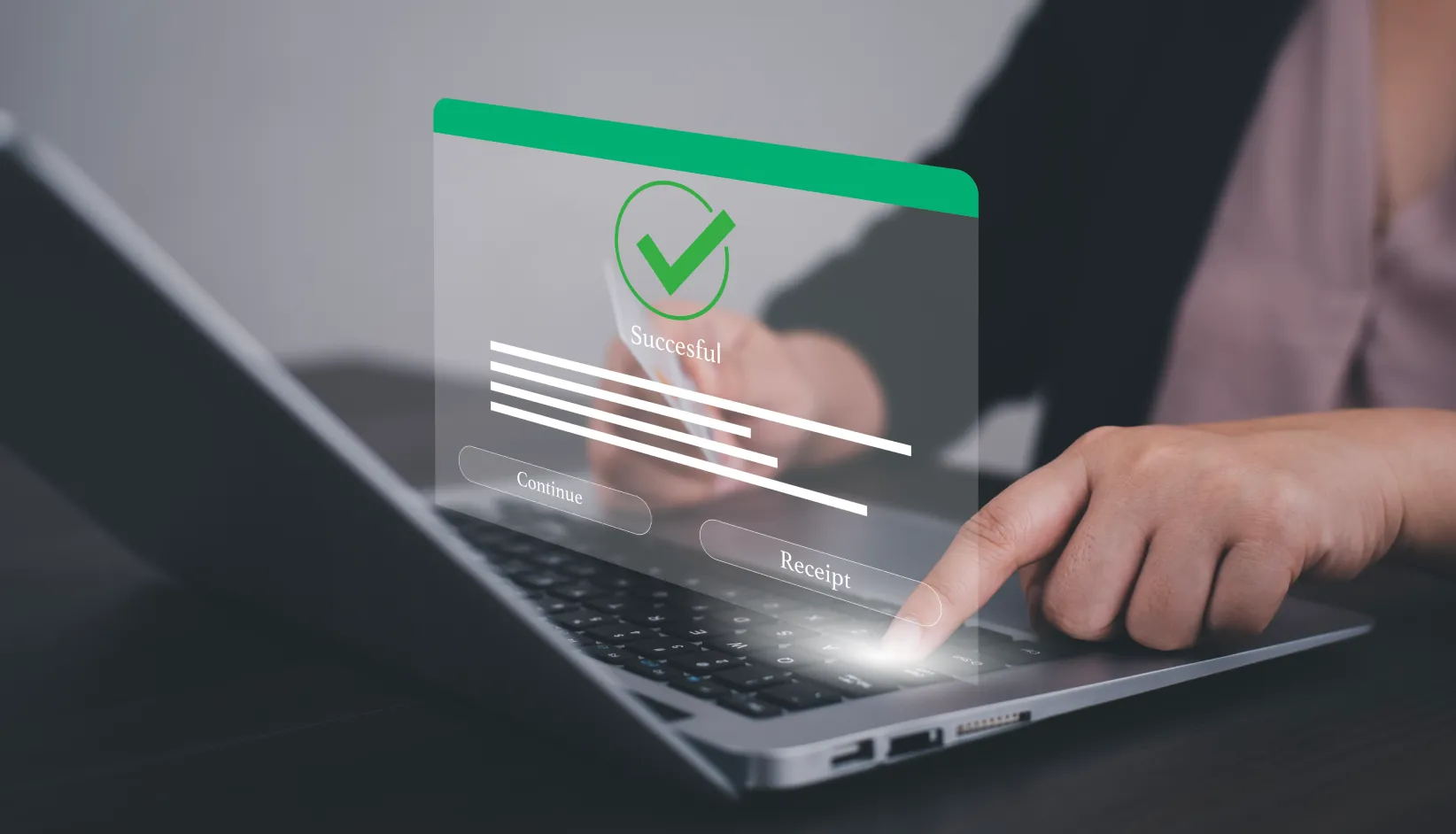
Payment processing is handled professionally with built-in protections. You’re not wiring money to unknown sellers or coordinating complex escrow arrangements. The platform manages transaction security automatically.
Confirmation happens quickly, and the transfer process begins immediately after payment verification.

Step 7: Get access to your new business

Once the purchase is confirmed, you get full access to everything included in your store.
Domain access gives you complete control over your web presence. Store admin lets you manage products, content, and settings. Customer data – purchase histories and buyer information – is available directly through your store dashboard. Social media accounts included in the listing become yours to manage. Payment processor connections are updated so revenue flows to your accounts.
Your growth manager is there throughout this process, making sure everything is set up and accessible from day one.
Step 8: Learn your new business

Your first days focus on understanding how everything works rather than making immediate changes.
Review customer data to understand your audience. Check which products sell most frequently. Examine traffic patterns to see when visitors arrive and what they browse.
Test the order process yourself to experience what customers see. Review any automated email sequences or marketing campaigns already running.
Your growth manager remains available during this learning period, answering questions and explaining systems as you familiarize yourself with operations.

Step 9: Maintain and optimize

Once comfortable with daily operations, attention shifts toward optimization and growth.
Continue what’s working well. If certain marketing channels drive profitable traffic, maintain those efforts. If specific products generate strong margins and repeat purchases, keep them prominently featured.
Test small improvements gradually. Adjust product descriptions based on customer questions. Experiment with different ad images to improve conversion. Try new email sequences to increase repeat purchases.
Your growth manager provides ongoing strategic guidance as you identify opportunities and implement improvements.
Common questions for first-time buyers
Many new buyers share similar concerns. Here’s what helps most people move forward confidently.
Technical knowledge: You don’t need coding skills or technical expertise. Stores operate through user-friendly dashboards with clear interfaces. Your growth manager helps with any technical questions that arise.
Time commitment: Established stores adapt to your schedule. Many owners manage them alongside full-time jobs by dedicating evenings and weekends. Others work on them full-time to scale faster.
Support availability: Your assigned growth manager stays with you beyond purchase, providing ongoing guidance as you run and grow the business.
Risk factors: Buying verified stores reduces uncertainty compared to starting from scratch. Performance data is confirmed rather than projected, and you inherit working systems rather than building and testing everything yourself.

Why 2026 is an excellent time to buy

The ecommerce acquisition market has matured significantly. Verification processes are robust. Payment options are flexible. Support systems are comprehensive.
This maturity benefits buyers. You access transparent data, secure transactions, and expert guidance throughout the process. The uncertainty that existed years ago has been systematically eliminated.
Stores available today represent genuine opportunities with documented performance rather than speculative ventures hoping to find product-market fit.
Starting now means building experience and equity in online business while others continue planning and researching.
Your next step
The acquisition process begins with browsing available stores and understanding what interests you. Sellvia Market’s complete transparency means you can evaluate opportunities confidently from the start.
Revenue is verified. Traffic is documented. Operational requirements are clear. Your growth manager is ready to guide you through evaluation and purchase.
Choose between full payment or installments based on your situation. Either way, secure processing and complete support make the transaction straightforward.
Your ecommerce business is ready. Browse Sellvia Market verified stores, get expert guidance throughout purchase, and start building your online business today.