


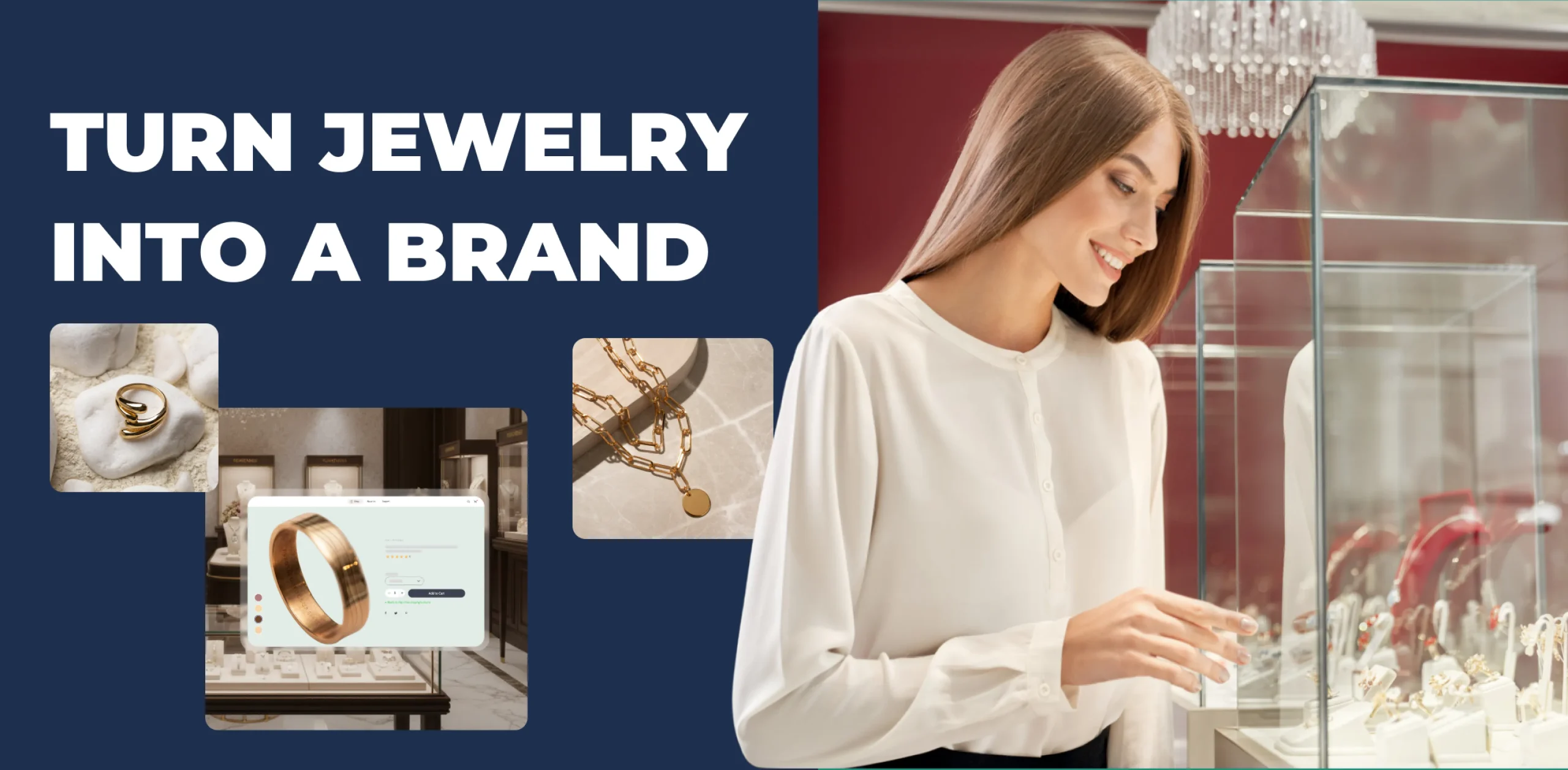
Jewelry sells because people want to express themselves. A necklace is not just metal and stones – it is how someone shows their style, marks a milestone, or feels confident. That emotional connection makes jewelry one of the most resilient markets in ecommerce, and it is why small brands can compete with established names.
Starting a jewelry business from home is accessible now. You do not need a storefront or massive inventory. Modern tools let you design, produce, photograph, and sell online without the overhead that used to be required.

Find your niche in the jewelry industry
The jewelry market is enormous – narrow your focus to build expertise and recognition.
Fine jewelry uses precious metals and genuine gemstones. Higher prices, more upfront investment, customers expect lasting quality.
Fashion jewelry focuses on style over material value. Accessible prices, higher volume, faster trend cycles. Artist-designed pieces carry value through originality – handmade polymer clay earrings, wire-wrapped pendants, resin jewelry.
Beyond segments, decide which products to focus on. Earrings dominate online jewelry sales – no sizing issues, easy to photograph, affordable to ship. The narrower your focus, the clearer your brand becomes.

Research market trends
Jewelry trends move in cycles. Fashion weeks, Instagram, TikTok, and Pinterest show you what is gaining traction. Look at what influencers wear, what gets engagement, and which styles keep appearing.
Color trends matter too. If emerald green is everywhere in clothing, green gemstones and enamels will sell. Save designs, color combinations, and styling ideas – patterns emerge showing what actually resonates with buyers.
Define your brand
Your brand is how customers perceive you. People buy jewelry for emotional reasons, which means your brand story matters.
Where do your designs come from? What inspires you? Whatever your story is, make it genuine. Your brand voice should match your target audience – luxury jewelry uses elegant language, fashion jewelry aimed at young professionals can be witty and confident.
Visual identity makes your brand recognizable. Packaging creates the unboxing experience. Fine jewelry needs luxury packaging. Fashion pieces can use creative boxes that customers want to share on social media.

Produce or source your jewelry products
How you get inventory depends on your niche, budget, and skills.
Handcrafted fine jewelry requires metalworking skills and equipment. You control quality completely and charge premium prices – but scaling is harder.
Working with manufacturers means designing pieces while someone else produces them at scale. Request samples before committing – what you see in photos does not always match reality.
Curating jewelry means selecting pieces from suppliers who handle storage and shipping. You focus on finding designs, building your brand, and driving sales – without inventory investment.
When you acquire an established jewelry store through Sellvia Market, supplier relationships are already in place, quality is tested, and products are proven sellers. You step into a functioning operation rather than building one from scratch.

Set up your workspace
Your workspace depends on your production method. Even a small home jewelry business benefits from dedicated space – a corner of a room works when starting out.
Basic jewelry-making requires pliers, wire cutters, measuring tools, and findings. Storage matters as much as tools – organize materials so you can find what you need quickly.
For product photography, you need a clean backdrop, good lighting, and a decent camera or smartphone. Consistency in your setup makes your store look professional.
Take professional photos
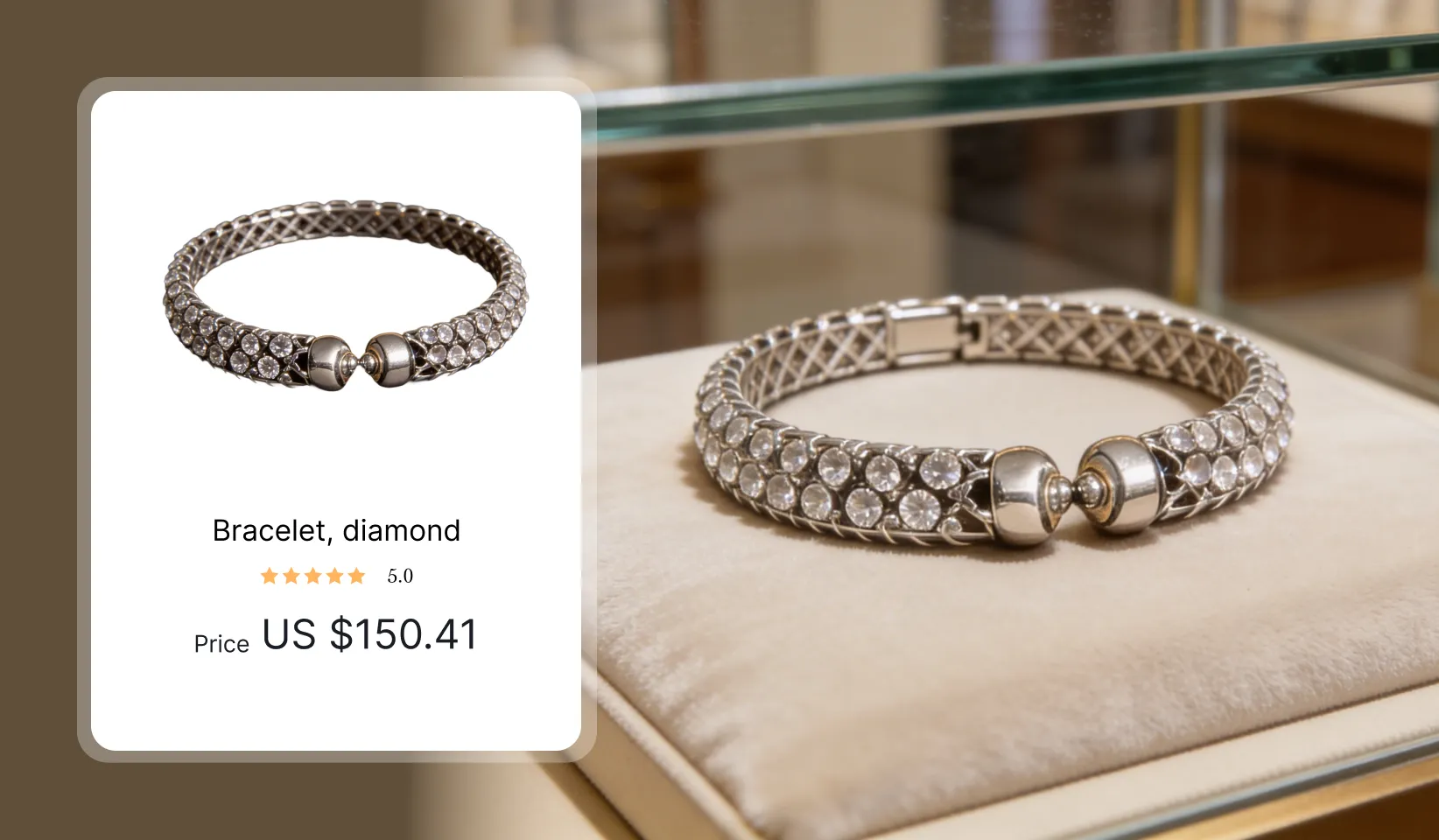
Jewelry photography makes or breaks online sales. Customers cannot hold pieces, so your photos do all the convincing.
Shoot on white backgrounds for clean product images. Add lifestyle shots showing pieces on models or styled with outfits. Capture details – close-ups of clasps, textures, stone settings. Video adds another dimension – short clips showing jewelry from multiple angles work well on Instagram Reels and TikTok.

Build your ecommerce store
Your online store is your home base. Choose a platform that handles jewelry well – good product pages with multiple images, inventory tracking, and secure checkout.
Product descriptions balance information with appeal – include materials, dimensions, and care instructions, but also describe how pieces look and feel. Make sizing information crystal clear for rings and bracelets.
Your site also needs an About page, FAQ, shipping and return policies, and customer reviews. Established stores acquired through Sellvia Market come with all of this already in place.

Market your jewelry brand
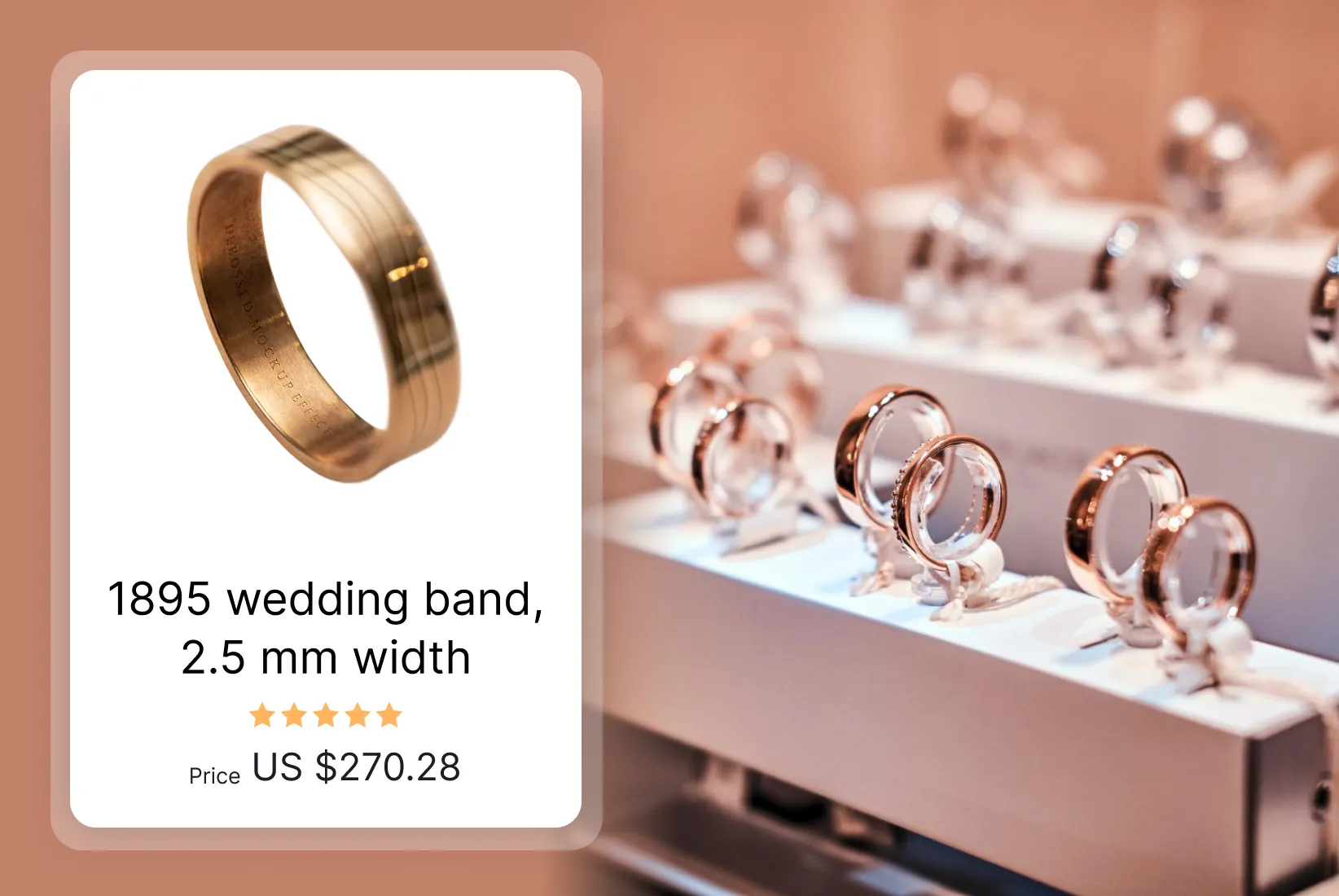
Instagram and Pinterest are visual platforms perfect for jewelry. Post products styled in different ways, share behind-the-scenes content, and show customer photos. Consistency matters more than volume.
TikTok and Instagram Reels work well if you show personality – your design process, inspiration, what running a small jewelry business looks like. Working with micro-influencers puts your jewelry in front of established audiences. Every Sellvia Market buyer gets a dedicated growth manager to help guide marketing strategy from day one.

Scale your business
Growth happens by doing more of what works. As sales increase, you will hit limits on production, photography, packing, and shipping.
Automation helps enormously. Email sequences handle customer follow-ups and abandoned cart reminders automatically. Inventory systems track stock and alert you when reorders are needed.
Do not rely on a single sales channel. If Instagram drives traffic, invest more there. If email converts well, build your list. Selling internationally opens larger markets – for jewelry especially, small and light packages with solid margins make cross-border shipping work well.

The faster path: acquiring an established store
Building from scratch is one approach. But there is another that is gaining momentum – acquiring a jewelry store that already generates revenue.
Sellvia Market lists established jewelry businesses with verified sales history and complete financial transparency. You see exactly what a business generates before deciding to buy. Supplier relationships are in place, products are proven, and customers are already buying.
The installment plan makes entry genuinely accessible. Instead of one large upfront payment, you spread the cost over time while the store continues generating profit.
You skip months of setup and testing, and start with proven products and processes. You focus on growth from day one – not on building infrastructure that may or may not work.

Browse Sellvia Market verified jewelry store listings and find the business that fits your goals. Full payment or installment plan – the choice is yours.