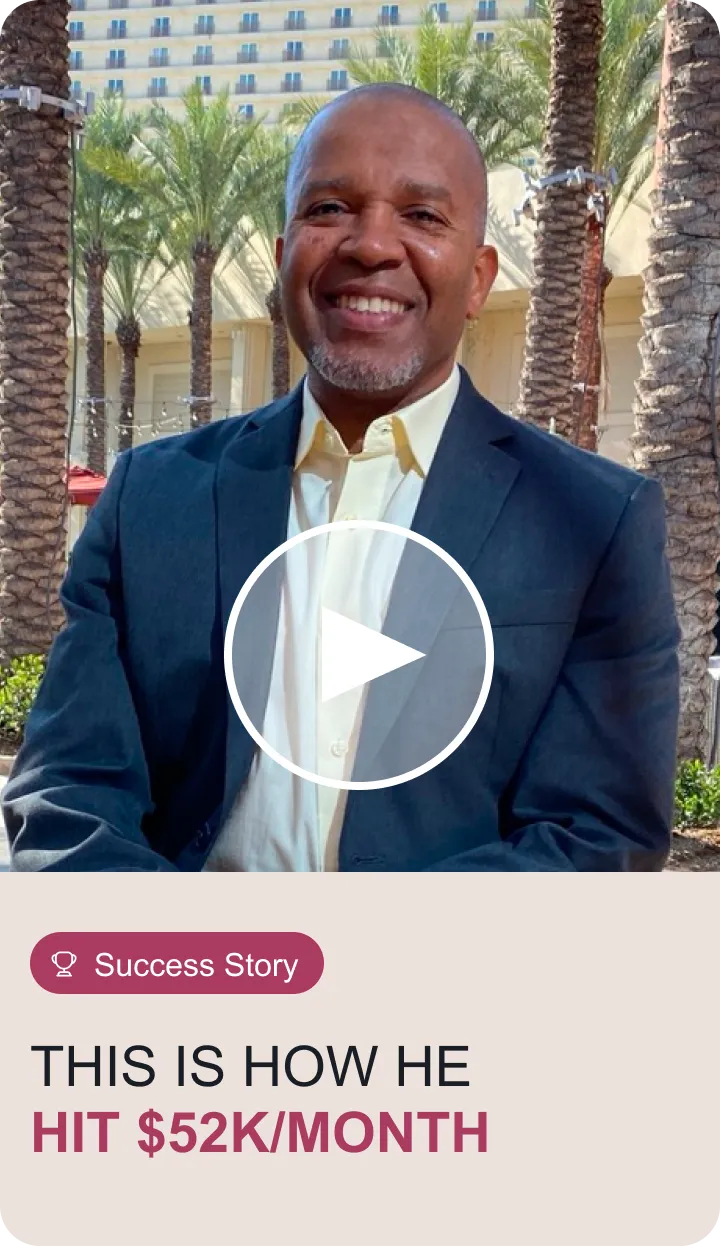
Meet Hassan
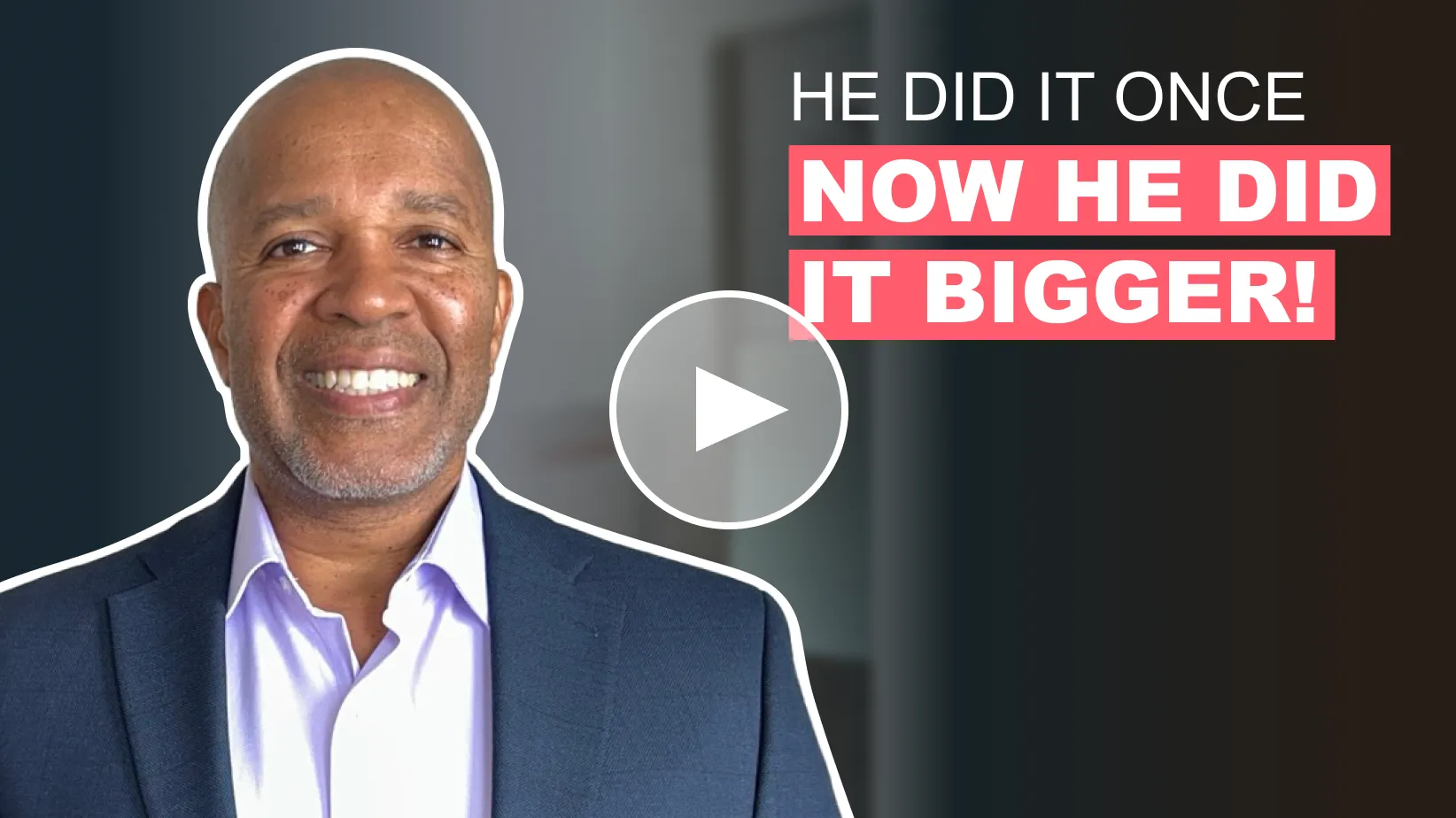
So, remember Hassan from Austin, Texas?
We’ve shared his story once before, and now he’s back with a brand-new chapter.
After trying countless online business ideas, he always felt like something was missing – until he discovered Sellvia and began earning $2,000 a week. What started out as another uncertain attempt quickly became a steady, reliable income stream.
But over time, even that success started to feel limiting. He hit a mental block that stopped him from growing any further.
Hassan called it his “ceiling,” and if you’ve ever started an online endeavour before, you know exactly what that feels like.
You start believing: “This is the most I can make.”, “Maybe I just don’t have what it takes to scale.”, etc.
Even if you want more, the brain convinces you that what you have is all you can realistically achieve.
That mindset stayed with Hassan for months.
He even told himself he should be satisfied because he was making more than some people ever do online. But deep down, he felt stuck.
As Hassan explained it, he attended a couple of events – a mix of local small-business meetups and a seminar at his coworking space. Nothing formal. Just people sharing what they were working on.
During one of those seminars he met Kaylee.
They didn’t talk numbers right away. They didn’t even talk about strategy. What they talked about was possibility. According to Hassan, the moment everything shifted was during a call they scheduled later. In that call, she told him something he wasn’t expecting: Sellvia was launching a new kind of premium store.
It was:
- A fully built ecommerce store
- Designed around one specific niche
- Optimized for fast conversions
- Pre-tested in real markets
- Structured so beginners could scale it with simple steps
Hassan realized his “limit” wasn’t real.
When Kaylee explained how the premium stores worked, Hassan was given one simple task: choose a niche. And honestly, the timing couldn’t have been better. The busiest shopping months of the entire year were just around the corner.
During this stretch people are actively searching for gifts, decorations, seasonal items, and anything that can make the holidays more exciting. Hassan knew this. He’d seen how families, including his own, spent freely during that period.
It felt like a door opening at exactly the right time.
The niche options were wide – kids’ clothing, sports gear, toys, fitness, yoga, and more. But one niche stood out immediately: Halloween.
Most people believe a niche has to be evergreen or extremely serious to be profitable. But for Hassan, this wasn’t about trends or strategy. It was personal.
Halloween was his kids’ favorite holiday. Every year, he bought new decorations, costumes, and themed accessories. He already understood the excitement families feel, the kind of items they search for, and how much people spend during this season.
Choosing Halloween felt natural. It wasn’t forced or analytical – it was instinctive. And that emotional connection mattered more than he realized. Later, when results were slow in the first few days, that personal attachment kept him motivated instead of discouraging him.
This is something beginners overlook all the time: you don’t need a “perfect” niche. You need one you can relate to – one that helps you understand your audience and stay engaged long enough to see results.
Within a week, something surprising happened. He opened his dashboard and saw consistent orders. Not one or two but order after order – every single day.
He hadn’t changed much. In fact, he said he only added “small touches” to the store:
- Modified a few descriptions
- Adjusted some images
- Added a couple of upsells
- Tweaked his ad copy just slightly
The real difference came from the structure the premium store already had.
Once traffic started flowing, the optimized pages did the heavy lifting. Customers saw products they wanted, the layout made sense, the buying process was simple, and the niche was specific enough to trigger impulse purchases.
Then momentum started building.
After those first consistent days, the store began growing steadily. This slow, stable growth is one of the most reliable signs that an ecommerce store has long-term potential.
It means:
- Customers trust the product line
- Ads are bringing the right audience
- The niche is clearly defined
- People are buying without hesitation
And when all of that aligns, scaling becomes almost automatic.
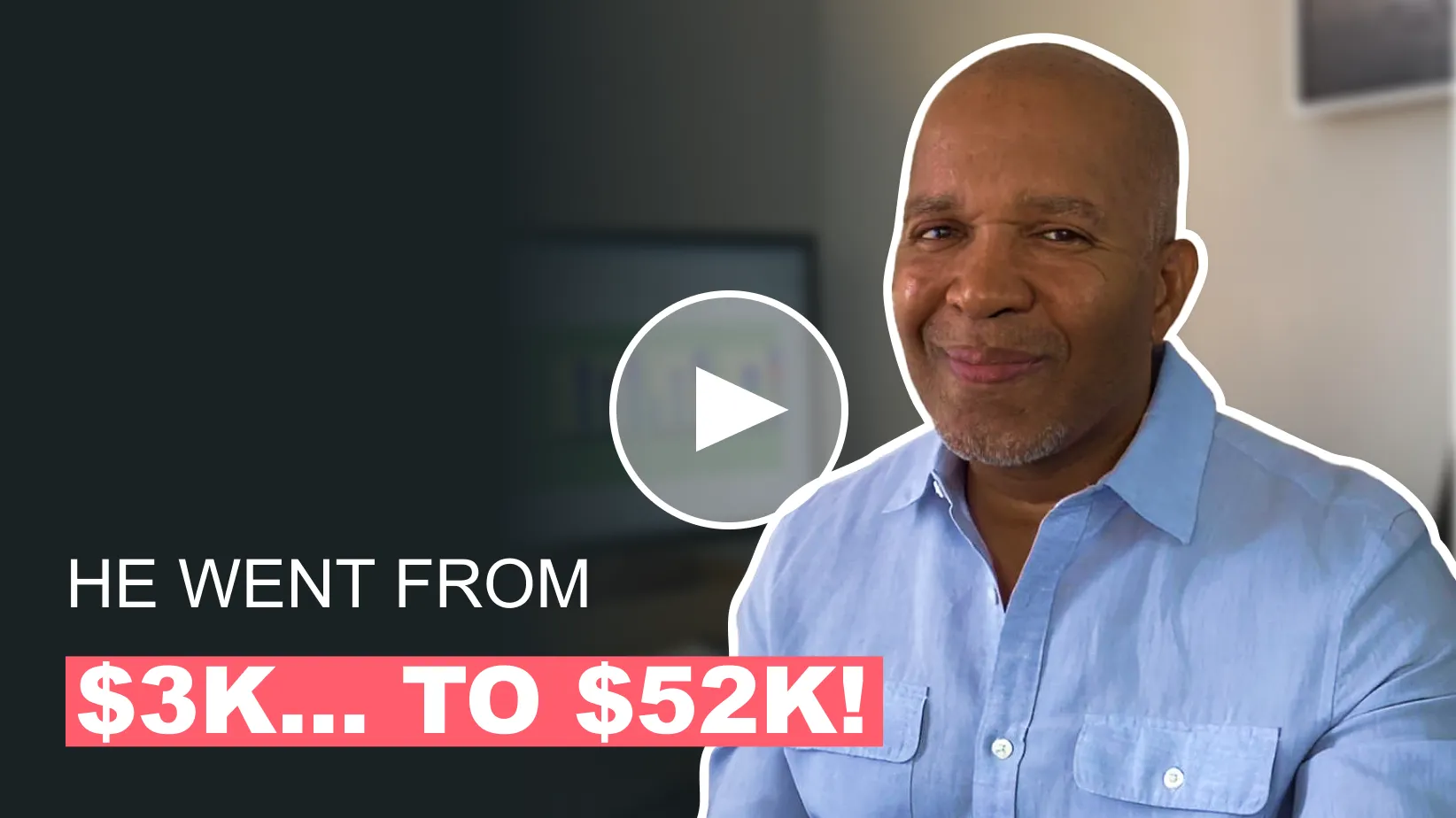
Hassan’s Halloween store eventually reached $47,000 per month. That number still surprises him because he thought he had already maxed out his potential at $3,000 in the past.
But the story doesn’t end there.
Remember Hassan’s old store? The one that used to bring between one and three thousand dollars a month?
That store now brings an additional $5,000 per month – consistently. This brings his total monthly revenue to $52,000.
You might be thinking:
“Good for him… but can I do the same?”
The short answer is yes. And here’s why.
Hassan didn’t start with:
- A huge budget
- A big team
- A special skill
- Technical knowledge
- Years of experience
He started with the same things most beginners have:
- A desire to make extra income
- Motivation to try something new
- A bit of fear
- A small budget
- A store that didn’t scale
- A belief that maybe he had reached his limit
His breakthrough wasn’t luck. It came from using a system built for beginners that removes unnecessary complexity.
This is exactly what Sellvia’s premium stores are designed for: giving people a way to start strong, without needing years of trial and error.
Many people try ecommerce thinking it requires huge budgets or advanced marketing skills. But most of the obstacles beginners face are self-created.
Let’s break down a few common mistakes and how Hassan avoided them.
- Mistake #1: Trying to build everything from scratch
Beginners often try to do product research, design, branding, ads, fulfillment, customer service, and technical setup on their own. It’s overwhelming. A ready-made structure removes 80% of this workload.
- Mistake #2: Giving up too quickly
The first few days rarely show the full potential of a store. Hassan waited and that patience allowed success to appear.
- Mistake #3: Thinking “more complicated” means “more successful”
His store scaled because it was simple. Clean pages, a tight niche, proven products, and straightforward marketing.
- Mistake #4: Believing income potential has a limit
This was the biggest mental block. When it disappeared, growth became possible.
- Mistake #5: Ignoring personal connection to a niche
His Halloween store worked partly because he understood the customer. He was the customer. That emotional connection made all the difference.
Hassan’s new chapter proves that ecommerce success doesn’t stop after your first win. Sometimes the second attempt becomes your biggest breakthrough.
With the right support, automation, and a system designed for beginners, Hassan finally built the confidence and skills that later helped him scale far beyond what he thought was possible.
And while you already know the outcome of his major breakthrough – the $47,000/month premium store, the $5,000/month revived niche store, and the $52,000 total income – this chapter is the reminder of how it all started.
Hassan is living proof that success doesn’t require luck, experience, or perfection. It requires: the right structure, the right support, and a system you trust.
For Hassan, that system was Sellvia. And it can be yours too.