Over 2.7 billion people shopped online in 2024 – and that number keeps climbing. If you have been wondering how to start an ecommerce business but kept putting it off because it felt too technical or too expensive, 2026 is the easiest year yet to get moving. The barrier to entry has never been lower, and the market has never been bigger.
Here is the honest version. You can launch a working online store in a single day. What takes longer – 60 to 90 days of steady effort – is getting traffic, making your first sales, and settling into a routine that earns you real income. This guide walks you through every step, from picking your approach to seeing your first order come in, without the fluff.
Quick Answer: To start an ecommerce business in 2026, pick a platform that gives you a ready store and products, turn on a simple advertising system to bring in visitors, and focus on the digital products that earn the best margins (50–70% per sale). You can start for free, skip all the setup headaches, and see your first orders within days – not months.
Before we dive in, one thing worth knowing up front. Starting an ecommerce business is not one big decision – it is a series of smaller ones that build on each other. The sections below cover each one in the order you will actually face them, so you can take this a step at a time.
What is an ecommerce business?
An ecommerce business is any business that sells products or services online. In plain English, that means you have a store on the internet, people visit it, and they buy things from you. The term covers everything from a solo seller with a simple online shop all the way up to giant retailers. What every ecommerce business shares is a digital storefront and an online way to get paid.
In 2026, ecommerce is not a side experiment anymore. Global ecommerce revenue is projected to top $6.8 trillion this year, according to Statista. And the tools that used to cost thousands of dollars and need a developer – store builders, payment systems, product catalogs – are now free or close to free for anyone with a phone or laptop.
Important note: You do not need to stock any products, rent storage space, or handle any physical logistics yourself. Modern platforms let you sell digital products that deliver instantly to the buyer. That is the easiest route for beginners, and the one most new store owners start with in 2026.
When you sell digital products – guides, courses, checklists, online tools – you keep 50–70% of every sale. There is no box to pack, no label to print, no carrier to deal with. When someone buys, the file or access link is delivered to them automatically, and the payment lands in your account.
How much can you realistically earn?
The income range for ecommerce is huge – from zero all the way up to millions per year. What matters for you is knowing where most beginners actually land, and what it takes to move up from there.
These figures show realistic monthly ranges after 60 to 90 days of consistent effort – not week-one results. A digital store with built-in ads is the fastest path to first revenue for most beginners, because the setup is done for you and orders can come in the same day you turn on ads.
One note on the top figures: the upper end of each row reflects established stores with steady traffic and proven products. New stores usually earn $30–$80 per day in the first couple of months. Reaching four figures per month is a realistic 90-day target for someone who puts in the work – not a week-one promise. Full-time effort means daily store checks, steady attention to what is selling, and small tweaks to your ads budget as you learn what works.
The method with the thinnest ceiling for casual effort is trying to grow purely with free social media posts – it can work, but it rewards creative output and a steady posting habit most beginners do not maintain. A digital store with a built-in advertising system gives you the best mix of low startup cost, fast first sales, and room to scale as you reinvest your earnings.
How to start an ecommerce business: Step by step
Here is the process broken down into the decisions you will actually face, in the order you will face them. Skip ahead if you have already completed a step – but do not skip the niche and product sections. They are the foundation everything else rests on.
Step 1 – Pick your path
Your first decision is how you will sell. The old way meant buying stock up front, storing it, and handling every physical order yourself – a slow, expensive start that put off most beginners. The modern way skips all of that. You sell digital products that your platform provides for you, and every order is delivered instantly and automatically.
For most people reading this, the digital-product route is the right starting point. It costs nothing to stock, nothing to ship, and you keep 50–70% of every sale. If you already have a skill or an audience, you can lean into that later – but do not let “finding the perfect idea” stop you from starting. The best approach is the one you will actually stick with long enough to see results.
Step 2 – Pick a niche
A niche is a focused product category or audience. “Self-improvement” is a market. “Budgeting guides for single parents” is a niche. The more specific you are, the easier it is to find your first customers, rank in search, and build a recognizable store.
Good niche signals to look for in 2026:
- Steady search demand (check Google Trends for a 12-month view)
- Digital products priced between $15 and $80 – low enough to feel like an easy yes, high enough to pay you a real profit
- A clear audience you can picture – mothers, retirees, new homeowners, side-hustlers
- A real problem the product solves – saving money, saving time, teaching a skill, reducing stress
Avoid niches that depend on one season of the year (holiday-only gift guides) if you want income all year round. And do not try to please everyone – “general self-help” will lose to “stress relief for nurses” every time.
Step 3 – Find your products
Once you know your niche, you need products to sell. This is where a ready-made platform saves you weeks of work. Instead of creating your own digital products from scratch, you can pull proven ones straight from a catalog that is already stocked and tested. Guides, courses, checklists, and online tools – all created for you, all ready to sell.
When evaluating a product, look at three things: how clearly it solves a problem, whether the topic matches what your niche audience actually searches for, and whether the price point feels fair for what the buyer gets. The most common mistake new store owners make is picking products they would buy – instead of products their audience would buy. Keep the focus on the reader, not on yourself.
Why this works in 2026: Digital products remove every old barrier to starting an online business. No waiting on carriers, no complaints about boxes arriving late, no supply-chain headaches – the buyer gets what they paid for within seconds of checkout.
Step 4 – Set up your online store
Your store is your main sales channel. The old way meant choosing between complicated platforms, configuring hosting, installing plugins, and spending your first weekend buried in tech tutorials. The easy way in 2026 is to start with a platform that builds the store for you and hands it over ready to sell.
A ready-to-go store comes with your domain, payment processing, a professional design, and your product catalog already loaded. You sign up, confirm your details, and your store is live the same day. Your job from that point is to drive traffic – not to wrestle with code.
Essential pieces every ecommerce store needs:
- A clean, mobile-friendly design (most of your visitors will be on a phone)
- Clear product pages that explain what the buyer gets
- A secure payment system that handles cards and major wallets
- A simple about page so buyers know who they are buying from
- A contact page in case someone has a question
Step 5 – Write product pages that convert
A product page has one job: turn a visitor into a buyer. The biggest mistake new store owners make is writing pages that sound like the product is talking – instead of pages that sound like the buyer is being understood. Address the buyer’s real concern (“will this actually help me?”), focus on what their life looks like after the purchase, and keep the wording simple.
For search visibility, work your main topic phrase naturally into the page title and the first couple of sentences. A title like “Beginner budgeting guide – build your first $1,000 emergency fund” performs far better in search than “Budgeting Guide #3.” Lead with the outcome the buyer wants, not the name of the product.
Step 6 – Drive traffic to your store
A store with no visitors makes no sales. Traffic is where most beginners underinvest, and it is the part that makes or breaks the whole business. You have three main options:
- Built-in advertising – the easiest path for beginners. A platform with a built-in ad system handles targeting, creative, and budget optimization for you. You set a daily spend of $10–$50, and the system does the rest. Most people who turn on ads see orders come in the same day.
- Social media – TikTok, Instagram, and Pinterest are the highest-leverage free platforms in 2026. Short videos showing how your product helps someone are the format that travels farthest. This route is free but slower.
- SEO and blog content – writing articles that answer questions your buyers type into Google. Slow to build (3–6 months to see steady traffic) but it keeps paying off for years after you publish.
Most successful store owners use a blend. Built-in ads bring in orders right away so you feel the progress. Social media builds recognition and trust. SEO compounds in the background. You do not need to do all three on day one – start with the one with the fastest feedback loop, which is almost always the built-in ad system.
Earning potential: $500–$3,000 per month within 90 days for a focused store running consistent ads and regular social content, based on typical beginner benchmarks shared in communities like r/ecommerce on Reddit.
Ecommerce approaches compared
Not sure which route fits you best? Here is a side-by-side look at four common approaches, so you can pick based on your situation.
A ready-made store with built-in ads is by far the fastest path to a first sale, because nothing is left for you to build from scratch. Building your own store gives you more control, but you pay for it in weeks of setup time and real dollars for domain, hosting, and themes before you have made a single sale.
Tips for growing your ecommerce store faster
Getting your store live is step one. Growing it into steady monthly income is a different challenge – and a more interesting one. These habits separate stores that plateau at a few sales per week from those that scale into full-time earnings.
Focus on one traffic channel first
New store owners often spread themselves across five platforms at once – ads, TikTok, Instagram, Pinterest, and SEO all on day one. The result is mediocre effort on five channels instead of real traction on one. Pick the channel where your audience actually spends time and go deep on it for at least 60 days before you add a second.
Collect emails from day one
Email is one of the highest-return marketing channels in online selling – it regularly outperforms social posts and paid ads per contact. Set up a simple welcome sequence of three to five emails introducing your store and your best products, plus a reminder message for visitors who add something to their cart but do not finish checkout. Most basic email tools have free tiers that cover early-stage stores.
Test what sells, drop what does not
Most products you feature will not be winners. That is normal. The stores that scale are the ones that rotate their top-promoted items every month, find the two or three that convert well, and then put more advertising behind those. Do not get attached to a product that is not earning – move on and try the next one.
Design for mobile first
Over 70% of online shopping traffic comes from phones. If your store is hard to use on a small screen – slow loads, buttons too small to tap, a checkout that makes people squint – you are losing sales you already paid to bring in. Check your store on your own phone before launch and after every change you make.
Show real trust signals
A first-time buyer from a store they have never heard of needs a reason to trust you. Add real customer reviews as they come in (even five to ten genuine ones make a difference), a clear refund policy, visible contact details, and trust badges near the checkout button. These small touches turn more visitors into buyers than most beginners expect.
Legal and ethical considerations when you start an ecommerce business
An online store is a real business – and that means real responsibilities. Most beginners skip this section. Do not be most beginners. Handling the basics up front saves you from painful surprises later.
Registration and taxes
In the US, registering an LLC costs $50–$500 depending on your state, and it protects your personal money from anything that goes sideways with the business. You will also need to understand your sales tax obligations – most states now expect online sellers to collect sales tax once revenue crosses a certain threshold. A simple sales tax tool automates this once you start earning regularly.
Outside the US, the rules vary. UK sellers register with HMRC once revenue passes £1,000 per year. EU sellers follow VAT rules across member countries. Check your local requirements before your first sale, not after.
Product rights and accuracy
Do not use brand names, logos, or copyrighted designs you do not have rights to. Do not claim credentials you do not have. Do not promise a result your product cannot deliver. These are not edge cases – they are common mistakes that lead to platform bans, legal notices, and in some cases personal liability.
Key principle: If something looks like an easy shortcut that too-good-to-be-true, it almost always costs you more later than whatever you saved up front. Build on honest ground.
Consumer protection and transparency
Your store needs a privacy policy (required under GDPR for EU customers and CCPA for California shoppers), a clear description of what each product delivers, and an honest refund process you will actually honor. Do not describe a beginner guide as an “advanced masterclass” and do not promise results that depend on things outside the buyer’s control.
Important: FTC guidelines in the US require that any paid endorsement or affiliate relationship be disclosed. If someone promotes your product in exchange for a commission, that relationship must be clear to their audience.
Which ecommerce path is right for you?
The best way to start an ecommerce business depends on where you are starting from. Here is a plain breakdown by reader profile.
Complete beginner with no budget
Start with a ready-made digital store. Zero cost to set up, no products to buy, and platforms like Sellvia handle the whole supply side for you. Your job in the first 60 days is to pick a focused niche, learn how your audience searches for help, and get your first visitors. Expect to invest more time than money – one to two hours per day is enough to get moving.
Part-time seller with some budget
If you have $200–$500 set aside, turn on the built-in ad system as soon as your store is live. At $10–$30 per day, you will start seeing which products actually convert within the first week or two. Use the early profits to reinvest into more ads on the products that are earning – this is how beginners turn small budgets into steady income without risking money they cannot afford to lose.
Full-time goal within 6 months
Treat this as a real business from day one. Register your LLC, set up simple bookkeeping, put a daily ad budget in the $30–$50 range, and commit to showing up every day for the first 90 days. The store owners who reach full-time income within six months are almost always the ones who keep a daily routine, track their numbers, and make small improvements each week.
The ecommerce market will not get less competitive over time – but the tools available to beginners keep getting better. The people who start now, learn the fundamentals, and stay consistent are the ones who will have established income streams while everyone else is still deciding whether to begin.
Why Sellvia is a game-changer for your online store 🚀
Sellvia isn’t just another ecommerce tool. We are a trusted name in the industry, recognized by Forbes and even ranked in Inc.’s list of the 5,000 fastest-growing companies in the U.S. So if you’re serious about starting as a solopreneur, this is a smart place to begin.
Starting an online business can feel overwhelming, but that’s exactly where Sellvia steps in. It takes care of the tricky parts, so you can focus on making sales and growing your brand. Let’s break down what makes it such a great choice.
Get a ready-to-go store hassle-free 🎯
Want to start selling but don’t know where to begin? No worries! Just share your ideas, and Sellvia’s team will build a free ecommerce website that’s fully set up and ready to take orders from day one. No coding, no stress – just a store that works right out of the box.
A $100 welcome gift to grow your business faster 🎁
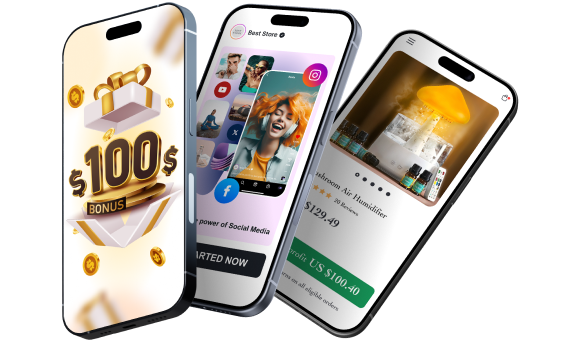
Starting a business takes momentum – and Sellvia gives you a head start. When you claim your free store today, you also get a $100 welcome gift to put toward growing your business. Use it to upgrade your store, boost your marketing, or unlock new tools. It is a real dollar value, handed to you on day one, with no catch and no hoops to jump through.
A massive catalog of digital products to sell 🏆
One of the biggest struggles in starting an online business is figuring out what to sell. Sellvia solves that completely. Your store comes pre-loaded with digital products – guides, courses, checklists, and tools – all created by Sellvia. You keep 50–70% of every sale. No inventory. No shipping. No logistics headaches.
Everything in one easy-to-use platform 🔥
Managing an online store shouldn’t be complicated. With Sellvia, you can handle orders, add new products, and even chat with customers – all from a simple and user-friendly platform. No need to mess with confusing tools or deal with unnecessary tech stuff. It’s all smooth sailing.
No upfront costs, just start selling 💰
A big reason people hesitate to start an online business is the cost. But here’s the good news: With Sellvia, you don’t need to invest in stock, storage, or shipping supplies. You can run your store with no upfront costs, keeping things low-risk while still making money.
Support that’s always got your back 🤝
Running a business comes with questions, but you’re never alone. Sellvia’s dedicated support team is available 24/7 to help with anything you need. Whether it’s a small question or a big challenge, they’ve got you covered.
Learning how to start an ecommerce business does not have to mean months of setup, technical headaches, or upfront costs. Get your free turnkey store from Sellvia and start selling today.
How to start an ecommerce business with no money?
What is the easiest ecommerce business to start in 2026?
Selling digital products through a ready made platform is the easiest ecommerce business model to start in 2026. It requires no physical goods and no product creation work, because the platform provides the catalog and handles instant delivery automatically. Sellvia connects your store to a full library of digital products and a built in advertising system that runs your traffic for you. Most beginners can have a functional store live within a single day. This approach suits anyone without tech experience, since every moving part is handled for you behind the scenes.
How long does it take to start an ecommerce business?
You can technically launch a basic ecommerce store in a single day using a ready made platform. However, making consistent sales typically takes 30 to 90 days of steady effort, which includes picking your niche, learning what converts, and letting your traffic source build up. With a built in ad system you can see first orders on the same day you turn it on, which is much faster than waiting months for organic traffic to arrive. Free social media and search traffic usually take 3 to 6 months to produce meaningful volume, so paid traffic is the fastest path for most beginners.
How much does it cost to start an ecommerce business?
Startup costs depend entirely on the path you choose. A ready made digital store can be launched for 0 dollars using a free trial offer, which already covers everything from design to the product catalog. If you turn on the built in advertising system, a comfortable starter budget is 10 to 50 dollars per day. Building a store from scratch costs significantly more, often 200 to 500 dollars for the first month once you factor in domain, hosting, themes, and tools. Digital products have no stock costs, so your money goes entirely toward bringing in visitors rather than buying goods.
Is starting an ecommerce business worth it in 2026?
Ecommerce remains one of the most accessible ways to build an independent income in 2026. Online retail continues to grow, and the tools available to solo sellers have never been more capable or affordable. That said, results are not automatic. Stores that earn consistent revenue are built by people who treat ecommerce as a real business: testing different products, paying attention to what converts, and improving the customer experience over time. Most beginners who quit do so within the first 60 days, before their traffic and trust signals have had time to build. Patience and a realistic timeline are the two most underrated factors.